Denmark Approves U.S. Security Agreement in Greenland
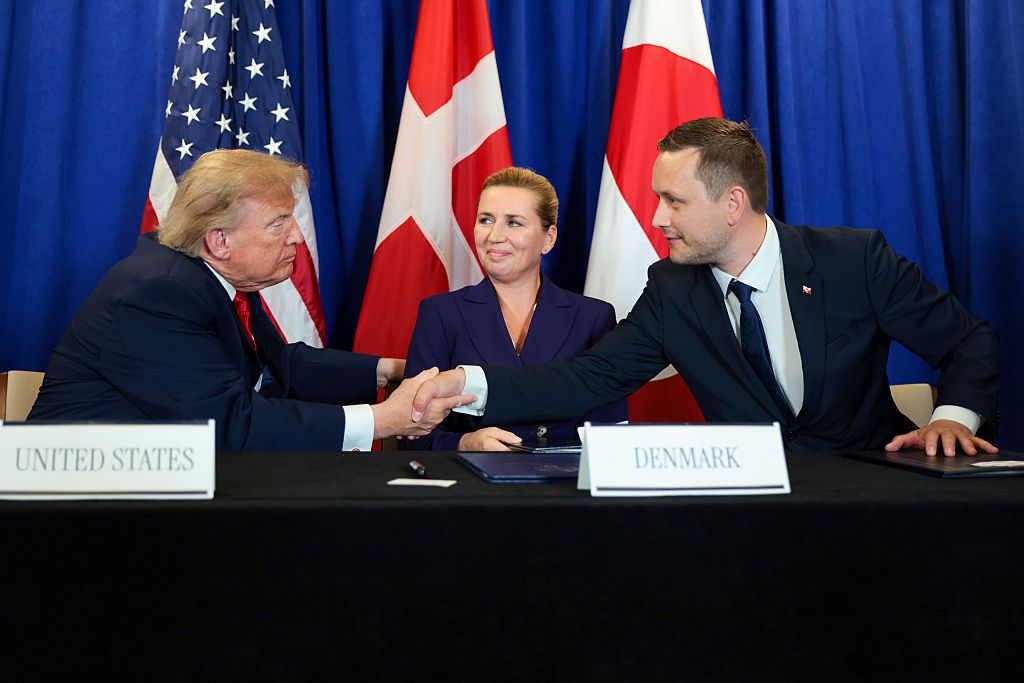
Denmark’s parliament has approved a significant security agreement involving the United States and Greenland. This decision came after a decisive vote in the Folketing on Thursday, clearing the last parliamentary hurdle for the agreement. The deal significantly increases America’s military presence in the Arctic area.
The agreement, signed in September by President Donald Trump, Danish Prime Minister Mette Frederiksen, and Greenland’s Prime Minister Jens-Frederik Nielsen, followed a period of diplomatic challenges due to the president’s prior attempts to acquire Greenland.
Key Components
Under the new agreement, the U.S. will be allowed to build new military facilities in Narsarsuaq, southern Greenland, and Mestersvig in the northeast. It also includes the expansion of operations at the existing Pituffik Space Base.
The deal enhances Washington’s role in Greenland’s security but does not shift sovereignty, keeping Greenland as a self-governing part of the Kingdom of Denmark. It acknowledges the right of Greenlanders to self-determination, with a notable clause that any future independent Greenlandic state must remain within NATO and uphold existing defense commitments.
This arrangement, lacking a set expiration date, requires mutual consent for any changes. It grants the U.S. input on foreign investments in Greenland, preventing non-NATO countries from establishing military presence without the approval of all three governments.
Resolving Diplomatic Strains
President Trump has argued for U.S. control over Greenland, considering it vital for national security, and has previously entertained the idea of military or economic actions to secure the territory. These statements stoked tensions with Denmark, a fellow NATO member, and caused concern among European allies regarding NATO’s future.
Danish authorities presented the September agreement as a means to bolster Arctic security while maintaining Danish sovereignty. Prime Minister Frederiksen emphasized that the deal respects the sovereignty of the Kingdom of Denmark and the right of Greenlanders to self-determination.
Prime Minister Nielsen welcomed the agreement, highlighting its recognition of Greenland’s political rights. “The agreement recognizes that we are a people with the right to self-determination,” he stated.
Greenland’s parliament approved the agreement on November 3, with 16 supporting votes and no opposition, although seven members abstained due to concerns over its long-term implications. During discussions, Greenlandic Foreign Minister Múte Egede cautioned against assuming that peace and stability are guaranteed.
Opposition leader Pele Broberg voiced concerns over the financial benefits to a potentially independent state, querying what Greenland stands to gain financially under the agreement.
In Copenhagen, Danish Foreign Minister Lars Løkke Rasmussen submitted the deal for parliamentary approval on October 22. It gained substantial backing during its initial reading on November 12, subsequently reviewed by the Folketing’s foreign affairs and defense committee.
After Denmark’s parliamentary consent, the agreement will be effective upon Denmark notifying the U.S. that necessary procedures have been concluded in both Denmark and Greenland.