Denver’s Innovative Approach to Building Energy Using Geothermal and Sewer Heat
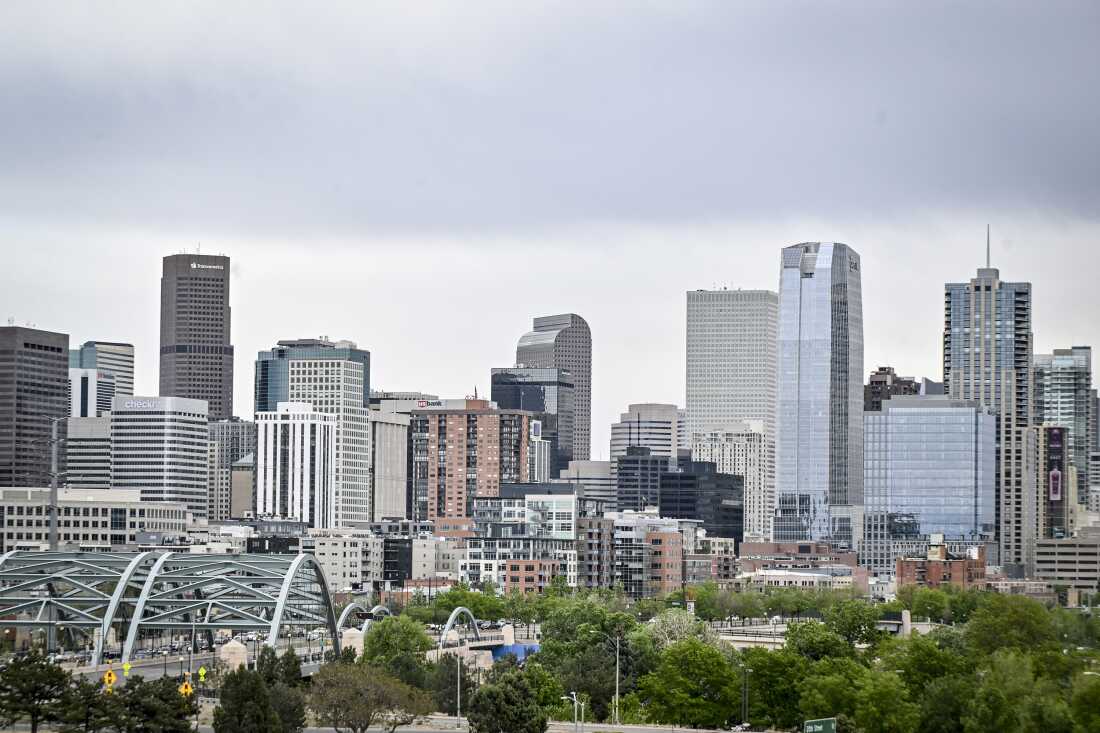
Denver plans to heat and cool a cluster of downtown buildings with a sustainable system using water, geothermal energy, and heat from sewage. This initiative is part of a broader effort by communities across the nation to address climate change amidst political challenges.
Greener Solutions for Denver’s Buildings
Buildings in Denver significantly contribute to climate pollution due to the use of fossil fuels for powering, heating, and cooling. To counter this, Denver is implementing a pilot thermal energy network to service several large downtown buildings. This approach uses water, geothermal energy, and heat extracted from sewage.
The Cherokee Boiler House and the Ambient Loop
The Cherokee Boiler House, located near downtown, plays a pivotal role in the city’s energy overhaul. Originally a natural gas-powered steam system, this facility will evolve into a hub for managing Denver’s new heating and cooling network, termed the “ambient loop.” The plan involves repurposing existing infrastructure for a more efficient and environmentally friendly system.
The ambient loop connects over a hundred downtown buildings through underground water-filled pipes. These pipes circulate water to transfer heat using water-source heat pumps installed in each building. This method allows buildings to share excess heat, improving efficiency and reducing greenhouse emissions.
Funding and Cost Efficiency
Building the ambient loop is estimated to cost between $280 million and $320 million over the next decade, funded through city dollars and a state grant. Despite the upfront investment, this system is projected to be up to 75% cheaper than other decarbonization methods, according to a 2025 feasibility report.
Geothermal and Sewage Heat: Untapped Energy Sources
To maintain the necessary water temperature as more buildings join the loop, Denver plans to harness geothermal energy. Geothermal boreholes drilled beneath downtown parking lots will provide continuous energy from beneath the earth’s surface.
In addition to geothermal energy, the city will tap into heat from sewage. Warm wastewater, abundant in thermal energy, offers a unique opportunity to support the ambient loop. By placing heat exchangers inside major sewage lines, Denver can capture and repurpose this heat, solving environmental concerns and providing a potential revenue stream.
Scaling and Future Prospects
The project starts with a micro version of the loop in two buildings, intending to expand to nine buildings by 2030. If successful, this model could extend to thousands of other downtown buildings, demonstrating scalable potential for other cities aiming to decarbonize urban cores.