Deported Mother Denied Return to U.S. for Daughter’s Treatment
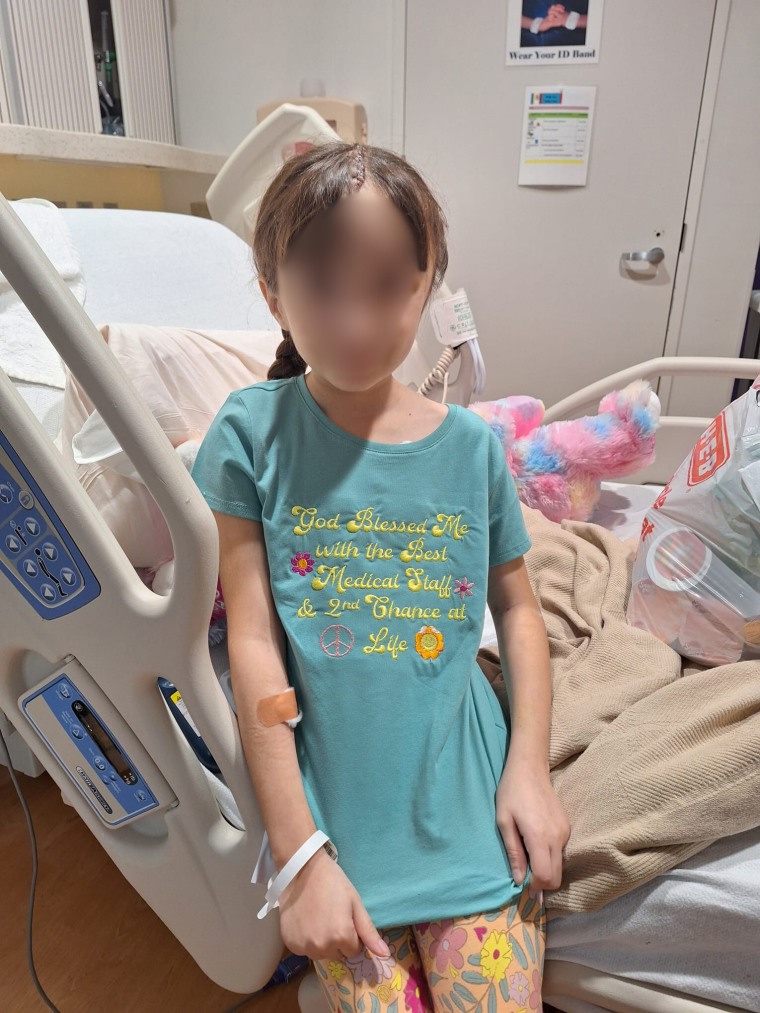
The mother of a U.S. citizen child recently faced disappointment when her humanitarian request to return to the United States was denied. She had hoped to continue her daughter’s specialized medical treatment for a rare brain tumor in the U.S., following more than 10 months of waiting.
Speaking from Mexico, she expressed frustration over the decision. “It felt like a bucket of boiling water — or maybe cold water, I don’t even know — was thrown at me,” she said in Spanish.
Family’s Journey and Medical Challenges
The girl was 10 years old when immigration authorities deported her undocumented parents to Mexico over a year ago. The child, along with her four siblings, also moved to Mexico with their parents. The family’s names are withheld due to safety concerns in their current location.
The deportation disrupted lifesaving treatment in the U.S. following the girl’s emergency surgery in 2024 to remove the brain tumor. Now 12 years old, her health has significantly worsened since the move to Mexico, her mother explained in an interview.
Last month, her daughter experienced a severe seizure, leading to a rushed hospital visit two and a half hours away. The MRI and tests indicated abnormal results, and her U.S. doctors informed her mother that the girl’s brain was not regenerating, hindering recovery and increasing tumor risks.
Health Decline and Living Conditions
The girl suffers from frequent muscle spasms, especially in her partially paralyzed right arm, causing intense pain that affects her sleep. Dizziness and headaches are now common.
According to her mother, the denial letters for her humanitarian request, as well as those for her husband and one noncitizen sibling, provided no explanation. U.S. Citizenship and Immigration Services indicated ICE handles parole for previously deported people, but ICE did not comment.
“As a parent, I want to move heaven and earth to help her,” the mother said, expressing stress over the news of her daughter’s deteriorating health.
Attempts to Seek Medical Help
The mother has struggled to find a medical provider in Mexico willing to take her daughter’s case due to concerns about understanding the girl’s medical history. Moreover, due to the girl’s condition, she cannot travel by plane.
Her daughter was dependent on a team of U.S. therapists that the family cannot access in Mexico. Consequently, skills regained after surgery, such as writing and memory, have regressed, leaving her with the cognitive functions of a 7- or 8-year-old, the mother said.
The mother, a former rehab technician and certified nursing assistant, uses her training to assist her daughter, but lacks resources like specialized equipment and emergency care options.
Support and Advocacy for the Family
The eldest son, a U.S. citizen, stayed in the country and helps his sister by sending anti-seizure medication. He attended the State of the Union address as a guest of Rep. Adriano Espaillat, who supported the family’s applications for humanitarian parole.
Following denial of the applications, the son collaborates with the Texas Civil Rights Project to continue advocating for their return.
Increasing Denials of Humanitarian Parole
NBC News reports an increase in denials of humanitarian parole applications during President Trump’s second term. From January to September 2025, about 14,500 applications were denied, compared to 5,122 refusals during the last year of Biden’s administration.
Currently, 32,013 humanitarian parole applications are pending, with waiting times averaging between six and 15 months. USCIS noted it aims to limit abuse of humanitarian parole authority and restore its intended case-by-case use.
In Mexico, the girl has celebrated two birthdays away from the care she received in the U.S. Her mother finds these milestones bittersweet, acknowledging the progress made and the limitations faced.