Devastating Floods in Nepal: Recovery Efforts and Challenges
The town of Bidur in Nepal’s Nuwakot district is struggling with the aftermath of catastrophic floods. The overpowering smell of death diminishes hopes for finding more survivors. Workers in protective suits are unloading bodies from ambulances and laying them on tarps in designated sections. Helicopters, usually serving commercial tours, are now engaged in rescue operations, transporting aid and returning with individuals needing medical help.
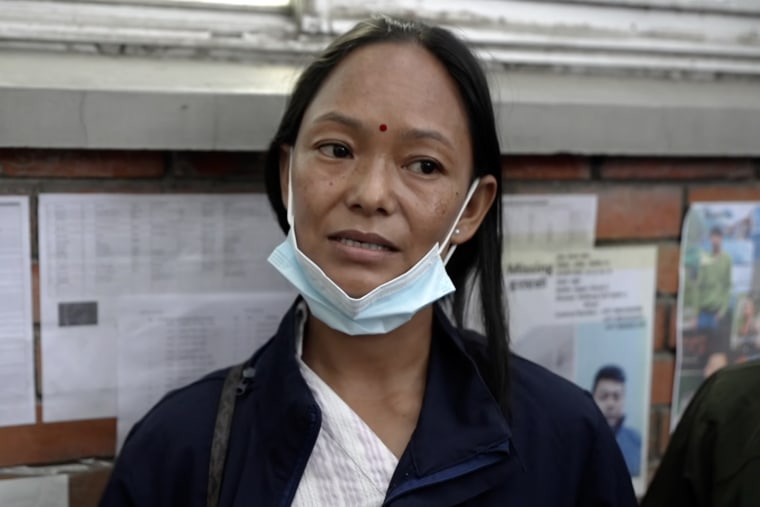
Kalpana Shrestha, a nurse based in Kathmandu, is in distress, as ten family members, including her sisters and their children, have gone missing. Despite extensive efforts to share information and photographs on various media platforms, there has been no communication about their whereabouts. Her hometown, Betrawati, some 60 miles from the capital, suffered massive destruction due to the floods. Shrestha expresses frustration, feeling mentally exhausted, yet continues her search efforts.
The disaster’s scale is vast, with over 1,000 people confirmed dead, as reported by Nepal’s National Disaster Risk Reduction and Management Authority. More than 3,915 are unaccounted for, including at least 583 foreigners. In Tibet, the situation is similarly grim, with 16 deaths and 546 missing, according to CGTN, China’s English-language news channel. Among the missing in Nepal are at least 80 Americans. Rescue operations have succeeded in saving more than 10,000 people, including 252 foreigners, according to the United Nations.
This catastrophe, sparked by a glacier collapse and landslide near Nepal’s border with China, is deemed Nepal’s most lethal natural disaster since the April 2015 earthquake that claimed around 9,000 lives. Road access remains the most significant barrier to rescue and aid efforts, with passages only open up to Nuwakot. The highway sections linking Kathmandu with severely affected areas are still blocked, hindering relief efforts.
The retrieval and identification of bodies are being handled by multiple hospitals across various districts, as noted by Nepal’s disaster agency. In certain instances, bodies are interred temporarily to avoid infection, awaiting identification before being returned to families. Nabin Karki, a superintendent of police, described to NBC News the process of collecting DNA samples and using photographs of recovered bodies to aid identification. Relatives of the missing provide blood samples for DNA matching, and if identified, the remains can be returned to the family for a funeral ceremony.