Diplomacy and Ceasefires Amid Ukraine Conflict
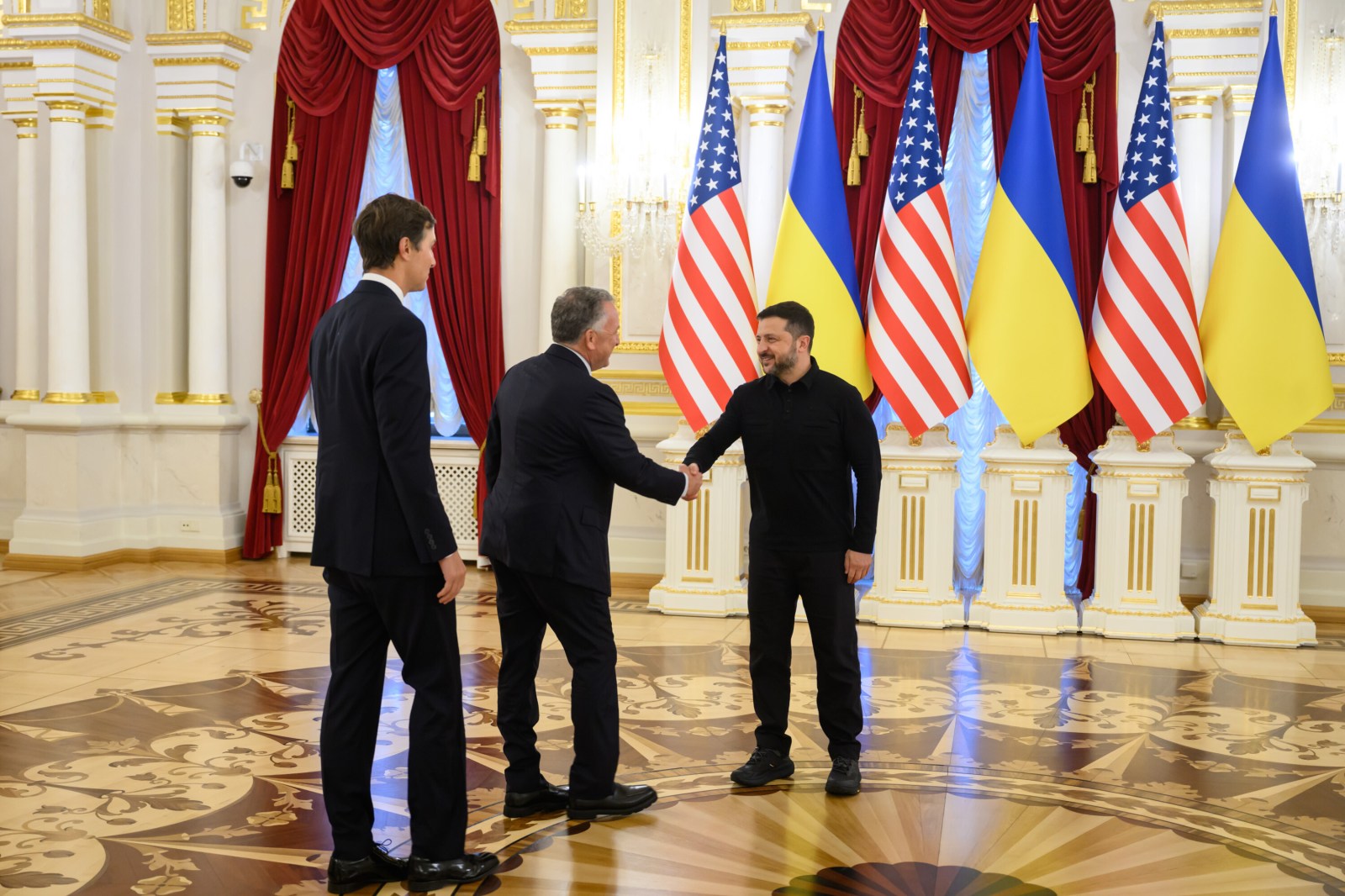
Steve Witkoff’s diplomatic efforts have stirred reactions, particularly in Ukraine. During a meeting with President Vladimir Putin at the Kremlin, Donald Trump’s special envoy expressed his gratitude for Putin’s reception of both him and Jared Kushner. Witkoff’s remarks highlighted the significance of their meeting. “When we retire, we’ll have all these incredible stories and memories, and yours will be right at the top,” Witkoff reportedly told Putin.
Witkoff’s choice of language in negotiations aimed at resolving the conflict that has caused extensive loss and displacement in Ukraine provoked mixed feelings. Ongoing Russian military progress on the front line, alongside drone incursions into Ukraine, suggests Kyiv might need more of Witkoff’s flattering diplomacy in the coming months.
Efforts and Achievements
The recent diplomatic activities yielded limited progress toward a peace deal. Witkoff and Kushner spent three hours at the Kremlin before proceeding to Kyiv. Nevertheless, one significant outcome for Ukrainians was a temporary pause in hostilities surrounding Kyiv. Although not a full ceasefire, Putin ordered a temporary cessation of attacks on Kyiv during their visit, with Ukraine reciprocating by not targeting Moscow.
President Zelensky expressed appreciation, jokingly suggesting the envoys’ presence had been more effective than Ukraine’s Patriot defense systems. While only partly serious, his comments reflect the immense pressure Kyiv faces from increasing drone attacks. Ukrainian Air Force data indicate a significant rise in drone deployments, from 350 in June to over 2,800 in August, with a decreasing interception rate of only about 60% compared to higher success against conventional drones.
Diplomacy and Defensive Measures
Zelensky disclosed that 67 Ukrainian firms are working on new air defense systems. Still, he hopes diplomacy, aided by Witkoff and Kushner, will yield results. “Plan A” focuses on enhancing diplomatic efforts to curb Russian aggression, while air defense advancements form “Plan B.” Each peaceful interval is a respite from attacks on Ukrainian soil.
Ongoing Diplomatic Challenges
Despite Witkoff’s flattering efforts, changing Russia’s terms remains challenging. Putin aide Yuri Ushakov characterized the recent talks as “useful” and “extremely frank” but reiterated Russia’s unwavering military objectives. In June 2024, Putin outlined his terms, including Ukrainian withdrawal from specific regions, declarations of neutrality, and acceptance of Russia’s territorial claims. Ushakov’s remarks suggested no deviation from these conditions.
Trump’s envoys face challenges with the current negotiation format, often limiting their role to that of messengers between Moscow and Kyiv. Kushner, acknowledging this, advocated for trilateral talks to restore direct dialogue among the parties.
Witkoff’s visits to Moscow have been frequent, yet Sunday marked his first trip to Kyiv. Without substantive progress, their role could diminish to mere intermediaries, repeating Moscow’s narrative to Kyiv, potentially favoring Russian interests.
Incremental Progress
While Witkoff and Kushner have not achieved a breakthrough, the possibility of regular pauses in hostilities is worthwhile. Habitual ceasefires, even for diplomatic visits, set precedents for future restraint. Although far short of peace, repeated temporary ceasefires may provide a foundation to further build upon.
As Witkoff’s diplomatic strategies continue, Ukrainians need not approve of the approach; what matters is its potential to yield results.