Dispute Over Witness List Highlights Lindsay Clancy Murder Trial
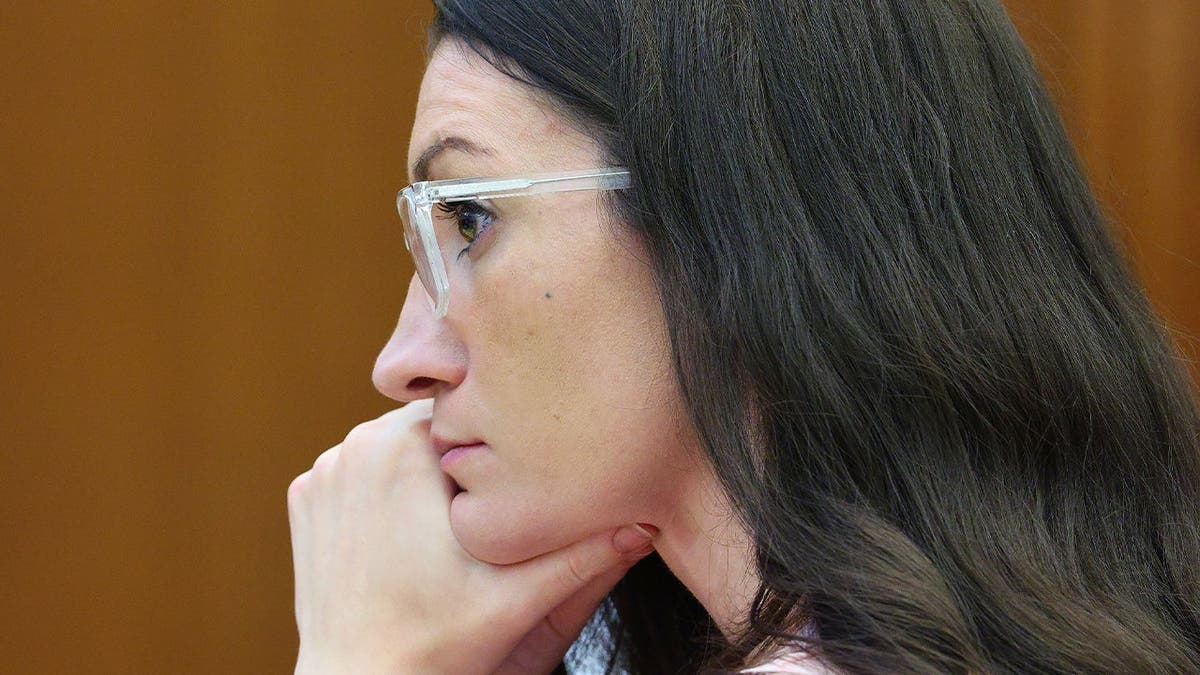
The murder trial of Lindsay Clancy, who faces charges for the deaths of her three children, began with a dispute at its core involving a TikTok video. The defense requested a former staff member of a mental hospital be added to the witness list. This former worker had publicly claimed inaccuracies in the portrayal of the psychiatric facility where Clancy was treated before the tragic event occurred.
Defense attorney Kevin Reddington asked the court to consider adding Emily Thorndike, a former clinical social worker from McLean, to the witness list. Reddington argued her experience on the same hospital unit could challenge what he described as an inaccurate depiction of McLean Hospital as overflowing with treatment options that Clancy reportedly declined.
“Her involvement in this case came about after one of the prosecutors… made it out on direct examination that McLean is some kind of a five-star institution,” Reddington explained during the trial.
Lindsay Clancy stands accused of first-degree murder for the deaths of 5-year-old Cora, 3-year-old Dawson, and 8-month-old Callan. Her attorney points to the social media post by Thorndike, which criticized the claims made about the facility’s treatment levels.
Prosecutors contend that Thorndike lacks firsthand knowledge of Clancy’s exact treatment, as she left McLean a year before Clancy’s admission. They argue that she had followed the trial online and aired her views through social media platforms.
The presiding Judge William Sullivan was skeptical about involving Thorndike, uncertain whether the trial should focus on the hospital’s reputation. “This is not Tripadvisor,” Sullivan noted, showing reluctance to turn the courtroom into a debate over the facility’s ratings.
The court heard messages sent by Clancy to her psychiatric nurse, Rebecca Jollotta, demonstrating her mental health struggles in late 2022. Clancy described her severe depression, insomnia, and intrusive thoughts, seeking changes to her medication.
Messages from November and December reveal Clancy’s battle with mental health issues, feelings of hopelessness, and requests for help with intrusive thoughts. Jollotta noted these messages as signs of depression without immediate suicidal tendencies, guiding her treatment decisions.
The trial continues to explore the implications of Clancy’s mental state and the adequacy of psychiatric care she received in the weeks leading up to the children’s deaths.