Dogs and Their Impact on Anxiety Relief
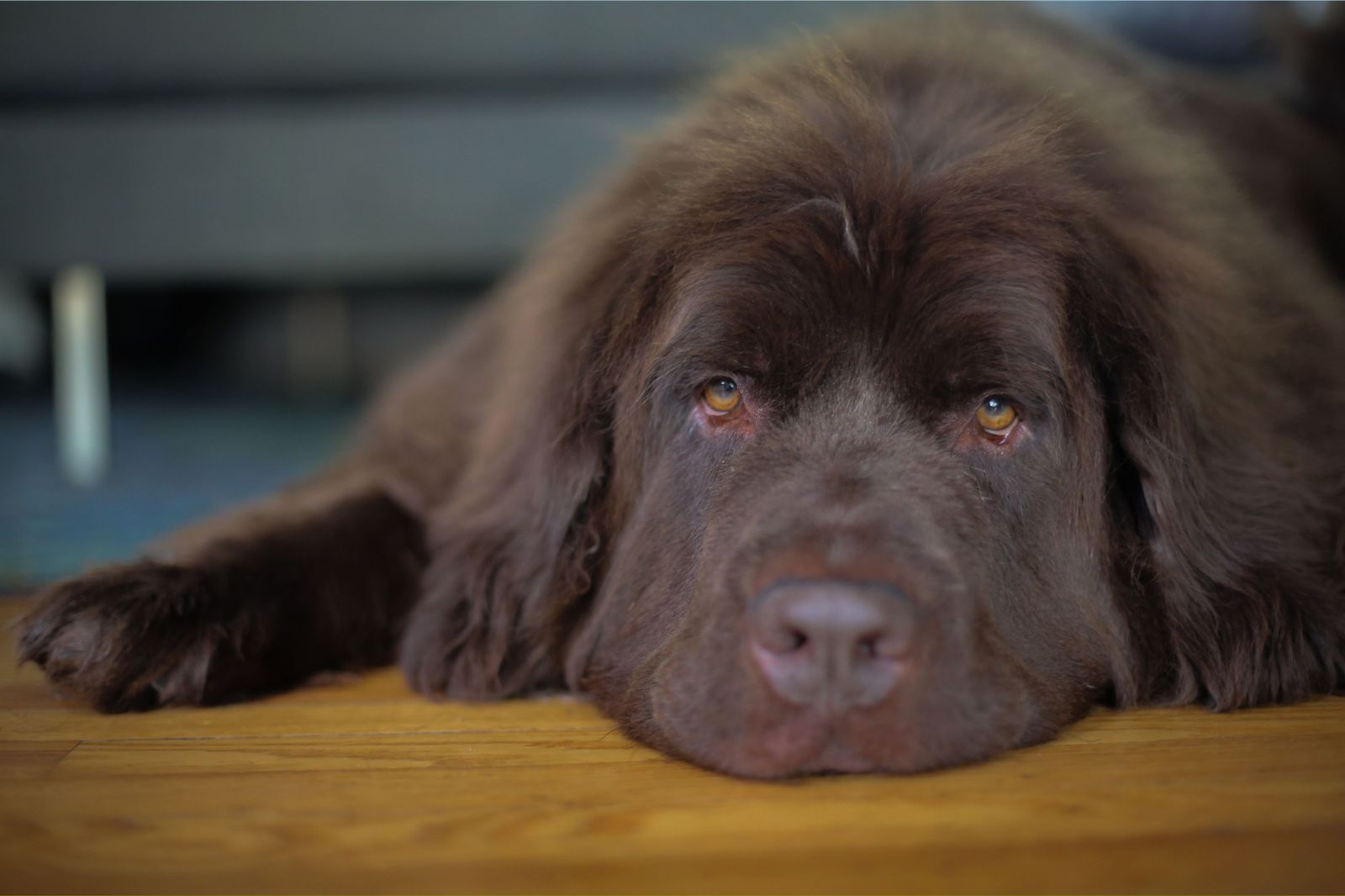
Dogs can influence human health positively. Experts highlight specific breeds known for providing comfort and emotional support, especially for those with anxiety.
Anxiety Disorders and Dog Companionship
Anxiety affects numerous adults in the United States. The National Institute of Mental Health notes that approximately 19.1% of U.S. adults experienced anxiety in the past year. While dogs aren’t substitutes for professional treatment, they offer valuable emotional support, potentially reducing stress and anxiety.
A 2019 study in the journal Animals showed that direct interaction with dogs led to significant decreases in anxiety and improved moods compared to a control group. The Mayo Clinic suggests interacting with pets can reduce stress by decreasing cortisol and increasing oxytocin, a hormone associated with bonding and trust.
Breeds Potentially Beneficial for Anxious Owners
Evan Doggett, a certified dog trainer, discussed breeds he believes aid anxiety. However, he mentions that a breed’s temperament may vary due to differences in working and show lines.
Newfoundland
Known as “gentle giants,” Newfoundlands possess a calm and steady nature. These traits make them ideal for providing comfort to those with anxiety. Their affectionate disposition contributes to their role as therapy dogs. Owners should note the breed’s thick double coat, which requires regular grooming.
Labrador Retriever
Labradors are highly popular in the U.S., known for their friendly nature and eagerness to please. Their trainability and upbeat disposition make them favorites in therapy programs. People with anxiety benefit from their enthusiasm and routine-oriented nature. However, attention to breeding lines is essential, as “field” Labradors are more energetic than therapy-bred ones.
Golden Retriever
Golden retrievers are valued for their gentle and emotionally responsive nature. Also popular in therapy roles, their affection makes them loyal companions. Like Labradors, energy levels may vary; “field-line” goldens tend to be more active and driven.
Poodles
Poodles, both standard and miniature, excel as therapy and emotional support dogs. They are dedicated and attentive to their owners’ needs. Despite their playful side, their independence allows them to navigate stimulating environments closely with their owners.
Greyhound
Despite their racing background, greyhounds are calm at home and suitable as therapy dogs. Although known for speed, they enjoy leisurely walks and prolonged rest, forming loyal bonds with their owners.
Rescue Dogs as Therapy Companions
Doggett notes that many effective therapy dogs are rescue animals, usually mixed breeds aged 5 to 7 years. Age does not hinder learning; older dogs often learn faster and may need less exercise.
Additional Considerations for Dog Therapy
Factors such as early-life experiences and nutritional health influence a dog’s suitability for therapy roles. Dogs spayed or neutered too early may develop anxiety. Balanced nutrition contributes to a dog’s calmness and responsiveness.
While dogs provide emotional support, they are not replacements for mental health treatment. Their companionship can enhance other anxiety management strategies.