DOJ Challenges State Tuition Laws for Illegal Immigrant Students
The Department of Justice (DOJ) has initiated lawsuits against Vermont, Connecticut, and New York. These lawsuits target state laws that allegedly offer tuition benefits to illegal immigrants over American citizens. The Justice Department argues that this practice violates federal law, which requires equal treatment for all U.S. students.
The filing took place under the Trump administration. It challenges laws in four states: Oregon, Washington, New Mexico, and Arizona. These states have been allowing illegal immigrants access to state financial benefits. These benefits include in-state tuition, grants, and state-funded student loans.
Brett A. Shumate, Assistant Attorney General for the DOJ’s Civil Division, emphasized the legal standpoint. He stated, “Colleges cannot provide benefits to illegal aliens that they do not provide to U.S. citizens.” He reiterated the department’s stance against treating American students as “second-class citizens.”
This Department of Justice will not tolerate American students being treated like second-class citizens in their own country.
The latest legal actions join ongoing challenges in over 21 states. The DOJ has previously secured wins in states like Texas and Kentucky. According to Associate Attorney General Stanley E. Woodward, Jr., the aim is to stop illegal aliens from receiving benefits denied to American citizens.
The tuition gap between in-state and out-of-state fees is substantial. For instance, Washington residents pay $13,406 compared to $44,460 for out-of-state students at the University of Washington. Illegal immigrants qualifying for in-state benefits could thus save $31,054.
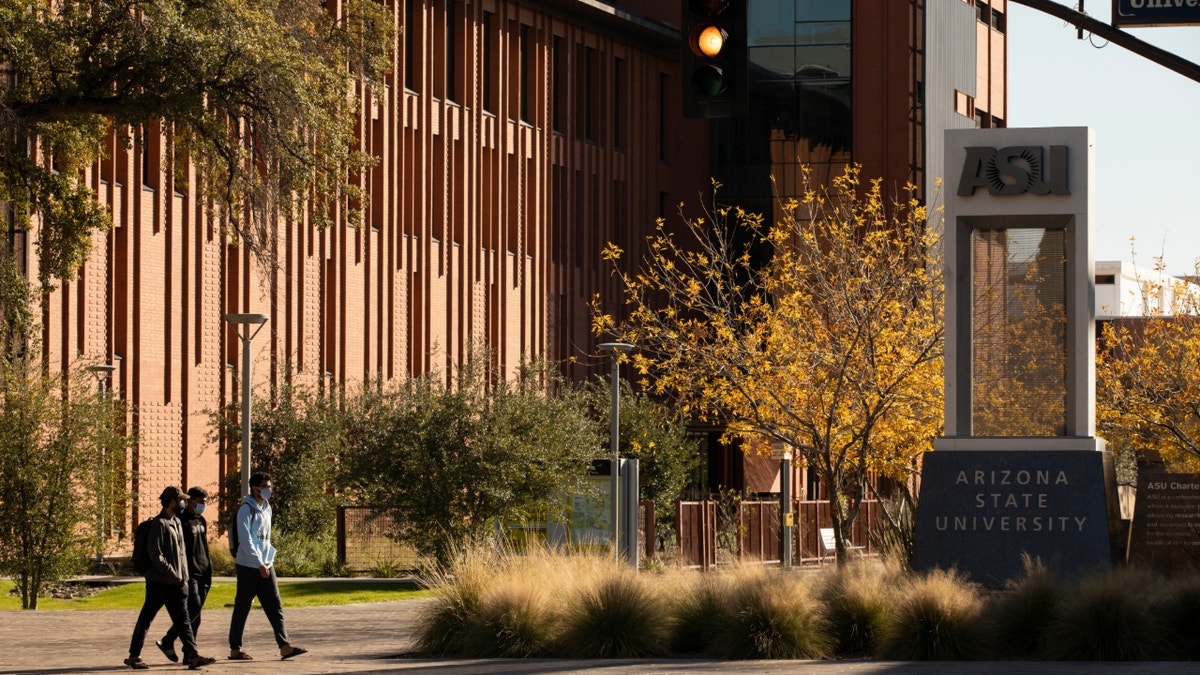
Arizona State University also exhibits stark tuition differences. In Fall 2025, 432 illegal immigrants reportedly received in-state benefits. This amounted to $10.5 million in reduced tuition. A report suggests over 3,600 illegal immigrants could qualify annually under Arizona law.
Arizona’s Board of Regents plans to review the lawsuit. They have indicated compliance with state laws while working with state leaders on the issue.
Oregon faces similar scrutiny. Its Rural Nurse Scholars Scholarship benefits only in-state students. The DOJ alleges this includes illegal immigrants. For the 2026-2027 school year, eligibility for such scholarships is a key concern.
A report from June 2024 noted approximately 408,000 illegal immigrants enrolled in higher education. Of these, 29.1% arrived in the U.S. at age 17 or older. This demographic data highlights the significant number impacted by these laws.
Additional lawsuits are pending in states including Minnesota, Virginia, and California. This ongoing legal battle continues to draw attention both nationally and locally.