Dominican Republic’s Baseball System: Issues and Insights
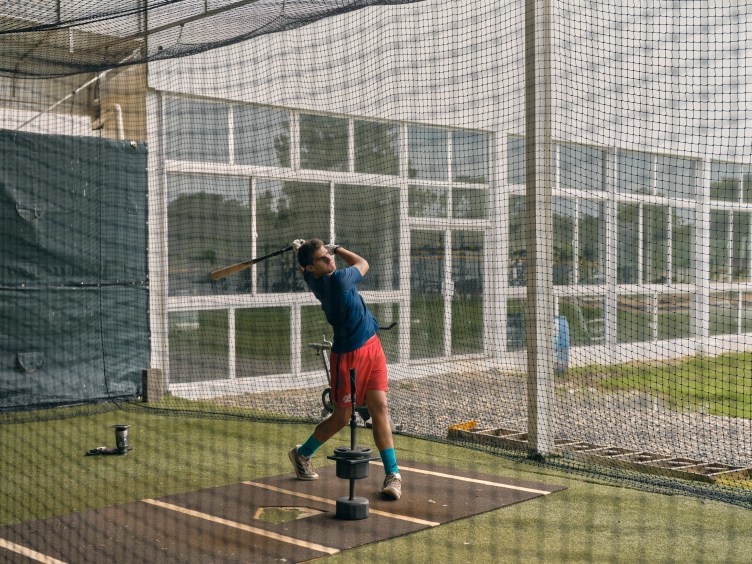
Baseball is deeply rooted in the Dominican Republic. This nation sends a high number of players to American major and minor leagues, including legends like Pedro Martínez and Adrian Beltré. Playing fields and training academies are common here, and villages often honor players who reach professional levels with murals.
For nearly 50 years, more players from the Dominican Republic have joined the majors than from any other country outside the U.S. Despite its population being similar to Ohio’s, 144 Dominican players entered the major leagues last year, making up about 10% of the league.
Baseball in the Dominican Republic operates as a volume business. Teams offer signing bonuses to roughly 450 prospects annually. Though fewer than 10% will play in the majors, these bonuses can significantly impact lives in a country where poverty is prevalent. Bonuses exceed the average annual income multiple times, providing substantial benefits to players and families.
ProPublica’s investigation sheds light on the Dominican baseball system’s dysfunctions.
Training and Earning System: Here, trainers coach children, aiming to profit from their future earnings. While young players in the U.S. and Canada enter through a draft, in the Dominican Republic, they join through a competitive bidding process. MLB scouts sought talent here, leading teams to open basic training academies. Over time, local talent scouts known as buscones established numerous academies. These facilities provide coaching, accommodation, and equipment, often at the expense of education.
In return for training, trainers claim 35% to 50% of the player’s signing bonus. Bonuses usually range around $30,000 but can soar to six or seven figures. Between 2012 and the start of 2026, MLB teams have spent $1.042 billion on bonuses for Dominican prospects, half of which gets diverted to trainers and lenders.
Lenders exploit handshake agreements, offering large loans against future bonuses at very high-interest rates. With usury laws repealed 24 years ago, lenders freely target baseball families.
Handshakes and Preacuerdos: Despite MLB rules prohibiting official contracts with players under 16, unwritten early agreements, or preacuerdos, are prevalent. These agreements are often arranged through trainers, promising payments once players reach legal age. Players as young as 11 are involved, and it can take years to receive bonuses.
Many families take high-interest loans against future bonuses, risking financial troubles. Advertisements for such loans are common, targeting players with preacuerdos.
An Illustrative Case: Belfi Rivera made a handshake deal with the Arizona Diamondbacks at age 14 for $1.8 million upon legal signing age. But he retained little of this sum. His trainer took a $630,000 share, and lenders claimed over $950,000. Santo Caraballo, one such lender, co-founded a business with Red Sox legend David Ortiz.
Caraballo’s role in Oneil Cruz’s case highlights the shadowy side of lending practices. Cruz faced charges after a fatal car crash but had his case dismissed following payments negotiated by Caraballo. Caraballo’s business then partnered with Ortiz, though Ortiz denies personal interests influencing his position.
Draft Controversies: MLB Commissioner Rob Manfred advocates for an international draft to combat issues like early agreements. He argues that a draft could prevent these deals. However, the players union opposes it, fearing reduced choice and bonus potential.
Ortiz intervened by urging player opposition to the draft. His voice message warned against allowing the draft in the Dominican Republic. Despite financial ties to Caraballo, Ortiz claims his stance was based on player development concerns.
System Reforms: MLB has not taken action to reform or end the early agreement system. No team has faced public penalties for partaking in early deals. Efforts to inform families about lending risks have been minimal. Despite calls for change, the system remains flawed, as acknowledged by former Dominican Baseball Commissioner Piñao Ortiz.