Dow Jones Drops Below 50,000 Mark as Concerns Rise
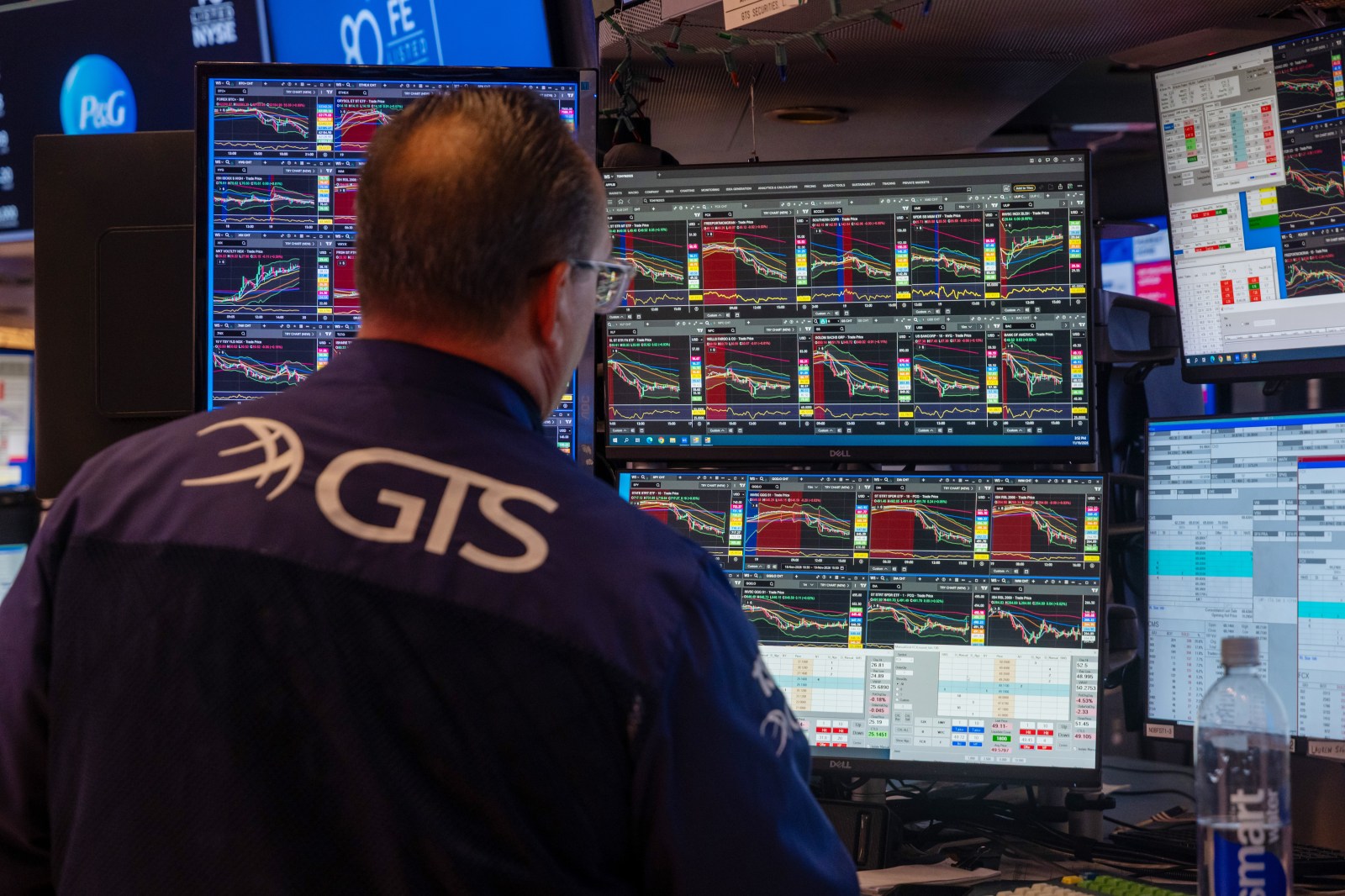
The Dow Jones Industrial Average experienced a significant drop, falling over 1,100 points and closing below the 50,000-point mark. This decline marks its first close beneath this level since June. The 50,000-point milestone gained prominence during Pam Bondi’s congressional testimony as she highlighted it amid discussions on Jeffrey Epstein.
The index fell by 1,101.11 points, or 2.19%, closing Thursday at 49,097.06. The S&P 500 and Nasdaq also saw declines, with drops of 2.02% and 2.25% respectively. Concerns about the artificial intelligence sector, regulatory oversight, and potential Federal Reserve rate hikes contributed to investor anxiety.
“The Dow is over 50,000 … I don’t know why you’re laughing. You’re a great stock trader, as I hear, Raskin,” stated Pam Bondi during a past discussion, highlighting the Dow’s achievements under the Trump administration.
Thursday’s slump was linked to several factors, including Nvidia’s performance. Despite reporting better-than-expected quarterly results, Nvidia’s shares fell by 3.3% to $145.98, revisiting levels not seen since late 2024.
The Political Context of the Dow’s 50,000 Milestone
The 50,000-point mark was notably referenced in a contentious 2026 congressional hearing. On February 11, Pam Bondi addressed the House Judiciary Committee about the Justice Department’s handling of Epstein-related records.
During the proceedings, Bondi pointed to the stock market’s strength as a testament to the Trump’s administration’s economic policies. Her comments drew mixed reactions and laughter from lawmakers, questioning the Dow’s relevance to the Epstein case.
The milestone thus became a symbol in political debates about the administration’s economic record, even though it was never a formal economic threshold.
Nvidia’s Performance and Market Reactions
Nvidia had initially provided positive earnings news, reporting higher-than-expected quarterly results. Analysts anticipated $2.48 per share earnings on $109 billion revenue, but Nvidia delivered $2.68 per share on $115.84 billion revenue. Despite this, Nvidia’s stock couldn’t maintain its initial gains.
Investors’ concerns included a reported SEC investigation into Nvidia’s disclosures and leadership uncertainty following CEO Jensen Huang’s departure. These issues, along with skepticism about the AI industry’s growth, weighed on the stock.
Historical Performance and Current Market Concerns
Previously, the Dow broke the 50,000-point barrier on February 6, 2026, closing at 50,115.67. This was after a turbulent period characterized by AI valuation concerns and economic outlook evaluations.
Peter Schiff, an economist, suggested potential stock market losses since Trump’s presidency, attributing some blame to Democrats post-midterms. He noted, “Of course, Trump will blame the entire decline on the Democrats winning the midterms.”
Anthropic’s IPO and Wall Street’s Next Moves
The IPO of Anthropic provided a litmus test for investor interest in AI companies. Despite concerns about an AI bubble, the IPO was immensely successful, raising $81.3 billion, and briefly valuing the company over $2 trillion.
The Federal Reserve’s rate policy remains a critical focus. Governor Christopher Waller expressed the possibility of a significant rate increase to combat inflation, potentially impacting borrowing costs and stock valuations. Investors await the Fed’s December meeting for further insights.
Additional Pressures on the Dow
In addition to technology sector concerns, healthcare stocks added pressure. A proposed CMS anti-fraud rule, potentially increasing insurance audits, affected companies like UnitedHealth Group and Humana, both dropping around 6%.
The Dow, with its price-weighted structure, saw an outsized impact from significant declines in large components like these healthcare firms.
Future Considerations
Investors are evaluating whether the recent declines signal a temporary correction or a more extended downturn. Nvidia’s results indicate strong AI demand, but market reactions suggest growing valuation concerns.
The Dow’s recent drop below 50,000 introduces questions about broader market stability. Analysts will closely monitor forthcoming economic data, interest rates, and corporate earnings for signs of recovery or further challenges.