Dr. Abdul El-Sayed Secures Democratic Nomination in Michigan Senate Race
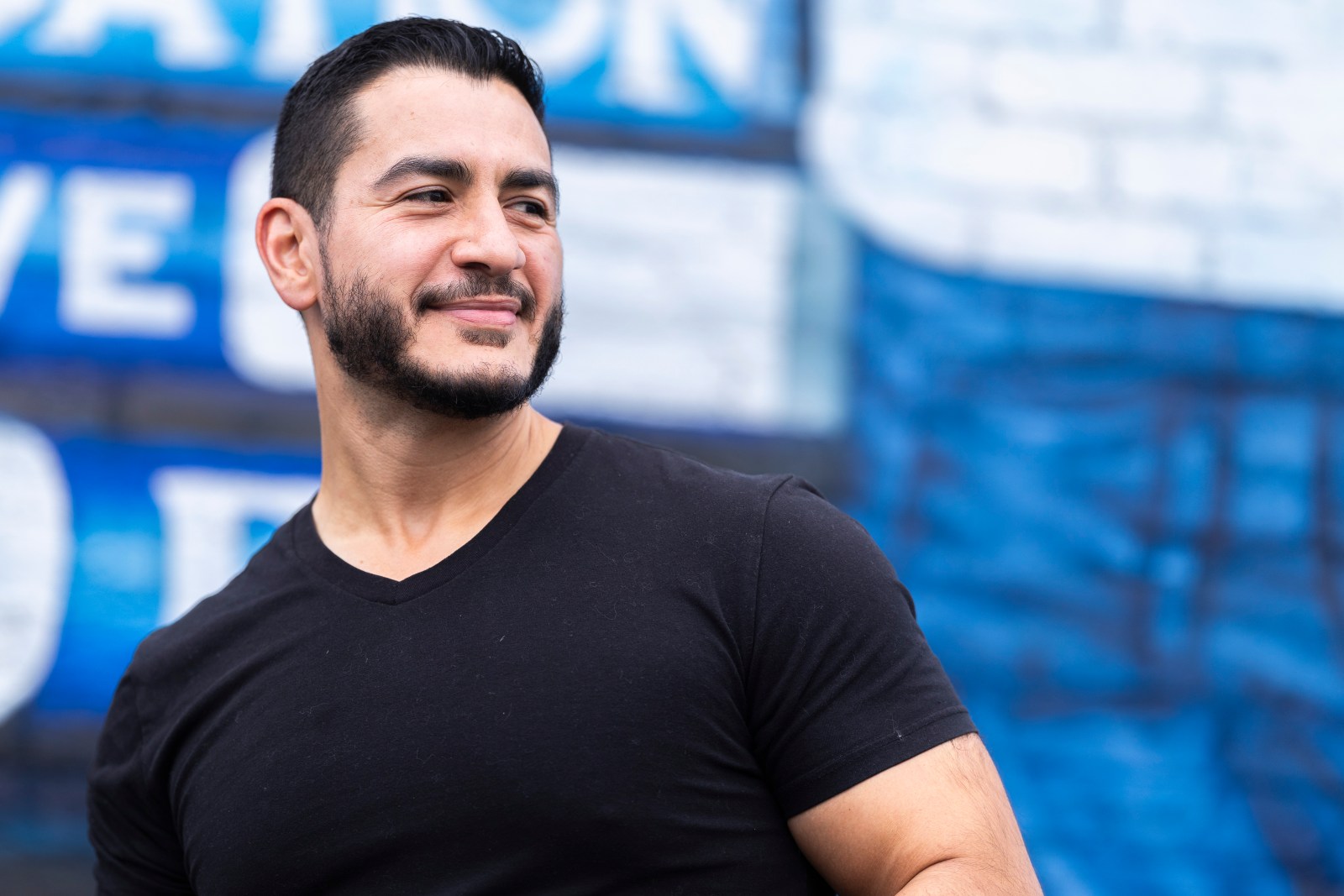
The high-profile Democratic Primary in Michigan concluded with a win for the progressive faction. Dr. Abdul El-Sayed, a former state public health official, emerged victorious with a narrow, single-digit lead over establishment Representative Haley Stevens. Their contest represented a broader debate within the Democratic Party about corporate influence, Israeli relations, and government roles.
Michigan’s political landscape has been traditionally mixed, voting for Donald Trump in the 2024 presidential election while electing Democrat Elissa Slotkin to the Senate. The general belief has been that moderates contribute to Michigan’s political balance; such voters were not expected to back a progressive candidate like El-Sayed. El-Sayed challenges this view, emphasizing his focus on issues that won him the primary.
El-Sayed argues that today’s swing voter is not a centrist but an antiestablishment independent drawn to populist policies. He believes this voter profile will help him defeat the Republican Senate nominee, former Representative Mike Rogers, in the upcoming election on November 3.
Rogers, who served in the House from 2001 to 2015, has aligned himself with Donald Trump, which might be pivotal for his support base. Despite Michigan not voting Republican for president since 1988 until Trump’s win in 2016, the GOP controlled the state legislature during much of that period.
Rogers aims to revive the centrist image of Republicans to secure victory. He noted the state’s loss of manufacturing jobs and standing in education, arguing that El-Sayed is part of the problem. He accuses El-Sayed of promoting policies that could harm the state and pledges to work across party lines to improve Michigan’s economy and educational system.
El-Sayed’s strategy focuses on framing Rogers as a representative of corporate interests. He criticizes Rogers for benefiting from corporate donations and accuses him of prioritizing foreign conflicts over domestic issues.
In response, Rogers cites his experience in intelligence and military service to counter claims about his focus. He disputes El-Sayed’s portrayal of his foreign and policy interests, pointing to his service record and asserting that business support for him is due to his mission rather than influenced by donations.
Despite El-Sayed’s primary victory, nearly half the voters supported Stevens, leaving a task to retain or convert these voters. Key Democratic figures supported Stevens initially, questioning the extent of their support for El-Sayed’s campaign post-primary.
El-Sayed’s campaign challenges both major parties and establishes a narrative that political outsiders have electoral strength. He points to widespread disapproval of Democratic and Republican leadership as evidence of a need for change. The outcome of this race may redefine strategic approaches in future elections.