Early-Onset Alzheimer’s Progression Prediction Using Brain Scan Tool
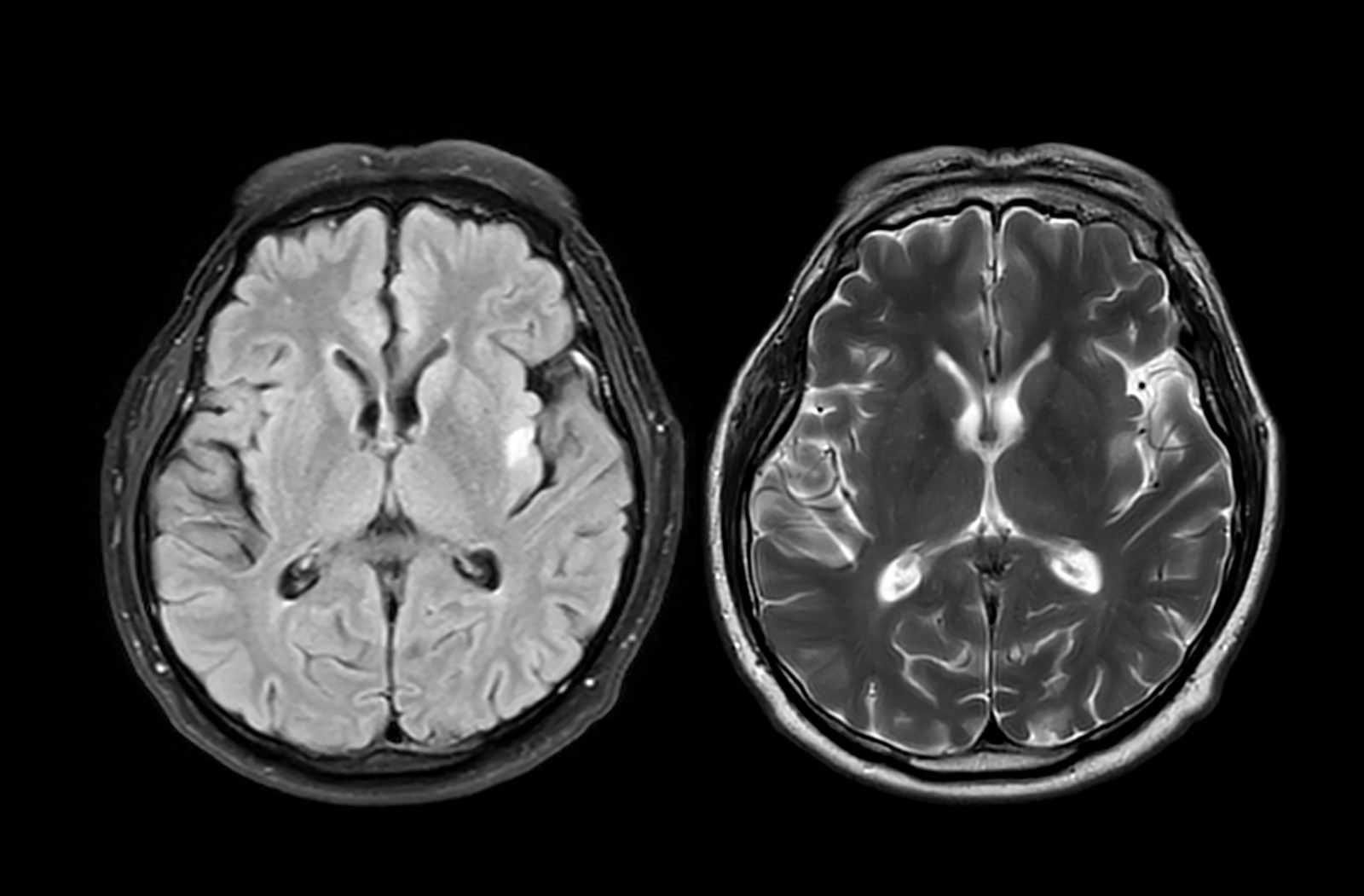
A recent study highlights a promising brain scan tool that assesses shrinkage in areas linked to cognitive functions, potentially predicting progression from mild cognitive impairment (MCI) to dementia in early-onset Alzheimer’s disease cases. Early-onset Alzheimer’s typically manifests before the age of 65, often beginning with MCI, where memory and thinking issues are evident but not severe.
Researchers aimed to explore if brain shrinkage patterns could forecast the speed at which MCI turns into dementia. They introduced the early-onset Alzheimer’s disease signature, a tool detecting atrophy in the brain’s gray matter within eight regions, including parts of the parietal and temporal cortex. By evaluating MRI scans, they measured thickness in these areas, resulting in a consolidated score indicating brain shrinkage.
The study assessed 130 persons with MCI, all living independently, along with 97 healthy individuals for comparison, aged between 40 and 64. Participants underwent MRI scans at the study’s onset and attended at least one annual follow-up over two years. During this period, 65% of early-onset Alzheimer’s patients transitioned from MCI to dementia. Findings revealed that increased gray matter shrinkage correlated with faster progression; each standard deviation increase in shrinkage presented a 1.24 times higher risk of MCI advancing to dementia.
The brain scan biomarker offered predictions surpassing initial symptom evaluations. Lead researcher Alexandra Touroutoglou from Harvard Medical School underscored a common patient query: “When will I lose my independence?” Current prediction methods for progression from MCI to dementia in early-onset Alzheimer’s are limited, but this biomarker could possibly function as a timing tool, aiding doctors in estimating when dementia begins and the rate of its progression.
Dr. Ronald Schwartz from Continuum Health Services at Masonicare commented on the tool’s potential value, stating the disease’s progressive nature complicates reliable predictions for individual cases due to considerable clinical variability. The study suggests the tool helps patients and families anticipate future scenarios and determine eligibility for clinical trials targeting potential treatments. Schwartz noted that reliable prediction tools could enhance care planning by offering clearer expectations, aiding families with decisions about work, finances, and future support needs. Nevertheless, predictions should foster improved discussions rather than serve as definitive answers.
The biomarker acts as a map highlighting brain regions prone to shrinkage in early-onset Alzheimer’s patients. This map, applied to MRI scans, measures shrinkage extent to estimate progression speed. However, the research pointed out that the biomarker’s testing was within a single study group, primarily non-Hispanic White individuals, raising questions about its applicability across different populations. Schwartz emphasized further studies are needed to validate its effectiveness across diverse age groups, disease stages, and clinical presentations, ultimately ensuring that predictions bolster care and decision-making for patients and their families.
The study concludes that measuring gray matter shrinkage via MRI could aid in clarifying expectations for doctors, patients, and families, though broader testing is necessary for comprehensive validation.