Economic Impact of Proposed $25 Federal Minimum Wage
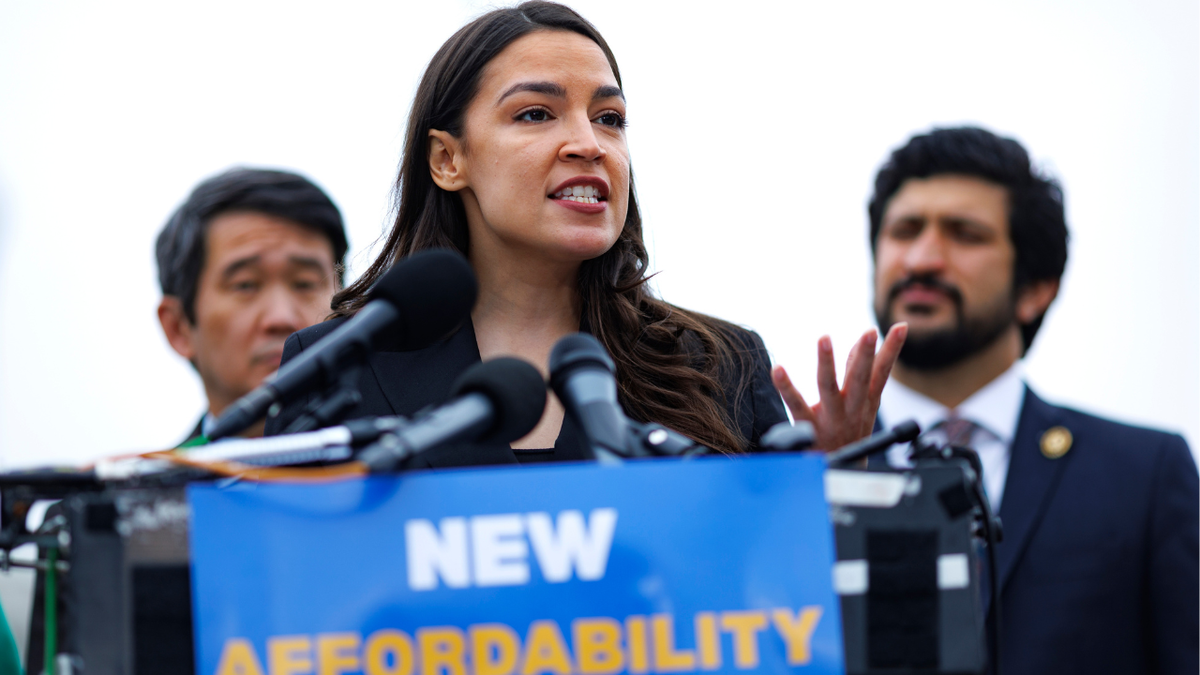
A proposed federal mandate to raise the minimum wage to $25 per hour by 2031 prompts warnings from economic experts about widespread job losses. This policy is backed by progressive lawmakers, aiming to elevate worker pay amid an affordability crisis. However, opposition highlights potential economic disruptions.
Projected Job Losses
Rebekah Paxton from the Employment Policies Institute highlighted that the proposed increase might lead to the loss of over 5 million jobs nationwide. States like Texas, Pennsylvania, Georgia, North Carolina, and Florida are expected to experience the most significant impacts. These states currently follow the $7.25 minimum wage rate, and a $25 increase signifies more than tripling labor costs.
The southeastern U.S. has seen rapid population growth post-COVID, making potential economic shifts particularly consequential. Local businesses may attempt to offset increased labor costs with higher prices, but research suggests that job cuts and reduced worker hours could be inevitable.
Sector-Specific Impacts
The restaurant and hospitality industries would likely face one-third of the job losses. Tipped employees, exceeding 1.2 million, could be particularly affected as the proposal phases out the federal tip credit, requiring a direct cash wage up to $25 per hour.
Advocacy for Wage Increase
Advocates argue that a $25 minimum wage is critical due to rising living costs since the federal wage has been stagnant at $7.25 since 2009. Saru Jayaraman of One Fair Wage emphasized broad support from across the political spectrum for meeting basic living needs.
The legislative push, supported by figures like Rep. Alexandria Ocasio-Cortez, also aligns with broader progressive agendas, including wealth taxes and immigration reforms. Local campaigns in California and New York aim for even higher wages in high-cost cities by 2030.
Economic Concerns
Critics warn that sudden wage hikes could exacerbate inflation and limit entry-level job opportunities. One Fair Wage contends that the affordability crisis arises because wages lag behind cost-of-living increases. They advocate for measures ensuring that tipped workers also receive full minimum wages.
While free-market economists caution about job losses, other research suggests that carefully phased increases could enhance incomes without significantly affecting employment rates.
Joshua Q. Nelson of Fox News Digital, who has been with the outlet since 2019, reported extensively on these issues. He holds credentials from Syracuse University and the University of Pennsylvania. Contact him for more insights and updates.