Effective Tidying with the Five Things Method
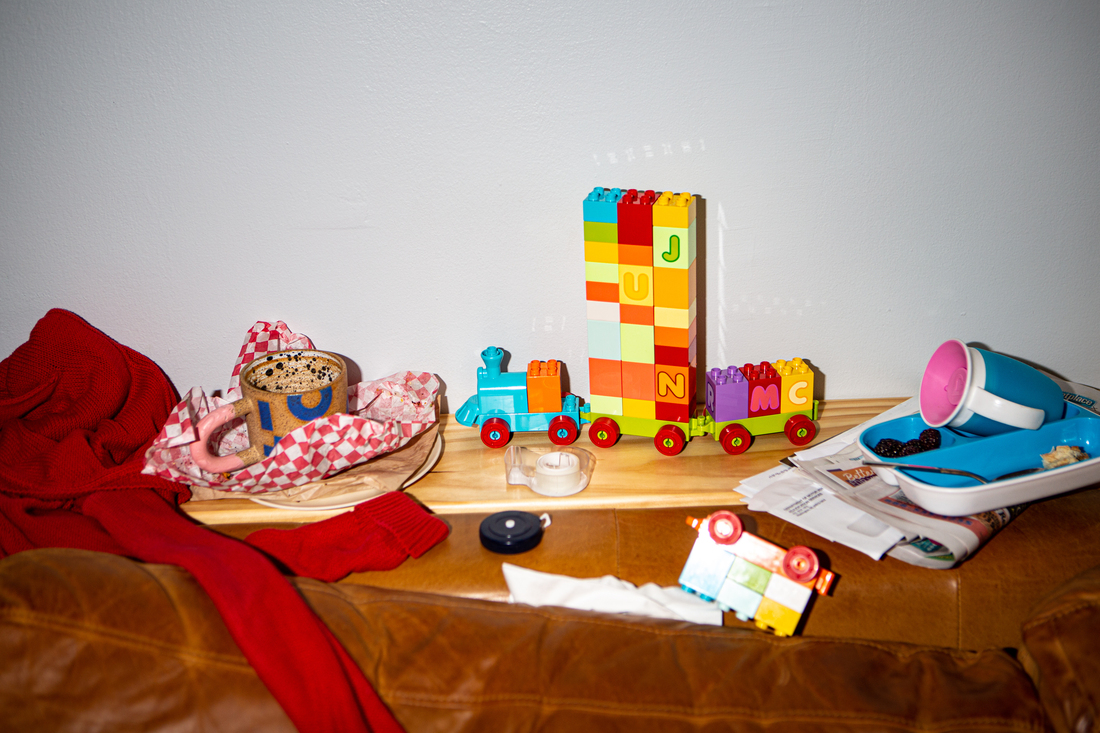
Imagine your home on its untidiest day. You might find yourself in your living room surrounded by chaos. Legos scattered on the floor, dirty socks between couch cushions, and cups with dried milk. Receipts and mail clutter the table. “Many of us encounter such scenes and feel overwhelmed,” says KC Davis, a licensed therapist and author of How to Keep House While Drowning. “We don’t know where to begin and often spend hours without seeing any progress.”
The ‘Five Things Tidying Method’
Feeling shame about a messy house is common, but as Davis points out, a messy home is not a moral failure. Your home should serve you, not the other way around. What’s important is whether your space is functional and allows you to live the life you want.
In a recent interview with Life Kit, Davis shared her “Five Things Tidying Method,” a straightforward way to restore functionality to a messy room. In every space, there are just five categories of things: trash, dishes, laundry, things that have a place, and things that don’t have a place. Address them in this order:
1. Collect Trash
Get a trash bag or can and move through the room collecting garbage. Do not take out the trash right away. “Leaving the room increases the chances of distraction,” explains Davis. This method aims to make the space livable. Trash can sit by the door, but excessive trash spread around hampers functionality.
2. Pile Up Dirty Dishes
Gather all dirty dishes and place them in the sink or pile them together. Davis suggests using laundry baskets without holes or a rolling hamper to collect them. The goal is to minimize energy use for the most functional result. Don’t wash them yet.
3. Pick Up Clothing and Laundry
Collect all laundry in a basket or bag. Davis doesn’t distinguish between clean and dirty clothes; anything on the floor goes into the hamper for washing. This decision reduces the burden on those who find it difficult to categorize items. Adjust this step as needed and put the laundry aside.
4. Put Back Things That Have a Place
If something has a specific spot, return it there. Items belonging elsewhere in the house can be grouped by the door for later placement.
5. Gather Things That Don’t Have a Place
For items without a designated spot, first consider a check-in with yourself: assess your motivation and concentration levels. Gather these items in a basket. If energized, try to find places for them. Ask yourself if these items have similar counterparts elsewhere. Davis recommends using visible storage like clear shoe holders for easy access.
After working through these steps, you can dispose of trash, handle the dishes, or start doing laundry. Optionally, celebrate your progress with a small break or activity.
This episode’s audio was produced by Mia Venkat and edited by Meghan Keane. Danielle Nett edited the digital story, with visuals by Beck Harlan. Listen to Life Kit on Apple Podcasts and Spotify, or subscribe to their newsletter.