Efforts to Develop a Bundibugyo Ebola Vaccine
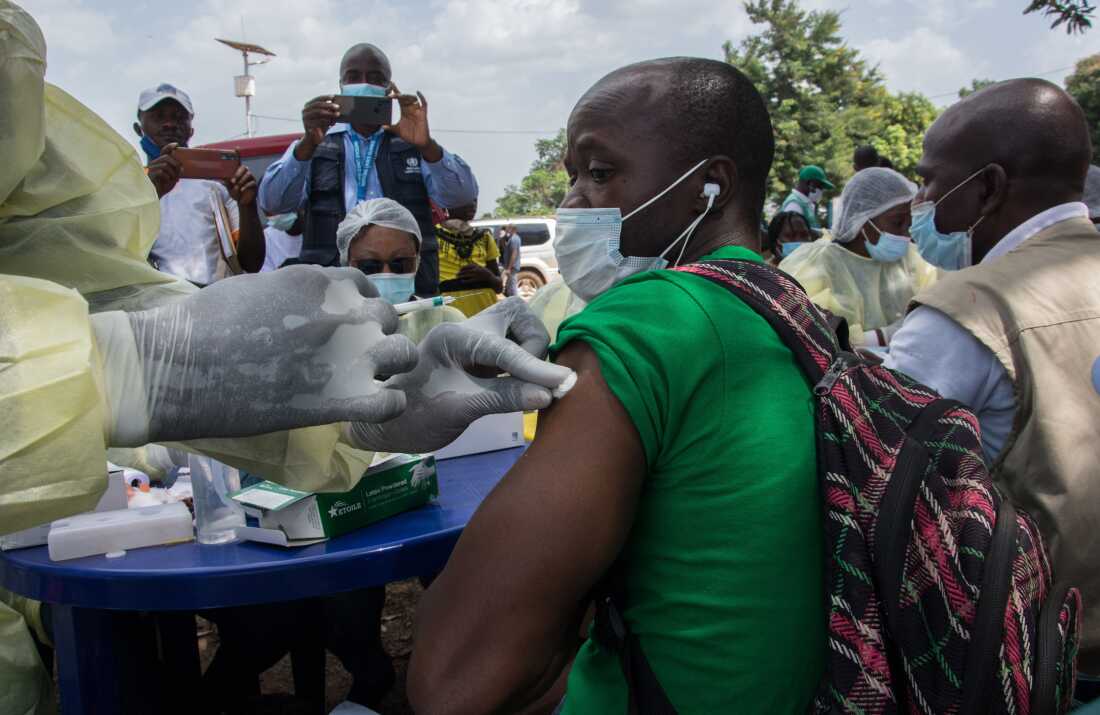
A health worker from the Guinean Ministry of Health is preparing to administer an anti-Ebola vaccine in Gueckedou, Guinea, following a recent outbreak. Although the first Ebola vaccine was approved in 2019, targeting a different Ebola strain, the current outbreaks in the Democratic Republic of Congo (DRC) and Uganda involve the rare Bundibugyo species. There are no approved vaccines or treatments for this species.
In response, global vaccine non-profits are investing over $100 million to develop a Bundibugyo vaccine. The Coalition for Epidemic Preparedness Innovations (CEPI) is allocating approximately $62 million to advance research on three vaccine candidates. Meanwhile, Gavi, a global vaccine alliance, is pledging $40 million to establish a market for a successful vaccine.
Nicole Lurie, executive director for preparedness and response at CEPI, highlighted the urgency of developing a vaccine for the Bundibugyo strain as it is a deadly killer, emphasizing the difference a vaccine can make. As understanding of the outbreak grew, CEPI moved to accelerate vaccine development. Despite significant funding, it will be months before the vaccines can demonstrate effectiveness.
Current Vaccine Development Efforts
Three organizations are benefiting from CEPI’s funding: IAVI, the University of Oxford, and Moderna. Each is developing a unique vaccine candidate.
- IAVI: Receiving up to $3.2 million, IAVI is developing a vaccine using a vesicular stomatitis virus (VSV), a method similar to the approved Ervebo vaccine. Although successful in trials with monkeys, more production is necessary to begin larger clinical trials.
- University of Oxford: Awarded up to $8.6 million, this candidate mirrors the method used in Oxford/AstraZeneca COVID-19 vaccines. Doses could be ready in one to two months, partnering with the Serum Institute of India.
- Moderna: Granted up to $50 million for an mRNA vaccine, which previously showed 100% protection against another Ebola strain in animal trials. The dosage strategy, whether single or double, remains undecided.
Challenges in Clinical Trials
Clinical trials for these vaccine candidates are expected to take place in areas currently affected by the Bundibugyo species, like the DRC and Uganda. Conducting such trials is complex due to unpredictable Ebola outbreak patterns and ongoing conflicts in northeast DRC. This environment, combined with misinformation about vaccines, poses challenges to engaging communities in trial participation.
CEPI’s Lurie and other health officials are working to engage communities and organizations to prepare for these trials. Efforts are underway to rigorously assess the safety and efficacy of these candidates, with the aim of making measurable progress in controlling the outbreak.