El Niño Poised for Potential ‘Super’ Status Impacting Global Climate
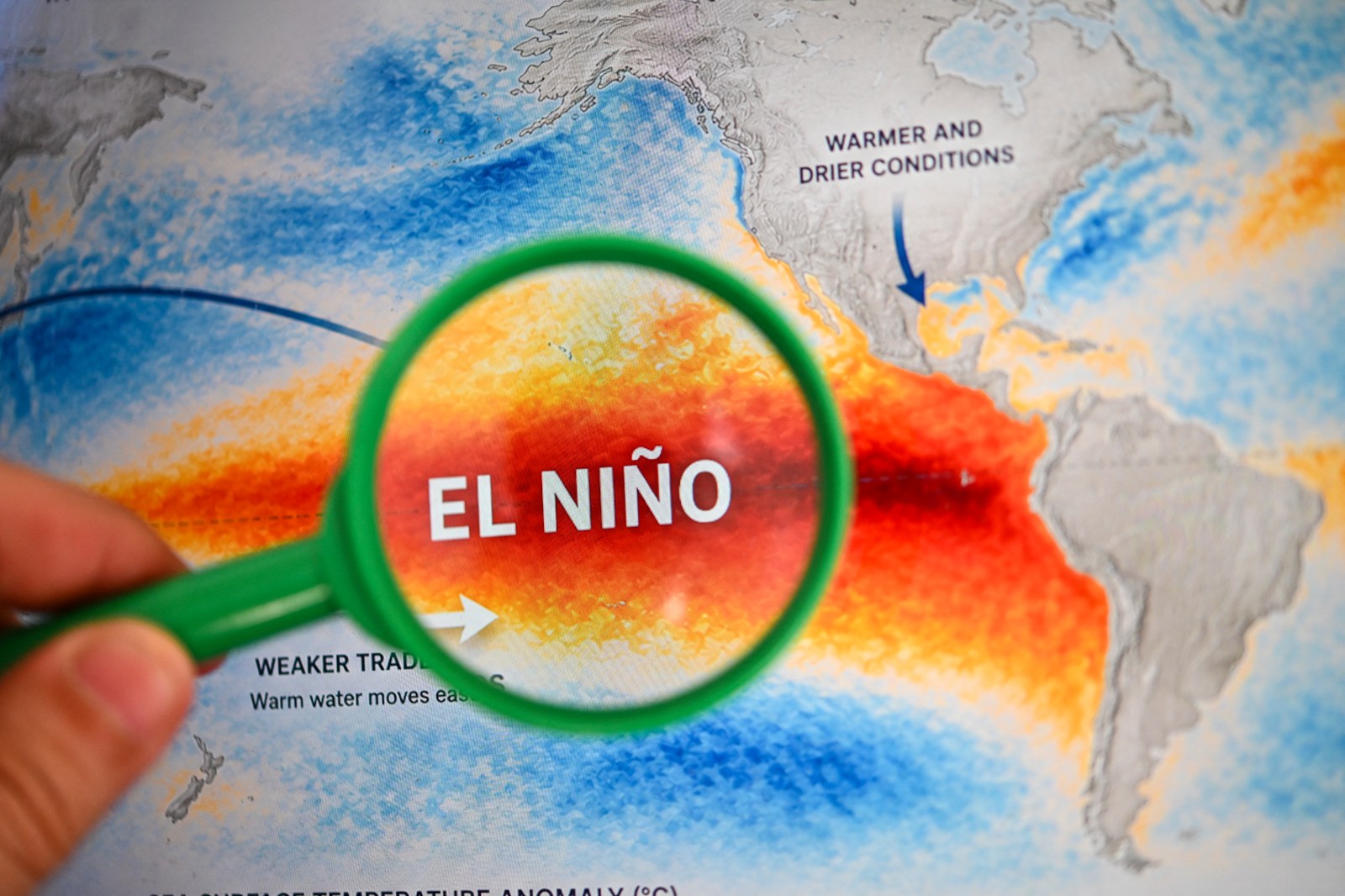
Understanding El Niño
The National Oceanic and Atmospheric Administration (NOAA) defines El Niño as the warm phase of the El Niño-Southern Oscillation (ENSO). ENSO is a recurring climate pattern in the Pacific that alters ocean temperatures and affects tropical wind and rainfall patterns globally.
This climate phenomenon influences weather worldwide. During winter, El Niño often causes wetter conditions in the Southern U.S. and warmer, drier conditions in the Northern regions.
A ‘super’ El Niño is an informal term for a particularly intense event where ocean temperatures surpass 2 degrees Celsius above average. These occurrences are rare, with notable instances in 1982-83, 1997-98, and 2015-16.
Current Forecast and Potential Strength
AccuWeather, as of August 3, predicts over a 90 percent probability that El Niño will reach ‘super’ status by late in the Atlantic hurricane season. This strengthening pattern could reduce tropical activity, though reduced activity doesn’t guarantee an uneventful season.
AccuWeather’s lead hurricane expert, Alex DaSilva, noted that a stronger El Niño increases wind shear over the Atlantic, complicating the formation and intensification of tropical storms and hurricanes. The Atlantic hurricane season spans from June 1 to November 30.
Strengthening Trends and Future Outlook
Fox Weather reports El Niño’s ongoing intensification, potentially making it one of the strongest on record by fall or winter. However, it’s not yet a ‘Super El Niño.’ Pacific waters need to maintain temperatures 2 degrees Celsius above average for three months to reach this status. No clear timeline exists for this threshold to be met.
Historically, since 1970, ‘Super El Niño’ events rapidly shifted into neutral or La Niña conditions. The 1997 event serves as a comparison, but current models suggest this El Niño could become stronger.
CPC’s Updated Projections
The Climate Prediction Center (CPC) indicated on July 9 that El Niño is likely to continue strengthening through 2026, with a 97 percent likelihood of persisting into early spring 2027. There’s an 81 percent chance of experiencing a ‘very strong’ El Niño during October to December, potentially making it one of the most significant events since 1950.
While strong El Niños increase the odds of expected patterns, they don’t universally result in typical impacts.