El Niño’s Impact on Weather Patterns Globally
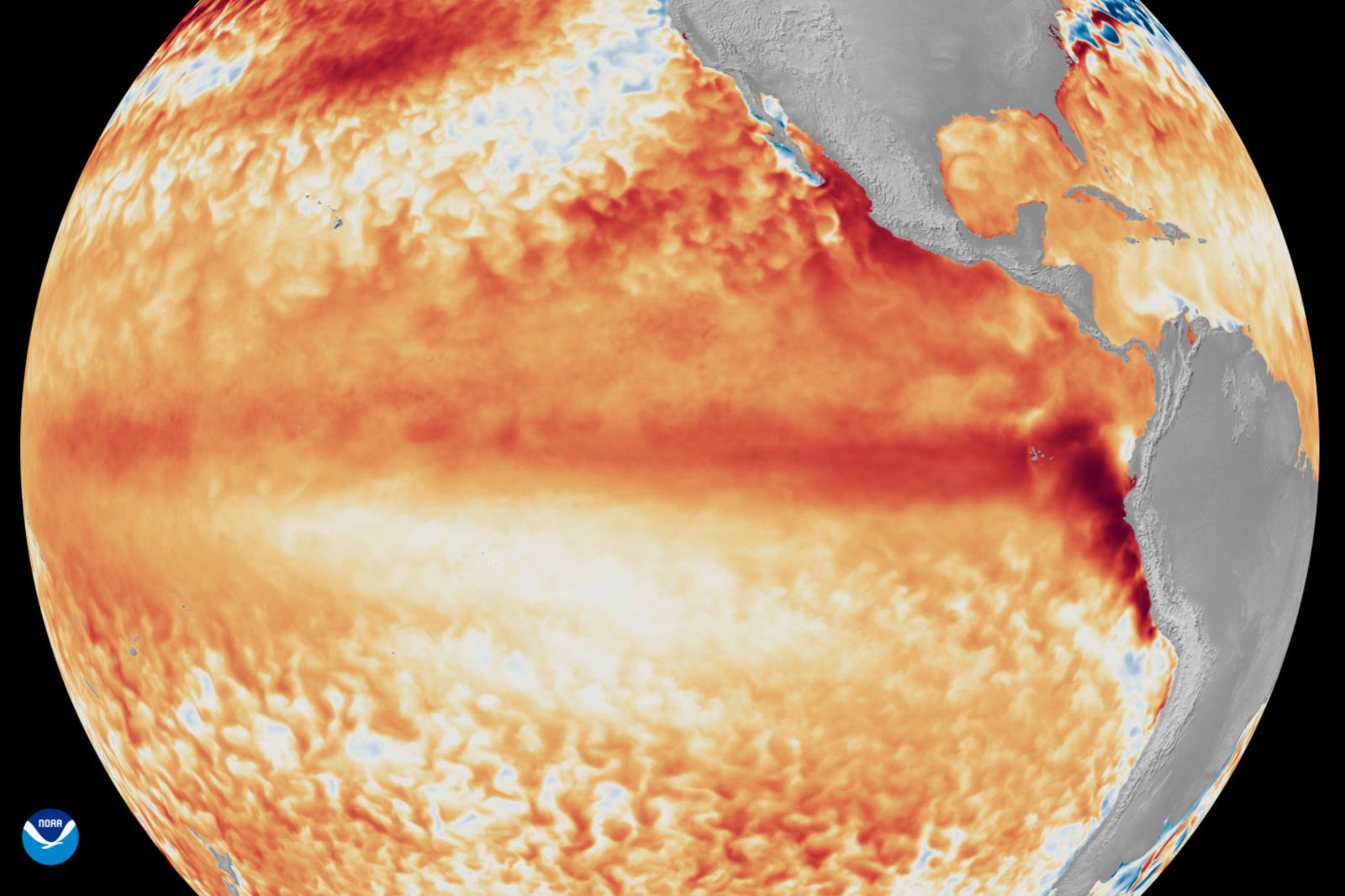
El Niño’s Arrival in the Pacific
The El Niño climate pattern has emerged in the tropical Pacific, potentially becoming one of the most intense in decades. Australia’s Bureau of Meteorology confirmed the presence of El Niño, marked by warm sea-surface temperatures in the central and eastern Pacific Ocean. Experts predict this climate phenomenon will strengthen into the second half of 2026, possibly ranking among the top events since 1950.
The Bureau of Meteorology indicated that forecasts suggest a strong to very strong El Niño, based on warming trends in the central tropical Pacific. About half of the predictive models suggest that this event could reach peaks among the highest observed levels since 1950.
Influence on Australia
Australia faces significant impacts from El Niño, known for triggering below-average rainfall and higher-than-average temperatures in many regions. The Bureau of Meteorology reported that rainfall might be scarce in southern and eastern parts of the country from July to September, while temperatures are expected to rise, except in some northern areas.
This climate pattern increases the likelihood of frosts and wildfires, adding stress to farming activities. As a major exporter of wheat, sugar, and beef, Australia’s agricultural output is crucial to global food markets. The nation experienced an El Niño from 2023 to 2024, which led to one of the driest periods recorded in some parts. An earlier strong event in 2015-2016 resulted in widespread droughts and impacted grain and oilseed production. Typically, El Niño lasts six to 12 months, though some persist up to two years, with current forecasts indicating a continuation into 2027.
Effects on the United States
El Niño’s influence on the United States is most evident during winter. The warming of the Pacific shifts the jet stream’s position, altering storm paths. Generally, El Niño winters bring increased rainfall and storms to the southern U.S., with the jet stream moving south. This alteration raises the likelihood of rain and snow in California, the Southwest, Gulf Coast, and Southeast, potentially alleviating drought conditions but also increasing flood risks.
Northern states often experience milder winters during El Niño, reducing heating needs and minimizing prolonged cold periods. The National Oceanic and Atmospheric Administration notes that these warmer conditions are common during El Niño events.
This weather pattern could also impact the 2026 Atlantic hurricane season. El Niño’s strong upper-level winds typically suppress hurricane formation in the Atlantic.