El-Sayed’s Historic Oath and Its Implications for American Politics
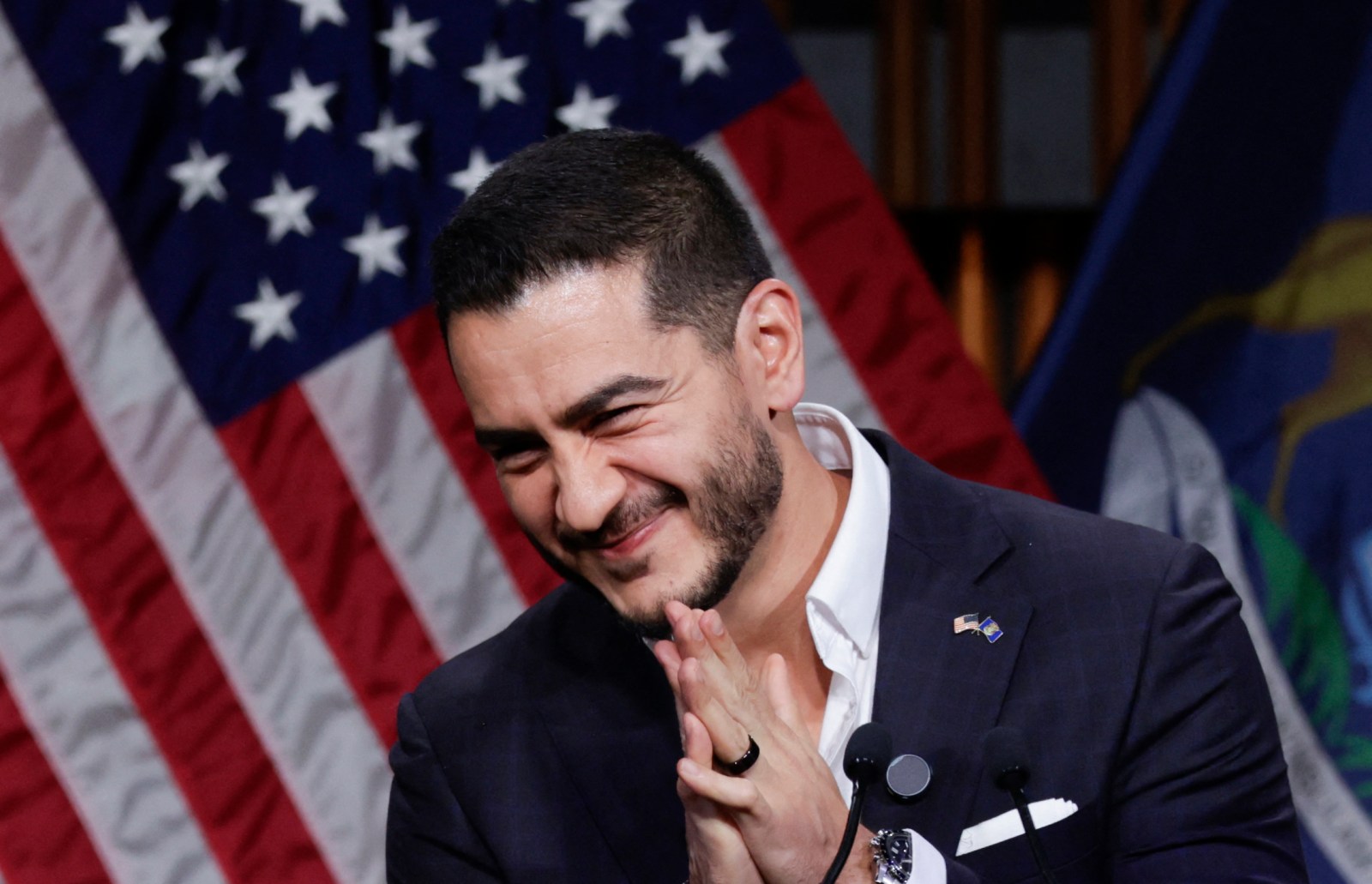
Thomas Jefferson’s Quran, acquired during his law studies in 1765, is poised to gain attention as the new class of U.S. senators takes office. Abdul El-Sayed, a Democrat from Michigan, indicated to NPR that he is ‘likely’ to use Jefferson’s Quran for his swearing-in as he becomes the first Muslim senator in American history. El-Sayed emerged victorious over Republican Mike Rogers in the recent midterms.
El-Sayed mentioned the possibility of using another Quran owned by the University of Michigan, stating, ‘It’s very, very old, and that might be the choice.’ However, he confirmed his intention to take the oath on a Quran.
Significance of El-Sayed’s Oath on the Quran
Taking the oath on the Quran represents ‘an affirmation of the freedom of religion enshrined in the Constitution,’ according to Mohammad Hassan Khalil, director of Michigan State University’s Muslim Studies program. Khalil noted that religious identity appears to be becoming less of a barrier in American politics. Voters focused on El-Sayed’s platform of removing money from politics and advocating for Medicare for All, rather than on his identity.
Political scientist Youssef Chouhoud stated that the election carries dual meanings. It reflects progress, as a Muslim has risen to a significant political position amidst an anti-Muslim climate. However, he pointed out that the delayed milestone of a Muslim senator highlights the prolonged struggle for representation. Despite progress, obstacles remain for American Muslims across various sectors.
Chouhoud stressed that while the theological barrier is diminishing, political challenges persist. He acknowledged that many Muslims refrained from seeking higher office due to limited support beyond their communities. Yet, for many Democrats, independents, and some Republicans, being Muslim no longer disqualifies a candidate.
Precedents of Taking Oaths on Religious Texts
Though El-Sayed’s swearing-in as a senator on the Quran would be a first, members of the House have previously taken similar oaths. Harvard professor Diana Eck highlighted a trend of individuals choosing texts that hold personal significance. In 2007, Keith Ellison became the first Muslim member of the House by swearing in on Jefferson’s Quran, despite facing criticism.
Since then, Representatives Ilhan Omar and Rashida Tlaib, the first Muslim women in Congress, have also used the Quran. Eck described these changes as ‘inevitable’ as the nation’s religious diversity grows, especially since the 1965 Immigration and Nationality Act.
Diverse Choices in Religious Texts for Swearing-In
As Congress’s religious diversity increases, members are opting for different texts. Though no law mandates the use of a religious text, many historically chose the Bible. Senator Adam Schiff used a Mishneh Torah, and Tulsi Gabbard was sworn in on the Bhagavad Gita. Others chose nonreligious texts, like Robert Garcia with a Superman comic and Kyrsten Sinema with the U.S. Constitution. El-Sayed’s potential choice of the Quran marks a historic event for the Senate.
El-Sayed’s Campaign and Faith Under Scrutiny
During his campaign, El-Sayed’s faith became a focal point. Former President Donald Trump criticized him for alleged jihadist support, comments some viewed as Islamophobic. Trump stated, ‘He would be the only senator needing a metal detector to enter the Senate.’
El-Sayed faced demands to ‘disavow’ ties to the Muslim Brotherhood. El-Sayed dismissed connections to the group, stating he has never been involved. Critics accused Rogers of exploiting El-Sayed’s faith to gain political advantages, indicative of ‘Trump politics.’ El-Sayed faced both overt and subtle anti-Muslim sentiments. Chouhoud observed that despite overcoming such challenges in Michigan, the political weapon of identity remains potent.
Impact of El-Sayed and Other Muslim Candidates
Muqtedar Khan, a professor at the University of Delaware, called El-Sayed’s election a defeat of Islamophobia. While acknowledging ongoing religious discrimination, he emphasized the need for elected officials to fulfill their campaign platforms. El-Sayed focused on Medicare for All and economic support for Michiganders.
Khan advised that amid identity challenges, candidates must concentrate on their agendas, cautioning that success might lead to heightened scrutiny. Ultimately, they must prioritize delivering on promises to their constituents.