Election Security Challenges in the 2026 Midterms
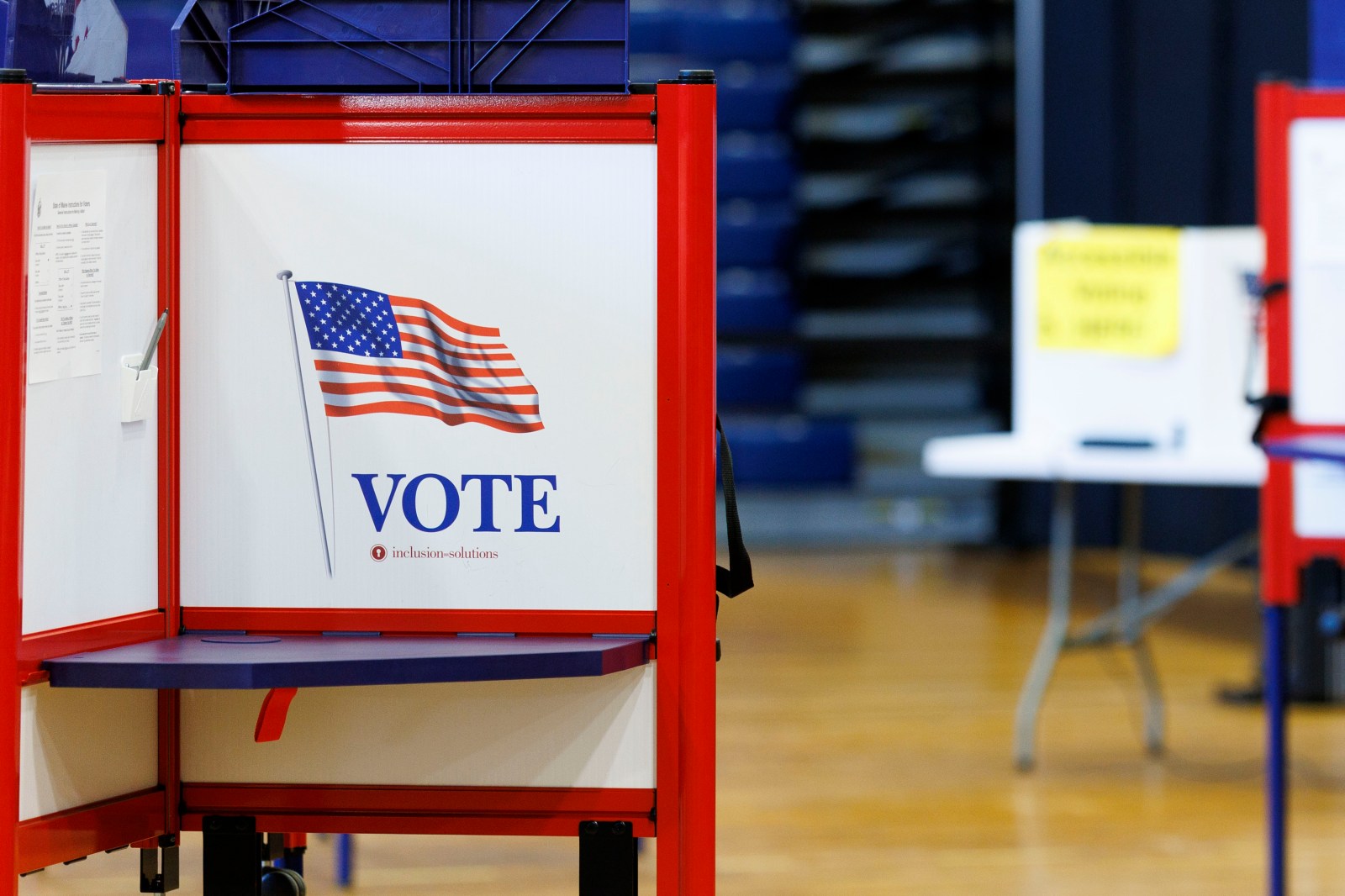
U.S. Midterm Elections Under Scrutiny
On Tuesday, Americans will participate in the 2026 midterm elections, facing intense scrutiny over election security. Officials are addressing various threats such as voter intimidation, cybercrime, AI-generated misinformation, and challenges to public confidence in the vote count.
Beyond Party Control
The stakes go beyond party control, focusing on the credibility of disputed results. Ensuring trustworthiness hinges upon tracing ballots, maintaining physical records, verifying vote totals, and identifying irregularities to differentiate them from actual fraud.
Decentralized Election System
Voters, poll workers, and numerous state and local election officials rely on a system of safeguards that, according to experts, makes widespread manipulation difficult. However, uneven resources, cyber threats, and rapidly spreading false information create vulnerabilities.
“America’s election system has a genuine strength that is sometimes overlooked: it is decentralized,” said political scientist Daniel Schatz. “Elections are administered by thousands of state and local officials, using multiple layers of checks.”
This decentralized nature is viewed as an asset, providing innovation and resilience against centralized attacks. Yet, less-resourced communities may face challenges in recruiting expertise or delivering consistent service.
Tracking Ballots and Mail Voting Safeguards
Mail ballots receive particular scrutiny because they are completed outside polling places. Jurisdictions employ various methods to verify eligibility and protect ballots before counting them.
Therese Pearce Laanela from the International Institute for Democracy and Electoral Assistance mentioned, “Integrity measures used in the U.S. are among the most rigorous in the world.”
These precautions include voter declarations, witness statements, identification documentation, password systems, envelopes, signature verification, ballot tracking, and observer access.
Ballot Chain of Custody
Chain of custody is crucial once ballots are controlled by election officials. Paper records, custody controls, observers, and audits create layers of verification.
Addressing Election Worker Threats
Election workers face threats and intimidation prohibited by federal law. Rules for law enforcement presence differ by state.
Security expert Timothy Gallagher emphasized, “Nobody should be scared away from the polls but should take extra care with their digital footprint.”
Preparation is key for election administrators, particularly in smaller jurisdictions.
Cybersecurity Concerns
Security threats target voters, poll workers, and election staff more than voting systems.
Cybersecurity expert Aaron Rose noted, “Everything observed targeted individuals rather than voting systems.”
Check what is credible against public records and established procedures.
AI Misinformation Risks
Artificial intelligence can produce misinformation rapidly, reaching voters before rebuttals occur.
Jeremy Epstein highlighted AI as a “huge and growing risk” for misinformation.
Voters must verify social media claims with official sources.
Weak Spots in Voting Methods
Internet voting presents security risks due to vulnerable systems.
Epstein suggested separate reporting of internet vote totals to detect anomalies easily.
Concerns also exist over ballot-marking devices used in some areas.
Analyzing Disputed Election Results
The initial election results may not be final immediately. Experts advise focusing on evidence rather than the speed at which claims spread online.
Pearce Laanela stated, “Mistakes are not fraud,” emphasizing measured reactions to incidents.
Voters are encouraged to verify voting details through official election websites and to be skeptical of viral claims.