Empowering African Farmers Through Poultry: The Egg Hub Initiative
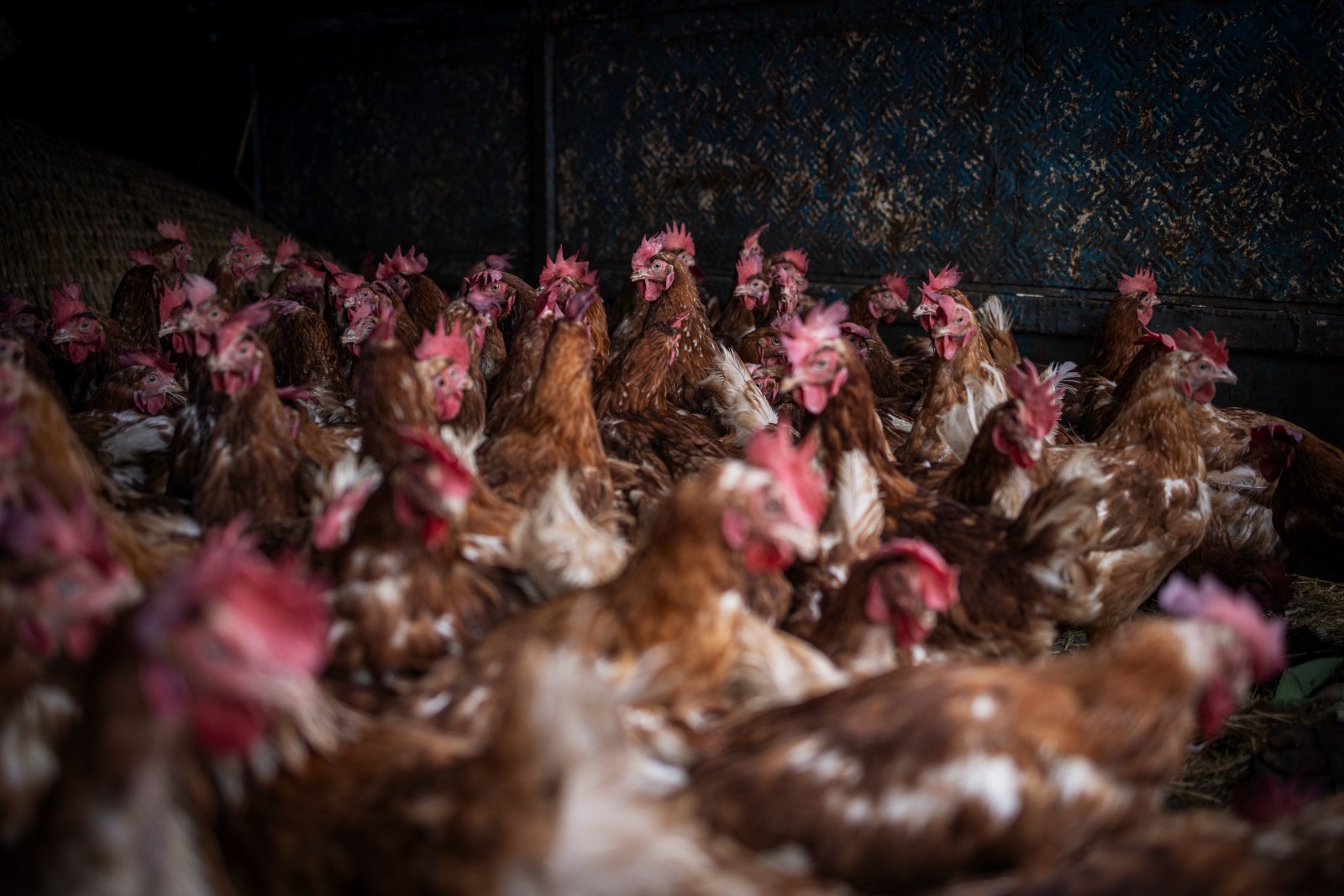
The age-old question of whether the chicken or the egg comes first finds a practical answer in Africa. Thanks to Kalkidan Nigussie, who assists small-scale farmers in the region, both the chicken and the egg are at the forefront of agricultural progress. Since 2018, the Egg Hub program, overseen by Nigussie, has significantly impacted farmers in Malawi and Ethiopia. Plans are underway to extend this impact to Rwanda and Senegal.
As part of the Egg Hub program initiated by Sight and Life, a Swiss-based think tank, around 190 farmers have been trained. This training has led to the production of over 15 million eggs, showcasing how rewarding this firsthand progression can be. Nigussie highlighted how meaningful this initiative is in a phone interview from Malawi.
Participants in the program receive comprehensive support, including training, quality feed, at least 500 birds, and an interest-free loan. Half of these farmers are women who have basic experience raising hens. The initiative aims to empower these individuals to improve their livelihoods.
Eggs serve as a nutrient-dense, cost-effective source of protein. They are essential to addressing nutrition gaps in Africa, where more than half of the population faces moderate or severe food insecurity, according to United Nations data. Looking ahead, the U.N. predicts that by 2025, nearly 67% of Africans will be unable to afford a nutritious diet. Conflicts in the Middle East, reductions in global aid, and extreme weather events such as El Niño will exacerbate hunger and food insecurity, particularly in vulnerable regions like sub-Saharan Africa. The European Commission forecasts that by 2030, up to 520 million people will be hungry, with over half residing in Africa.
From short-term fixes to sustainable solutions
Sustainable development projects are crucial for building resilience against climate shocks like drought and food price spikes due to conflicts. Sufia Askari, managing director of Sight and Life, emphasizes the importance of these initiatives for helping communities develop lasting futures. While providing food is a quick solution, sustainability requires transforming existing solutions into lasting change over time.
Currently, the foundation is collaborating with local officials and U.N. bodies to expand the Malawi program from 12 farms to 63 this year. Recruitment efforts for poultry farmers in Senegal and Rwanda have also commenced, aiming for similar success.
The program equips farmers with skills allowing them to raise birds that lay 300 eggs per year, compared to the previous 40 eggs annually. This significant increase in production has improved livelihoods and food security in participating villages. In Malawi, the program has ensured that women and children consume more eggs monthly, contributing to falling egg prices and tripled earnings for farmers, Nigussie noted.
Nigussie shared a story of a farmer whose experience transformed from survival-focused to business-oriented. Initially, her birds often died, and her income was inconsistent due to a lack of structured knowledge and support. Now, she has successfully repaid her loan, completed three production cycles, and doubled her income.
Success stories like this highlight the transformative impact of the Egg Hub program. Farmers can repay their financing, support their households, and reinvest in their businesses. Many are building additional sheds for more flocks or purchasing vehicles to transport eggs.