Endangered Species Act Changes Raise Concerns for Midwest Wildlife
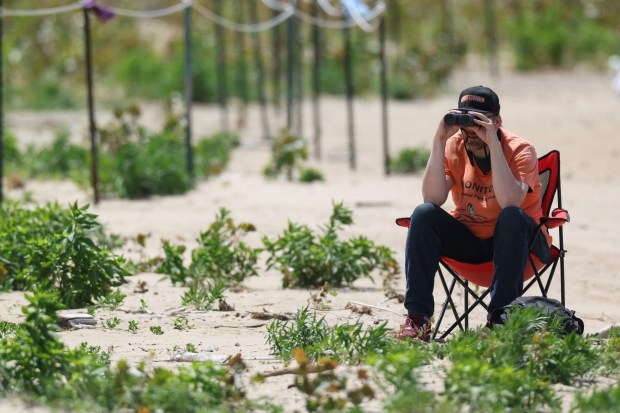
On a sunny day at Montrose Beach, with temperatures around 80 degrees, people enjoyed summer activities such as playing in the sand, soccer, and swimming. Nearby, others engaged in bird-watching, noting the presence of American herring gulls, mallards, and sanderlings. They eagerly searched for piping plovers, small shorebirds potentially at risk due to modifications in the Endangered Species Act (ESA) spearheaded by the Trump administration.
Impact on Conservation Efforts
Piping plovers have seen recovery efforts succeed, with numbers rising from a mere 13 pairs in the 1980s to about 80 pairs recently. However, changes to the ESA have redefined “harm,” excluding habitat modification, potentially threatening these birds. Ben Greuel from the Sierra Club criticized the alteration, emphasizing that the habitat is crucial for species survival.
Tamima Itani of Chicago Piping Plovers expressed concern for the birds’ winter habitats, questioning if they would remain protected. Kristen Boyles of Earthjustice noted that developers had previously needed “habitat conservation plans” for construction permits, a requirement now relaxed, which could lead to reduced protections.
Legal Challenges and Perspectives
Environmental groups, with Earthjustice’s support, are challenging the redefinitions. Boyles argues that the cited Supreme Court case does not support the reclassification. Changes effective next month may lead agencies to ignore habitat modification as harm, sparking fears of diminished environmental protective measures.
The Trump administration justified additional ESA amendments as economically beneficial. The adjustments end automatic protections for threatened species and consider factors like national security in the designation of “critical habitats.” Critics argue these changes prioritize development over conservation.
Implications for Specific Species
The whooping crane, North America’s tallest bird, and the Hine’s emerald dragonfly are among species affected. Rich Beilfuss from the International Crane Foundation highlighted the ESA’s role in preventing infrastructure projects that could harm crane populations. Historical efforts led to a population increase from 15 to over 500 cranes.
Marla Garrison from McHenry County College cautioned that specialized species such as Hine’s emerald dragonfly heavily depend on specific habitats. Factors like water sources and soil types are critical, making habitat destruction particularly detrimental.
Andres Ortega of the Forest Preserve District of DuPage County acknowledged challenges in accurately recreating natural habitats, although some restorative efforts show potential.
Local and Federal Interactions
Despite active local conservation efforts, such as the Chicago Park District’s work with piping plovers, the broader impact of federal policy changes remains significant. Alex Terrana, a local bird-watcher, appreciated the city’s efforts but acknowledged the overarching influence of federal decisions.
Ultimately, while local initiatives support regional wildlife successes, the ongoing adaptation of federal legislation like the ESA could shape the future conservation landscape.