England’s World Cup Journey with Thomas Tuchel: Expectations, Challenges, and Lessons
When the Football Association appointed Thomas Tuchel in October 2024, its ambition was clear: win the World Cup. This objective demanded an elite manager, capable of guiding England to its first World Cup victory in 60 years. Tuchel, a Champions League winner, was chosen after a potential agreement with Pep Guardiola fell through as he renewed his contract with Manchester City. Despite high hopes, England will not compete in the World Cup final at MetLife Stadium in New Jersey. Instead, they face France in a third-place play-off, repeating a scenario similar to eight years ago under Gareth Southgate.
The play-off has become burdensome rather than a new adventure for the players. Their exit in the semi-final against Argentina was especially frustrating for a team focused on winning the World Cup. Tuchel’s appointment aimed at immediate success rather than long-term rebuilding. There was genuine belief in Tuchel’s abilities. Some players and staff even considered commemorative tattoos if England ended its trophy drought. Despite the disappointment, Tuchel remains secure in his position. Clauses in his contract could have ended his tenure had England exited before the quarter-finals, but he will continue, even with Guardiola now available after leaving Manchester City.
Tuchel’s primary mission was clear: add a second star to England’s match shirt by making them world champions for a second time, a goal first set at his initial meeting with players in March of the previous year. However, Tuchel understood that talent alone wasn’t enough. England needed a unified team identity, the ‘Team England’ concept, focused on group commitment. The emphasis was on ego suppression and dedication to the cause, demonstrated after a win over Mexico in the last 16. A standout performance against Serbia exemplified this unity.
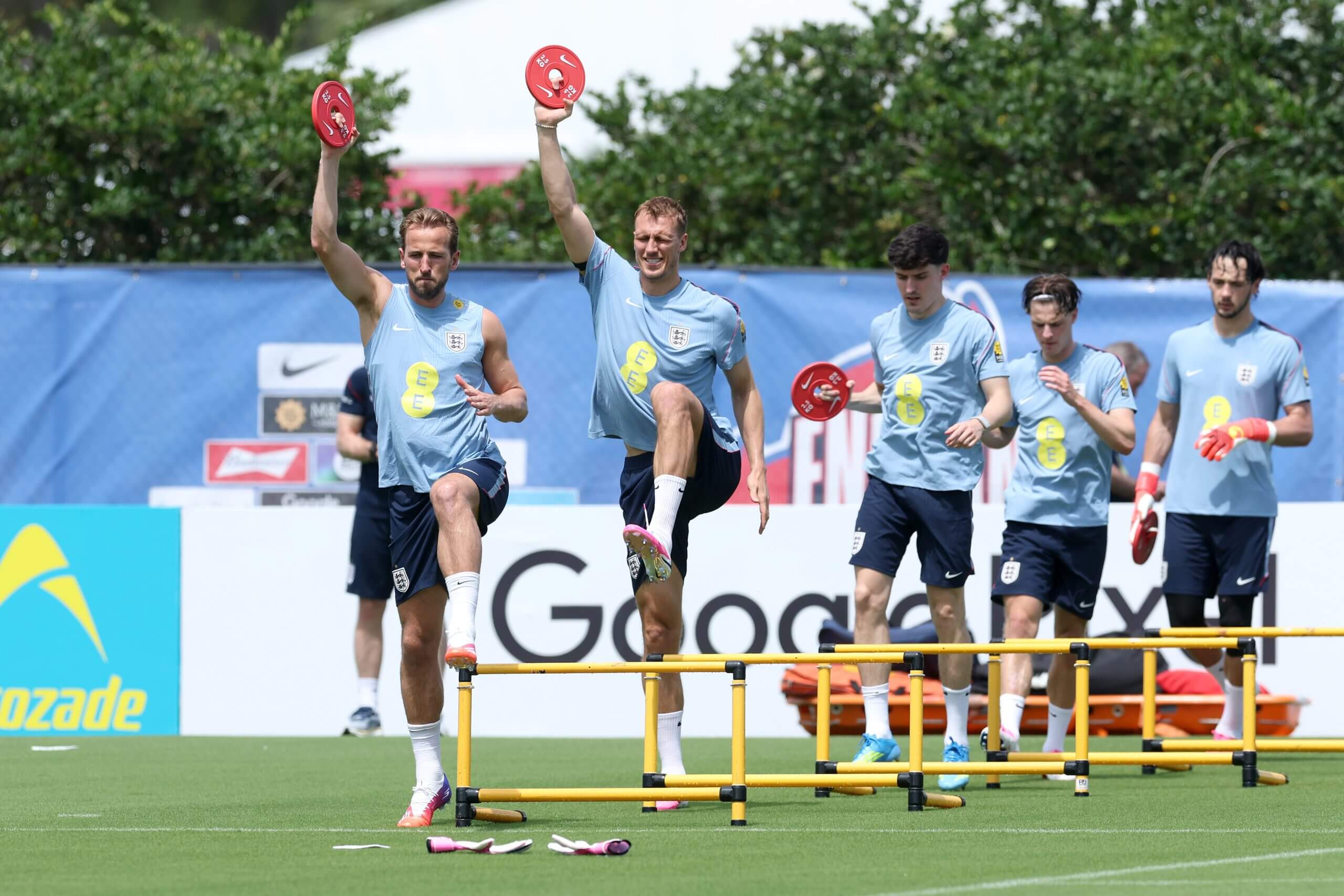
Before the World Cup, Tuchel prioritized selecting players who embraced the ‘brotherhood’ and fit well into his tactical system. This led to notable exclusions such as Phil Foden, Cole Palmer, and Trent Alexander-Arnold. Tuchel opted for a squad grounded in team ethic and physical capacity, albeit short on technical game-changers. The preparation involved finding a suitable base camp in Kansas City, balancing climate and logistical needs. A carefully chosen hotel provided comfort and recreational facilities to keep the players engaged during their stay.
Despite the generally positive atmosphere, Tuchel faced challenges with players on the squad’s periphery. Some began feeling sidelined as the campaign progressed, impacting morale. The use of young player Kobbie Mainoo was a particular point of contention, as he remained unused, even with fitness issues among key midfielders. His situation illustrated the difficulty in satisfying all players’ expectations during a prolonged tournament.
Central to England’s campaign were Harry Kane and Jude Bellingham. Kane, England’s leading scorer, was instrumental in both leadership and goal-scoring. Despite good form with two goals against Croatia and pivotal performances against DR Congo, his impact waned in crucial moments, notably against Argentina. Bellingham, whose inclusion was initially debated, proved vital. His performances, especially in the knock-out stages, underscored his evolution as a team player.
The tournament revealed difficulties in sustaining the style of play Tuchel wanted—intense and dominant. Early wins masked tactical inconsistencies that were exposed against Argentina. Despite good tactical decisions in earlier matches, Tuchel’s plans faltered in the semi-final. The team’s retreat into a defensive posture was at odds with Tuchel’s vision, leading to a disappointing exit.
Overall, this World Cup journey highlighted both accomplishments and shortcomings. England reached the semi-finals for the fourth time in history, but the ending felt painfully familiar. Critical reflections from Tuchel, players, and the FA will shape future strategies, especially with an eye on Euro 2028, to be held on home soil.