Evaluating Quercetin Supplements: Top Picks and Considerations
Understanding Quercetin and Its Benefits
Quercetin is a flavonoid found in many foods such as citrus fruits, leafy vegetables, honey, and various fruits. It has been associated with reducing inflammation and aiding with blood pressure and blood sugar control. It also offers anti-allergy and potential anti-cancer properties. Although research on quercetin is limited, it shows promise in contributing positively to health.
Top Quercetin Supplements
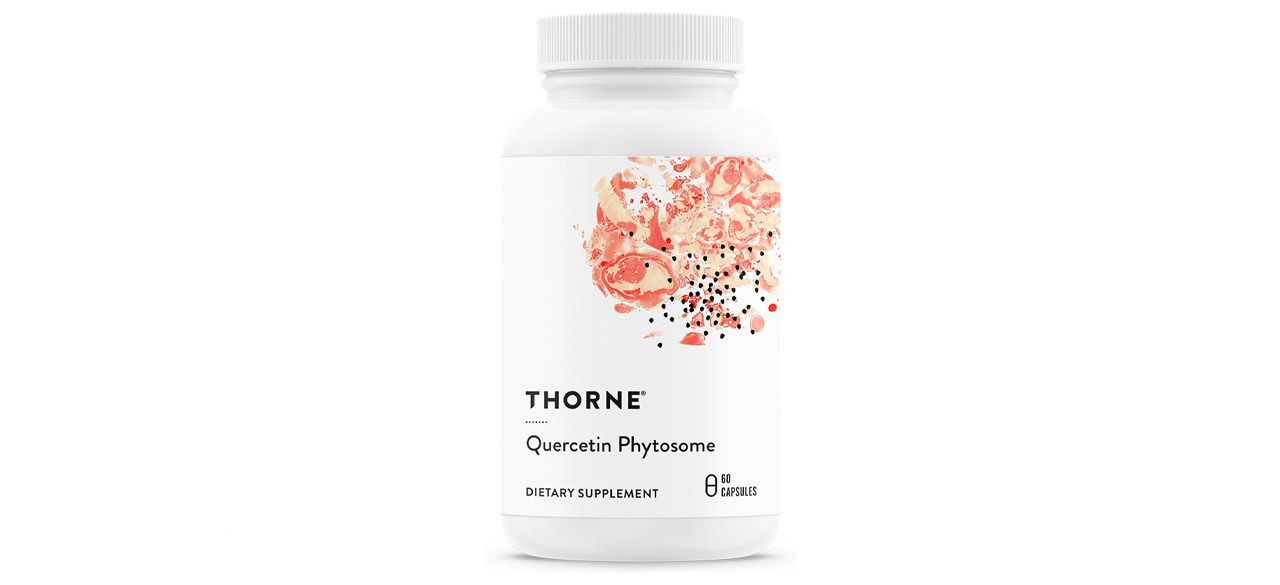
Among various supplements, Thorne Research Quercetin Phytosome stands out for its quality and efficacy. Additionally, NOW Foods Quercetin with Bromelain and Bluebonnet Super Quercetin are noteworthy options.
“Quercetin supplements provide a convenient way to incorporate this beneficial nutrient into an anti-inflammatory diet.”
Factors to Consider Before Purchasing
Free Radicals and Their Sources
Free radicals originate from several sources, including diets high in sugar and processed foods. Environmental factors like pollution and cigarette smoke also contribute. It’s vital to review your dietary and lifestyle choices to minimize free radical production.
Research Overview
Quercetin offers extensive health benefits, including inflammation reduction and support for blood pressure and blood sugar management. However, most benefits lack verification through controlled studies. Consult with a healthcare provider to ensure the supplement will meet your expectations.
Natural Food Sources
Quercetin is naturally present in foods such as apples, dark cherries, blueberries, and blackberries. Leafy greens, onions, parsley, and sage are also rich in quercetin. Additionally, red wine and tea are good sources. Enhancing your diet with quercetin-rich foods is recommended.
Choosing a Quality Supplement
Delivery Options
Quercetin supplements are available in liquid, powder, and capsule forms. Liquid options offer convenience while traveling. Powders can be mixed into drinks but may be messy. Capsules are portable but might be difficult for those with swallowing issues.
Additional Ingredients
Some supplements include ingredients to enhance health benefits. Bromelain, derived from pineapple stems, is common. Those with pineapple allergies should be cautious. Vitamin C may be added to bolster antioxidant effects.
Dosage Recommendations
Most supplements offer 500 to 1,200 milligrams daily. Experiment to find your optimal dose. Professional guidance is essential for children’s dosages.
Cost Expectations
Lower dose supplements range from $13-$18, and higher doses from $18-$25. Premium brand supplements with added antioxidants cost between $25 and $40.
Frequently Asked Questions
Possible Side Effects
Headaches and numbness are common side effects. If persistent, consult a healthcare professional.
Restrictions
Pregnant or breastfeeding women, and individuals with kidney disease should avoid quercetin. Certain prescriptions may interact with quercetin. Check with a healthcare provider before use.
Typical Dosage
Supplements typically contain 250-350 milligrams per serving. Average dietary intake ranges from 15 to 40 milligrams. A 250-milligram dosage compares to consuming around two pounds of onions. Monitor higher doses carefully, considering research limitations.
Top Recommendations
- Thorne Research Quercetin Phytosome: Offers dependable potency from a brand partnering with Mayo Clinic.
- NOW Foods Quercetin with Bromelain: Provides enhanced immune support in a non-GMO, vegan formula.
- Bluebonnet Super Quercetin: Combines multiple antioxidants in a gluten-free, vegan capsule.