Examining Changes in Title IX: Campus Sexual Assault Policies Under Scrutiny
Over a decade after The Hunting Ground documentary highlighted how colleges handle sexual assault, the issue remains hotly debated. A lawsuit filed by a former Cornell University student in 2024, alleging sexual assault by seven fraternity members, has refocused attention on how Title IX addresses these incidents.
The Role of Title IX
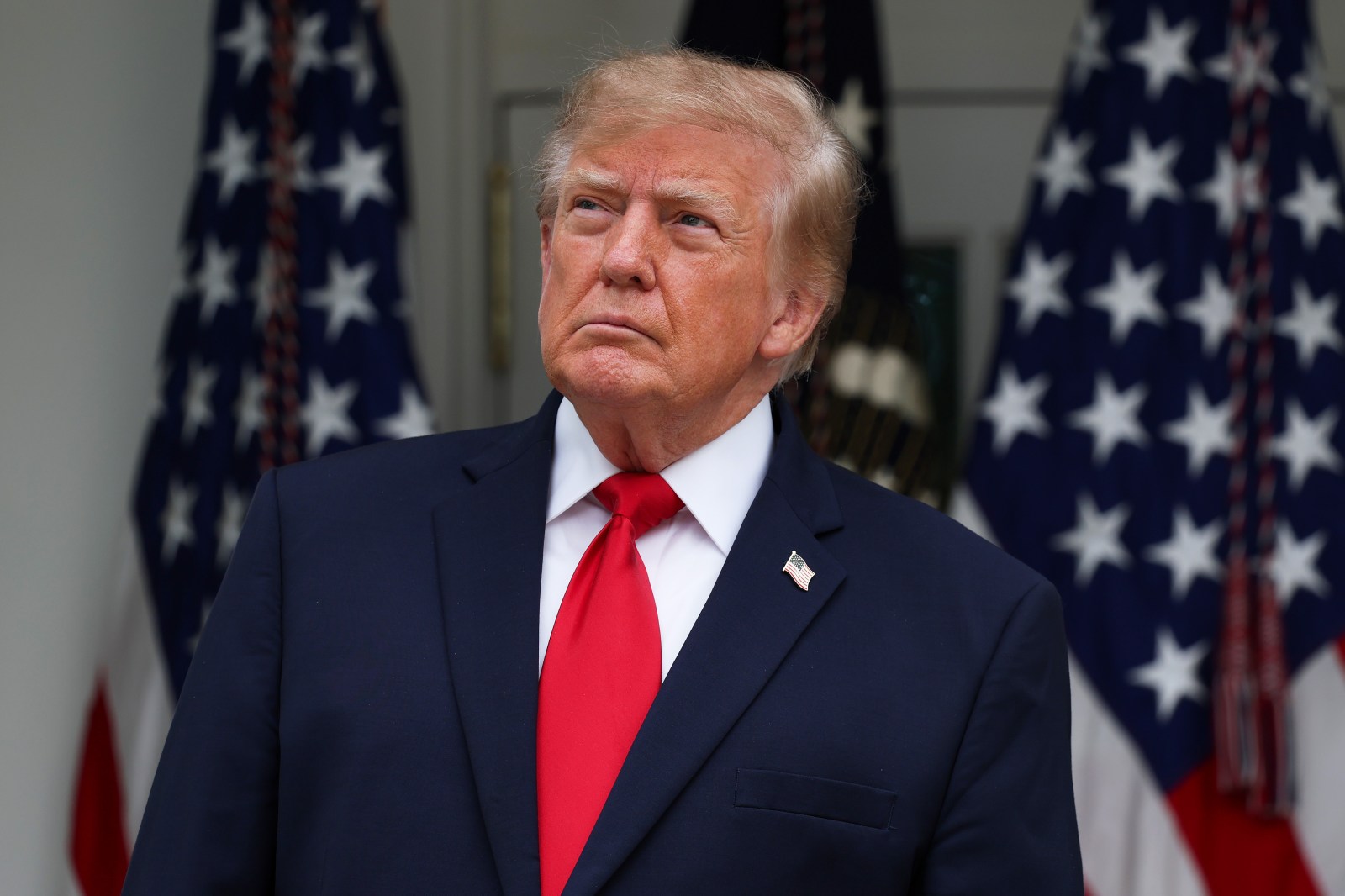
Title IX is a federal civil rights law prohibiting sex discrimination in federally funded education. Since its inception in 1972, its interpretation—especially regarding sexual misconduct—has fluctuated with different administrations. The Obama administration expanded its use to hold colleges accountable for sexual harassment and assault. In contrast, the Trump administration revised the federal rules, implementing detailed 2020 regulations.
Concerns with Title IX Regulations
Caroline Welles of The First Ask raises concerns about the 2020 Title IX framework. She emphasizes that due process, while necessary, should not deter survivors from reporting. The Trump administration significantly transformed Title IX case handling and the Education Department’s role in enforcement.
The Supreme Court views inadequate responses to sexual harassment as potential sex discrimination, prohibited by Title IX. However, the approach has evolved from Obama’s guidance to Trump’s detailed rules in 2020. After subsequent revisions by the Biden administration, legal challenges led to a reversion to the 2020 regulations.
Trump’s Title IX Revisions
The 2020 rules classify sexual harassment, explicitly including sexual assault, dating violence, domestic violence, and stalking. They outline when colleges are obligated to act, requiring knowledge of the incident by a Title IX coordinator or official. Institutions must respond without being “deliberately indifferent.”
Changes make it more challenging for allegations to meet federal obligations. The standard now requires ‘actual knowledge’ of severe or pervasive misconduct, rather than the prior standard of what institutions ‘knew or should have known.’
Impact on College Procedures
Under the 2020 rules, once a report is made, schools must provide complainants with “supportive measures.” Unlike the Obama era’s 60-day process guideline, the regulation now demands a “prompt” response, potentially leading to delays.
The focus has shifted to protect respondents, especially those with legal representation. Accused students maintain more rights, including cross-examining witnesses at live hearings. Schools must revert to the federal framework for handling sexual violence.
Challenges for Campus Investigations
Accusations at Cornell University have reignited discussions on campus sexual violence policies. In this case, despite some university sanctions, no criminal charges were initially filed. This prompted officials, like Maryland Governor Wes Moore, to demand reviews of sexual assault policies at colleges.
The question remains if college procedures and criminal justice systems effectively hold perpetrators accountable. Welles emphasizes that while universities craft procedures for handling such cases, these often prioritize institutional interests over student safety.
Outcomes of Regulatory Changes
While the Trump administration’s changes retain the core prohibitions of Title IX, the detailed procedures impact how investigations are conducted. Universities must ensure their processes protect students, amidst ongoing national scrutiny and debate over sexual violence response on campuses.