Examining the Myth of a Salary Cap in Major League Baseball
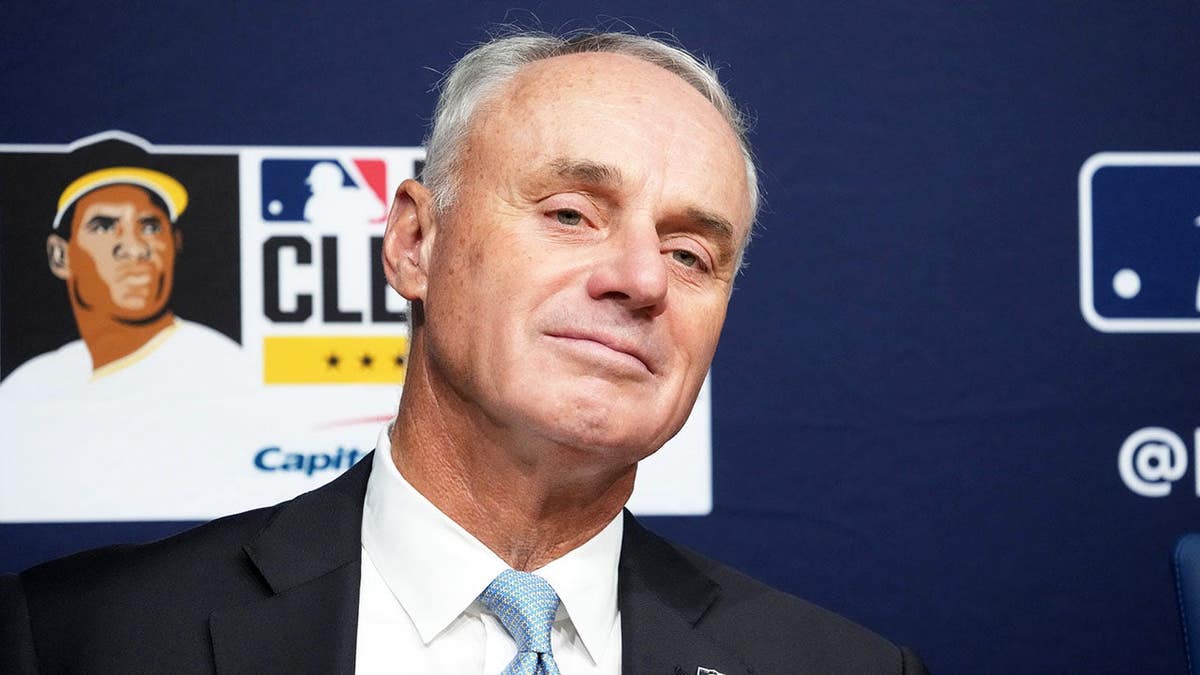
Major League Baseball (MLB) faces the possibility of a prolonged work stoppage as contract negotiations stall. The current Collective Bargaining Agreement between the team owners and the MLB Players Association expires in early December. Both sides have been negotiating since the summer without progress.
One central issue in the negotiations is the potential introduction of a salary cap, which MLB has resisted for decades unlike other leagues like the NBA and NFL. Some fans support a cap, believing it will “level the playing field,” despite evidence suggesting otherwise.
The proposed cap would have a much lower “floor,” potentially enabling small-market teams to continue spending minimally on player salaries. While such teams receive significant revenue sharing, their spending on talent remains low.
Despite the debate, recent success stories in baseball challenge the narrative needing a salary cap for competitive balance. For instance, the 2026 Milwaukee Brewers, typically not big spenders, won the World Series in a historic playoff run. They faced other low-budget teams like the Tampa Bay Rays, who have also reached the World Series multiple times in recent years.
“First, the math largely supports the Players Association’s position that baseball’s competitive balance is already strong,” notes a study by The Athletic.
Research by Eno Sarris at The Athletic used regression analysis to assess competitive balance in MLB compared to salary-capped leagues such as the NBA and NFL. The findings suggest that baseball’s competitive balance is inherently strong.
The analysis revealed that sustained high spending correlated slightly with better regular-season performance. However, it showed little impact on postseason success, which often depends more on other factors, such as talent timing and luck.
Market size and payroll have minimal effect on playoff performance. For example, “Market score,” which assesses factors like TV audiences and income, barely affects team success.
In the current Collective Bargaining Agreement period, most MLB teams have made the playoffs. The Dodgers significantly impacted payroll impacts on playoff success, but if removed from consideration, the relation between payroll and winning percentage becomes statistically insignificant.
The unpredictability of baseball often means any playoff team can experience hot or cold streaks, making the sport unique. This variance renders the argument for a salary cap weak in impacting competitive outcomes.
The belief that money can “buy” championships is a misinterpretation, as sustained high spending might yield minor regular-season advantages but does not guarantee postseason success. Owners capitalizing on this misconception risk unnecessary work stoppages to justify a cap implementation.