Expansion of Cyclospora Outbreak Linked to Shredded Lettuce
The Centers for Disease Control and Prevention (CDC), along with federal health officials, has expanded its investigation regarding the cyclospora outbreak attributed to shredded lettuce. The outbreak, initially connected to Taco Bell restaurants, now extends to Illinois, Kansas, Oklahoma, and Pennsylvania. Previously, the inquiry included Indiana, Kentucky, Michigan, Ohio, and West Virginia.
The CDC, Food and Drug Administration (FDA), and state health officials are tracing the lettuce supply’s origins. Officials are interviewing affected individuals nationwide, focusing on their diet two weeks prior to illness onset. Currently, the outbreak links with Taco Bell have resulted in 1,947 reported cases. Among these, at least 98 individuals required hospitalization, though there have been no deaths, as reported on the CDC’s website. It is likely that the actual outbreak size surpasses official reports, given that not all cases are officially documented.
Earlier this week, FDA officials identified lettuce from Taylor Farms as a potential source of the outbreak, prompting a recall of iceberg lettuce cultivated in central Mexico. Despite this, Mexican health officials reported no detection of the parasite in lettuce or water samples from Taylor Farms. Their inspection took place between July 18 and 20 and involved collecting samples of both iceberg lettuce and water for analysis.
In addition to the Taco Bell-associated outbreak, another separate cyclospora outbreak has emerged, affecting 72 individuals. However, regulators have yet to determine the specific products tied to these illnesses. Overall, cyclospora cases in the United States have reached unprecedented levels. Since May 1, the CDC has documented over 4,100 laboratory-confirmed cases and is examining more than 7,400 additional cases across 41 states.
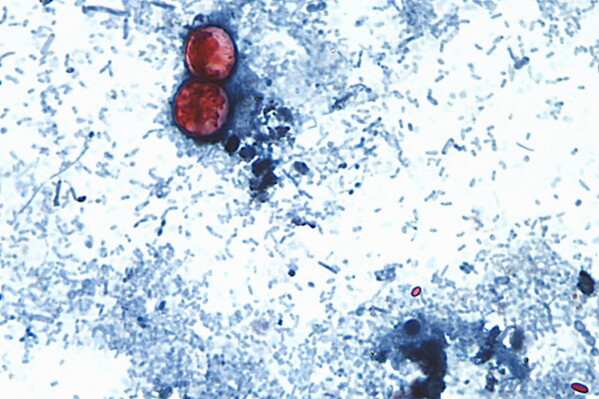
Cyclospora is a microscopic parasite typically infesting food that has encountered human feces. It frequently occurs through improperly sanitized irrigation or washing processes involving contaminated water. The resulting illness manifests through severe intestinal symptoms, encompassing frequent and sometimes explosive bowel movements, as described by the CDC.