Experimental Skin Cream Shows Promising Results in Initial Trial
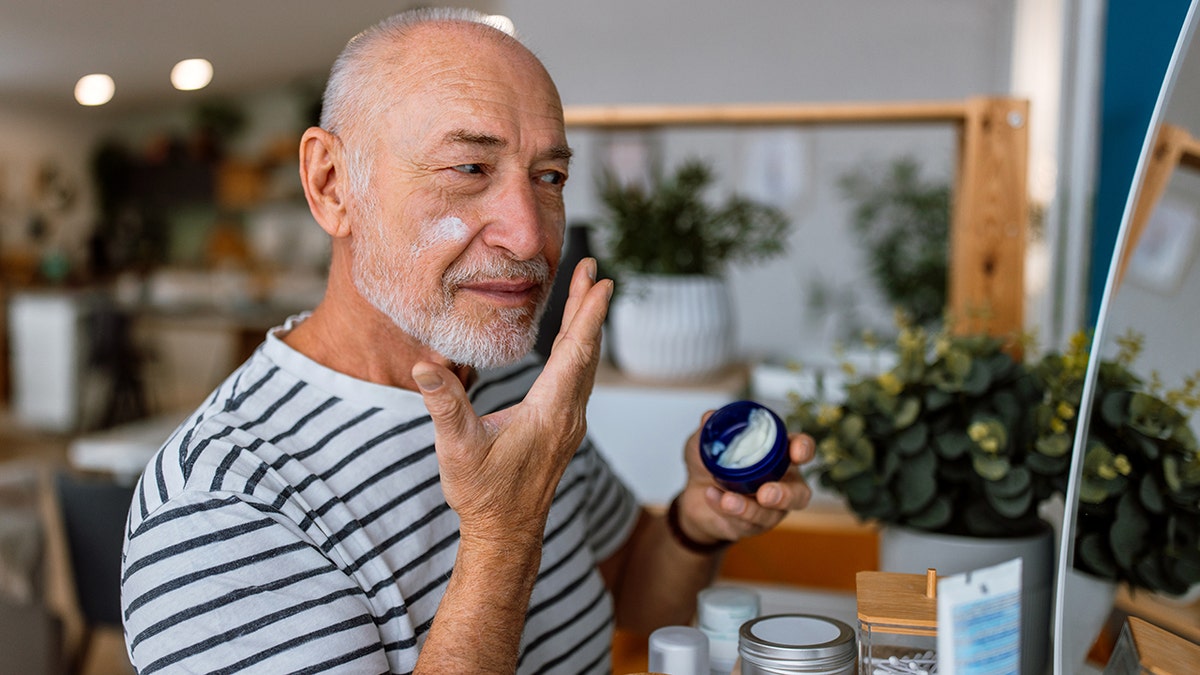
Rubedo Life Sciences, a biotechnology firm located in Mountain View, California, recently shared initial data from a trial involving their experimental skin cream, RLS-1496. This cream, tested on patients with eczema and similar skin conditions, has shown potential in altering molecular markers tied to aging and inflammation.
Research Findings
In the trial, researchers examined 11 paired skin samples from individuals with atopic dermatitis. Results indicated that after four weeks of applying the treatment, there was an average decrease of 2.1 years in the epigenetic skin age. This measure is based on age-related DNA changes.
“This is one of the few drugs developed for aging in general and with AI to show positive data in humans in multiple indications and to show a reduction in skin age,” reported Rubedo CEO Dr. Frederick Beddingfield.
Dr. Beddingfield believes this initial data could lead to further clinical improvements with extended use.
How RLS-1496 Works
RLS-1496 aims to target senescent cells, which are aging or damaged cells that have ceased dividing but may still cause inflammation. The drug focuses on a protein called GPX4, crucial for cellular stress responses. Blocking this protein might help clear damaged cells while protecting healthier ones.
Dr. Beddingfield emphasized targeting cellular aging rather than just addressing its visible outcomes. Tissue analysis during the study revealed a 10% upswing in a collagen type that supports the skin, alongside decreased inflammatory markers in the blood.
Despite these promising signs, it is unclear how these changes impact overall patient health.
Study Limitations and Future Trials
The trial’s findings, while noteworthy, come with limitations. The analysis involved only a small sample of 11 pairs and evaluated biological aging markers rather than the skin’s appearance or functionality. The study’s short duration of four weeks means the long-term effects remain unknown.
The company, which sponsored the studies, plans to extend future trials over longer periods. An initial study of RLS-1496 on 22 patients with actinic keratosis showed a 49% reduction in lesions after 28 days.
Rubedo is also exploring RLS-1496 for androgenetic alopecia, a common form of hair loss. Meanwhile, the treatment showed minimal skin irritation, with only a few participants having the drug detected in their blood.
According to Dr. Beddingfield, FDA approval could be three to four years away, contingent on larger trials. However, non-prescription cosmetic variations might become available within a year.