Expert Advice on Nutrition for GLP-1 Users
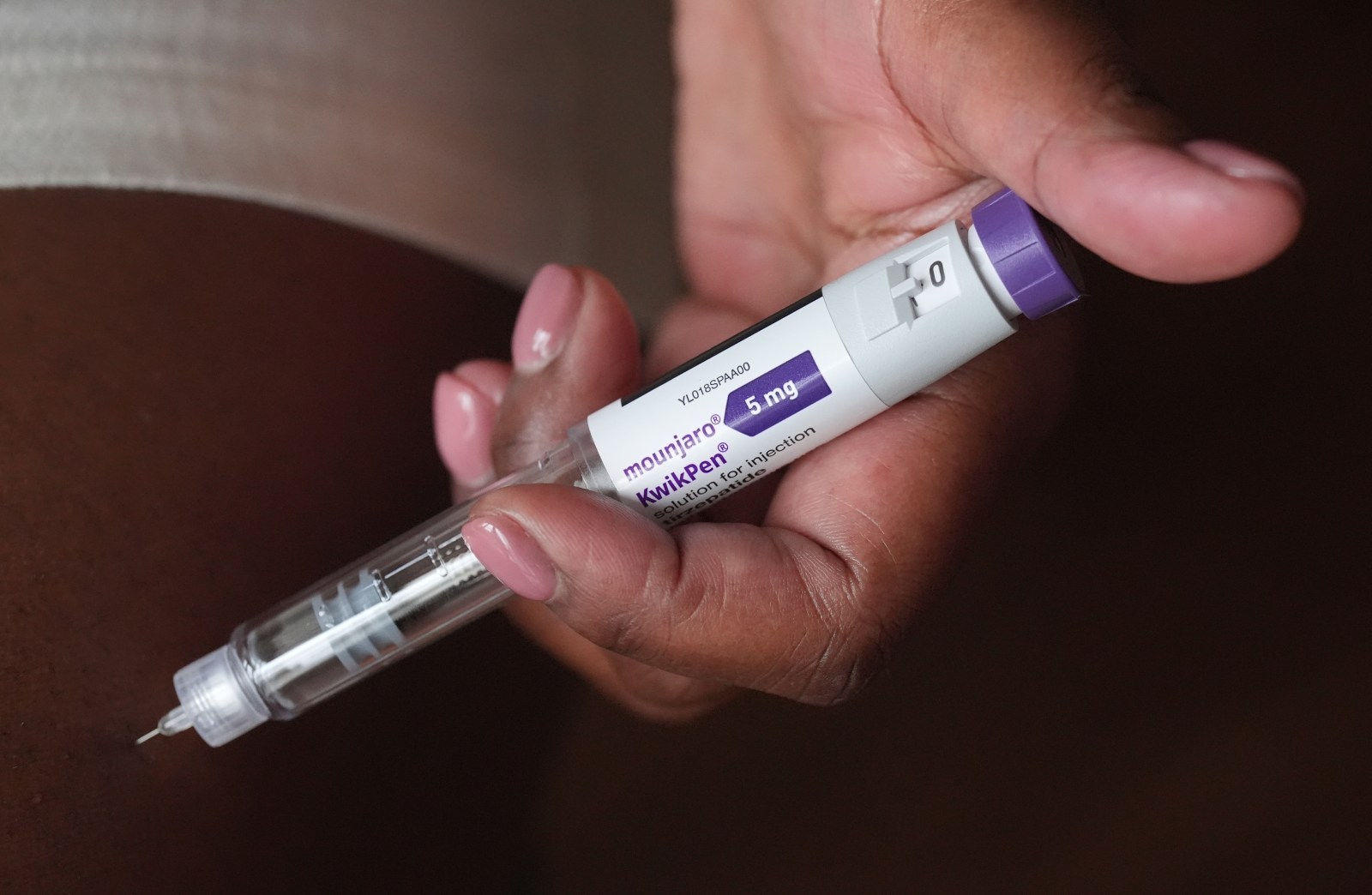
As more Americans turn to weight loss drugs like GLP-1s for managing type 2 diabetes and obesity, experts highlight potential nutrition risks. Popular GLP-1 drugs such as Ozempic and Wegovy have seen rising popularity, with data showing one in eight Americans using them by March 2026. While these drugs contribute to appetite reduction and obesity decline in the U.S., several experts express concerns about undernutrition risks.
Dr. Fatima Cody Stanford from Harvard University stresses the importance of patients being intentional about their diet while using GLP-1s. These drugs can reduce appetite, leading to insufficient protein intake and subsequent loss of lean muscle mass. This also raises concerns about deficiencies in key micronutrients like vitamin D, calcium, iron, and B vitamins.
Skipping meals or going long without eating can disrupt dietary balance, potentially causing dizziness or fatigue,Stanford noted.There’s also a risk of losing bone density and muscle mass if protein intake and resistance training are inadequate.
Gastrointestinal side effects might further cut into food intake, causing patients to avoid certain foods and exacerbate nutritional gaps. While GLP-1s are effective, healthcare professionals emphasize the need for patients to focus on dietary needs and overall health during their use.
Sobia Qasim, a superintendent pharmacist at Curely, advises against focusing solely on weight loss. The goal should be losing body fat while maintaining muscle, strength, and overall health,
she said.
Dietary Guidelines for GLP-1 Users
Stanford outlines several key dietary strategies for those using GLP-1s. These include:
- Prioritizing Protein: To preserve muscle mass.
- Regular Small Meals: To avoid undernutrition despite low hunger levels.
- Hydration: Maintain adequate fluid intake.
- Limiting Sugary and Processed Foods: Focus on foods with high nutritional value.
- Consider Nutritional Supplements: To fill any gaps in nutrition.
- Combine with Resistance Training: Essential for muscle and metabolic health.
Stanford emphasizes that GLP-1 medications should be seen as part of a broader treatment plan, integrating nutrition, physical activity, and behavioral support for sustainable outcomes.
Optimal Foods for GLP-1 Users
Pharmacists at Curely recommend focusing on nutrient-dense, protein-rich foods. Examples include edamame, fish, yogurt, seeds, and legumes. Stanford concurs with this approach, highlighting their high nutritional return in small portions.
Dr. John Batsis from the University of North Carolina suggests additions like eggs, cottage cheese, poultry, and nut butters. He stresses the individual nature of dietary choices, considering preferences, medical conditions, and gastrointestinal tolerance. Consulting a dietitian is highly recommended.
Recommended Food Substitutions
Curely pharmacists suggest everyday substitutions to enhance nutrient intake. Qasim advises viewing weight-loss medication as part of a comprehensive lifestyle approach. She stresses the importance of a varied, nutrient-rich diet and regular physical activity for long-term treatment benefits.
Broader Dietary Approaches
Patients should look beyond specific superfoods and focus on overall dietary patterns. A lean protein source should be part of every meal, along with a variety of fruits and vegetables for fiber, vitamins, and minerals.
Whole grains and legumes support energy and gut health, while healthy fats aid satiety and nutrient absorption. Stanford advises focusing on balanced, sustainable eating patterns that meet protein and micronutrient needs consistently.
Batsis concurs, highlighting the benefits of smaller meals to manage nausea or fullness. Avoiding foods with little nutritional value and combining nutrition with resistance exercise helps preserve muscle.
Persistent issues such as vomiting or severe food intake limitations require consultation with a healthcare provider or dietitian.