FBI National Crime Database Breached, Raising Concerns for Officer Safety
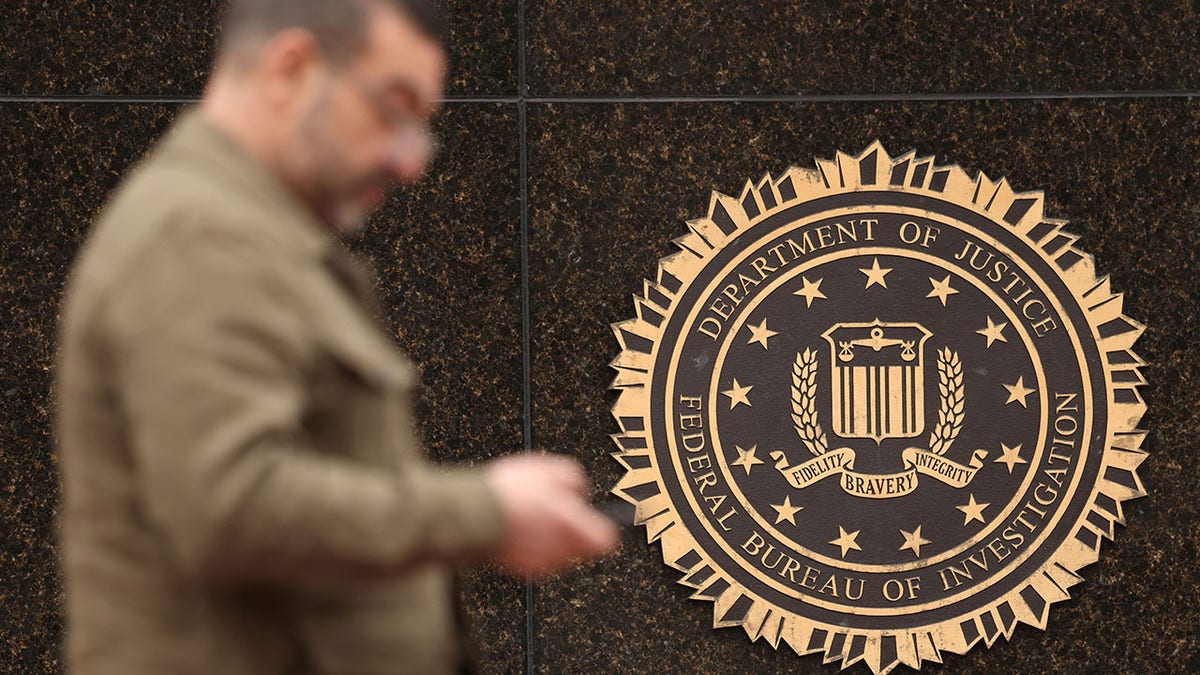
Law enforcement officials are on high alert after a reported cyber intrusion into the FBI’s National Crime Information Center (NCIC). A retired FBI supervisory special agent has expressed concerns about potential dangers to police officers if hackers altered critical records. The NCIC serves as a vital source of criminal records for patrol cars across the nation.
The breach, the second targeting the FBI in recent months, raises questions about the safety and integrity of the data used by law enforcement. Jason Pack, a former FBI agent specializing in cybercrime, stated that the bureau’s incident response team must verify whether the data within the NCIC has been manipulated. Altered information could pose significant risks to officers during routine traffic stops. While there is no current evidence of altered records or system outages, the potential consequences remain serious.
“What they worry about is if any of this data has changed, then it might affect officers’ safety on the side of the road,” Pack noted.
President Donald Trump addressed the incident in an interview, acknowledging the intrusion and expressing concern over its implications. Details emerged that hackers had breached the NCIC, marking the second cyberattack the FBI has experienced recently. The ongoing investigation seeks to uncover how the hackers gained access and whether sensitive information was compromised.
Pack described the NCIC as a crucial tool for law enforcement, connecting state terminals to hundreds of thousands of patrol car computers. This system enables officers to access warrants, criminal histories, and information on missing children, gang members, and suspected terrorists. Although the NCIC does not store classified intelligence, it contains sensitive personally identifiable information such as names, birthdates, and Social Security numbers.
Investigators are examining IP logs and system metadata to determine if a compromised password among the NCIC’s extensive user base was exploited. There is also concern about potential breaches at state terminals or through third-party vendors. Pack emphasized the increasing challenges posed by cybercriminals using artificial intelligence to identify and exploit system vulnerabilities.
“Cybersecurity experts continuously work to patch vulnerabilities while simultaneously defending against criminals intent on stealing data,” Pack explained. “We’re witnessing an escalation in the speed and frequency of these cyber intrusions.”
The recent breach follows a previous attack in September by the extortion group ShinyHunters, which targeted an FBI job portal, allegedly stealing personal records of bureau employees. This incident also coincides with a Government Accountability Office (GAO) report indicating that many government agencies have been found non-compliant with federal cybersecurity regulations.
The FBI has not issued an immediate response regarding the NCIC breach. The ongoing threat underscores the need for robust cybersecurity measures to protect critical infrastructure and sensitive data from being compromised.