Federal Court Ruling Alters Firearm Suppressor Regulations
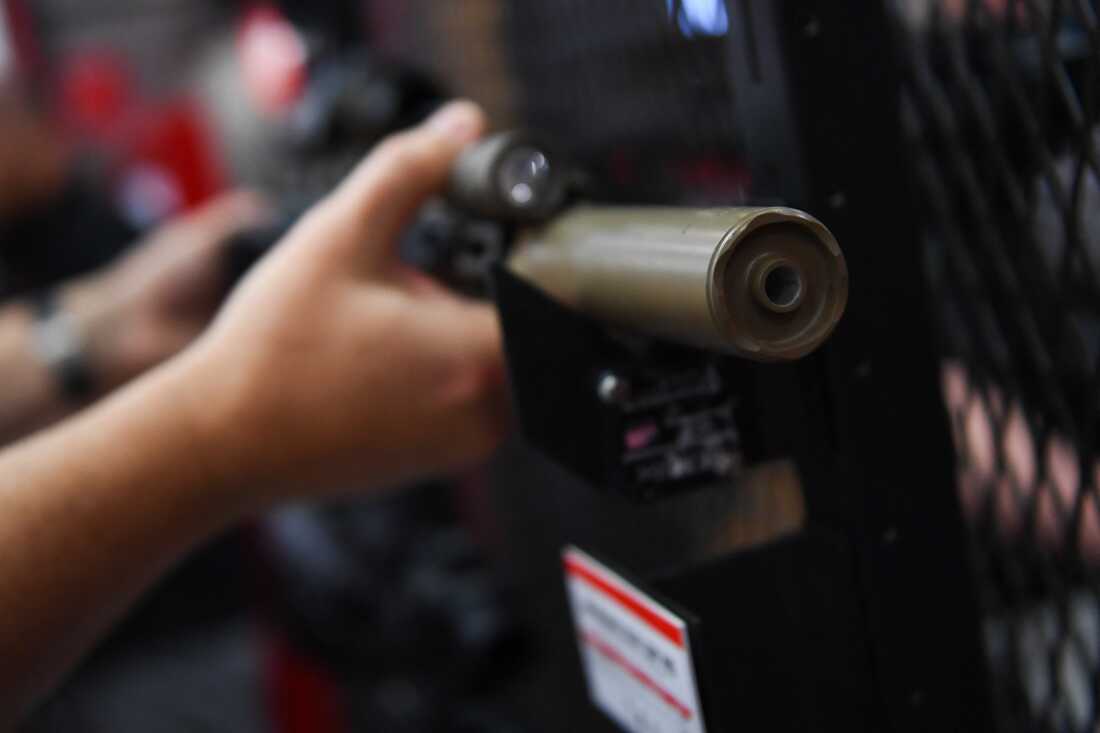
A SureFire firearm sound suppressor, often called a silencer, was showcased at the National Rifle Association (NRA) Annual Meeting in Houston, Texas on May 28, 2022. A recent court ruling has relaxed restrictions on buying suppressors.
Gun rights advocates are celebrating a federal decision that eases restrictions on silencers, which reduce the sound of gunfire, and specific firearms. Judge James Wesley Hendrix from the Northern District of Texas overturned key aspects of the nearly century-old National Firearms Act (NFA) in multiple states. He allowed the Justice Department a week to file an emergency appeal before the ruling takes effect, but the department did not do so. It has over a month to file a non-emergency appeal, though it appears unlikely. Additionally, the department is taking steps to restore gun rights to individuals with felony convictions, with exceptions for violent crimes like domestic violence and gang-related offenses, as outlined in a new rule.
The Texas ruling permits some Americans to purchase and sell these silencers and weapons without registering them federally or submitting personal identifiers such as photos or fingerprints. Gun rights advocates view the ruling as a major win. Erich Pratt, senior vice president of Gun Owners of America, stated, “This is truly one of the greatest Second Amendment victories in the last 100 years.” The decision, however, creates a patchwork of rules, as it only applies to plaintiffs in Texas.
Historical Context
The National Firearms Act arose in the 1930s amid Prohibition-era gang violence. It regulated certain rifles, shotguns, and suppressors. When Congress enacted the NFA in 1934, it aimed to control weapons considered particularly dangerous. The law imposed a $200 tax on these firearms’ manufacture and transfer, requiring owners to register them. The tax existed until 2025 when Congress passed the One Big Beautiful Bill Act, which reduced this tax to $0 for short-barreled shotguns, rifles, and silencers. Some states and gun rights groups subsequently sued the federal government, arguing that without the tax, the NFA’s requirements lacked a constitutional basis. Judge Hendrix agreed, stating Congress removed the constitutional support for these firearm regulations when it eliminated the taxes.
Gun control advocates, however, argue the ruling compromises public safety. Jack Budish, federal counsel for Everytown for Gun Safety, remarked, “It is the antithesis of public safety to now all of a sudden say, we’re going to unleash these weapons into communities and onto our streets.”
Current Impact
Importantly, the ruling is not national but specific to Texas case plaintiffs, including groups like the Silencer Shop Foundation and Gun Owners of America. It applies to certain short-barreled firearms and suppressors, as well as a unique category termed “any other weapons” by the federal government, which includes unconventional firearms such as pen or umbrella guns. Some states may still enforce additional rules and registration forms under the federal Gun Control Act. Erich Pratt advises consulting a lawyer before foregoing registration due to the legal complexities.
Moving Forward
Other challenges to the NFA are ongoing in Missouri and Kentucky. The Department of Justice defends the NFA in these cases. Although the DOJ has not disclosed future appeal plans, it stated, “The Department respects Americans’ Second Amendment rights and is currently assessing the impact of the court’s ruling.” Gun rights groups and Republican lawmakers are pushing for nationwide application of this ruling.
The Bureau of Alcohol, Tobacco, Firearms, and Explosives announced it is still processing forms according to the law. Similar to Gun Owners of America, the ATF advises individuals to consult with an attorney for personalized legal advice. Despite the legal uncertainty, Erich Pratt views the case as a major victory, believing in gradual progress towards deregulation, saying, “In the end, freedom is advancing. We’re slowly dismantling the regulatory shackles that have bound gun owners for generations. Each victory builds upon the last one.”