Federal Government Challenges Local Reparations Programs
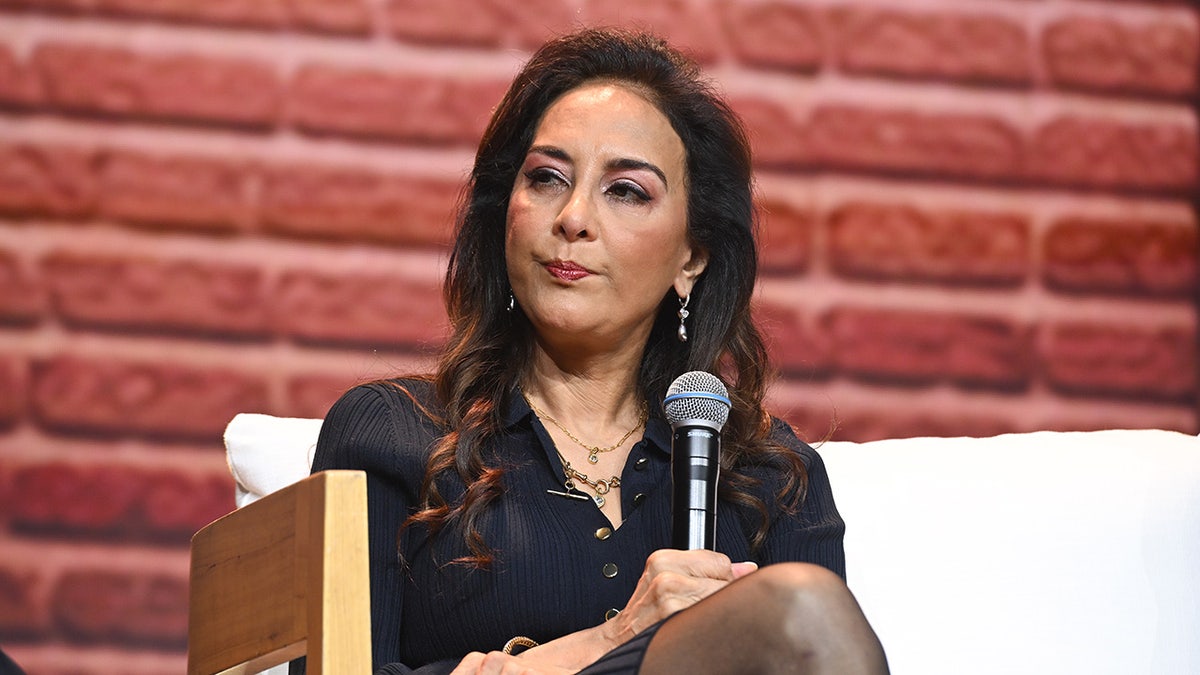
The federal government has expressed its opposition to reparations programs in the U.S., accusing state and local officials of engaging in acts of “virtue signaling” with the intention of gaining votes. Assistant Attorney General Harmeet K. Dhillon from the Department of Justice (DOJ) Civil Rights Division stated that their approach aligns with recent Supreme Court decisions. Dhillon emphasized that individuals should be evaluated on personal merit and not grouped into racial categories.
Dhillon argued that the reparations initiative conflicts with the Constitution due to its inability to withstand the required strict scrutiny associated with racial classifications and government benefit distribution. This follows the DOJ’s involvement in a class-action lawsuit challenging Evanston, Illinois’s “Local Reparations Restorative Housing Program.” The DOJ claims that this Chicago suburb’s program illegally allocates public benefits based on race and ancestry.
The beneficiaries of this program are not individuals who have been directly discriminated against due to any government action.
Dhillon expressed concern over the notion of wealth redistribution without a narrowly defined necessity for racial classifications. The DOJ’s complaint suggests the program violates the Equal Protection Clause of the Fourteenth Amendment and the Fair Housing Act, as assistance is distributed based on race.
Since its approval in 2019 and launch in 2021, Evanston’s program has aimed to grant $25,000 to eligible Black residents or descendants for home purchases, mortgages, repairs, or as cash. The requirement is for applicants to be Black and have lived in Evanston from 1919 to 1969, a period marked by documented housing discrimination and redlining.
This initiative has fueled a national debate on racial reparative justice. Although supporters see it as crucial for closing economic disparities, the federal government argues that it’s not effectively tailored, considering race as the sole criterion without proof of individual harm from city policies.
The legal challenge began in May 2024 when Judicial Watch filed a lawsuit on behalf of six non-Black residents, arguing their exclusion from the program. U.S. District Judge John F. Kness allowed the case to proceed after denying the city’s request to dismiss it. The DOJ also launched a civil rights investigation into Evanston’s practices.
To date, Evanston has distributed over $7 million of a $20 million fund, sourced from local marijuana sales taxes. This year, the city expanded funding with additional payments to 44 residents. Despite the DOJ’s intervention, Evanston defends its program’s legality but refrains from commenting on active litigation.
Other cities and states, such as Illinois, are exploring similar reparations. Dhillon mentioned plans to examine programs like Asheville, North Carolina’s.
The DOJ has notified Buncombe County, North Carolina, of potential actions depending on decisions from their Community Reparations Commission.
For further updates and analysis on cultural trends, education, and public policy, Joshua Q. Nelson, a reporter for Fox News Digital, can be contacted through his provided email and social media channels.