Federal Judge Halts New SNAP Funding Conditions
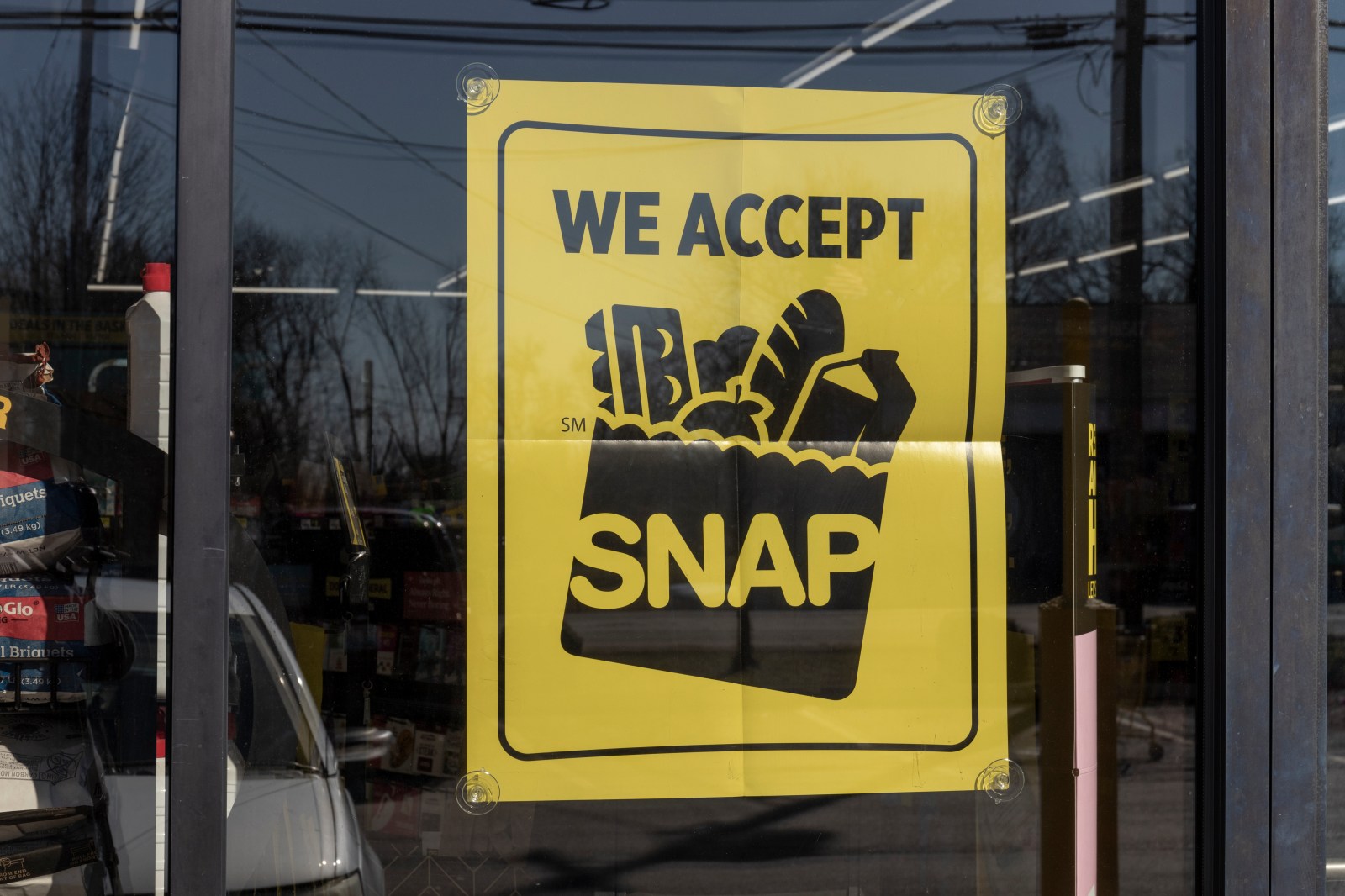
A federal judge has stopped the Trump administration from enforcing new conditions on billions of dollars in Supplemental Nutrition Assistance Program (SNAP) funding. This decision came as a response to a legal challenge by 19 states led by Democrats, along with Washington, D.C., which argued that these conditions threatened programs aiding low-income families.
U.S. District Judge Myong Joun granted a preliminary injunction against the U.S. Department of Agriculture’s (USDA) new funding requirements. The litigation focuses on the opposition from states to these conditions, which claim they could jeopardize vital support for families. Government attorneys argued in favor of the requirements, stating they aimed to improve federal fund oversight. A memorandum detailing the judge’s reasoning will follow.
Background on SNAP
SNAP provides benefits to low- and no-income households to purchase groceries. Around 38 million Americans benefit from this program, with participation decreasing significantly since President Trump’s second administration started in January 2025.
Newsweek has reached out to the USDA for comments outside of standard working hours.
States Challenge USDA
The lawsuit, filed in March 2026 by a coalition of Democratic-led states, contends that the USDA unlawfully imposed requirements on federal funding approved by Congress. These states, receiving over $74 billion annually from the USDA, claim the new conditions, effective from the end of 2025, could endanger key programs. The conditions, known as the “2026 Conditions,” apply to all USDA programs and agreements.
The lawsuit challenges requirements related to “gender ideology,” “immigration,” and “fair athletic opportunities” for women and girls. Attorneys general argue these conditions impose unconstitutional barriers between Congress-created programs and states. The lawsuit claims the USDA lacks the authority to enforce these conditions and violated the Constitution’s Spending Clause by not following required procedures.
Programs potentially affected include SNAP, school lunch programs, and the Women, Infants, and Children (WIC) program. States involved in the lawsuit include Massachusetts, California, Illinois, and several others.
Administration Defends Policy
Government lawyers opposed the preliminary injunction, maintaining that the requirements aim to enhance oversight of federal funds. In court documents, they argued for the importance of these conditions for promoting taxpayer funds’ stewardship and ensuring compliance with federal laws.
The Trump administration asserts that if states need to comply with federal anti-discrimination laws to receive funding, similar treatment should apply to other policies.
Reactions from State Attorneys General
Massachusetts Attorney General Andrea Joy Campbell expressed support for the ruling on Bluesky, stating, “When Trump tried to cut billions in USDA funding for states opposing his anti-immigrant agenda, we sued. The court’s decision has halted these cuts while our case proceeds. Protecting food assistance for families is crucial.”
New York Attorney General Letitia James, on X, wrote, “We won a court order safeguarding billions in USDA funding as our lawsuit progresses. My office remains committed to protecting New Yorkers and resisting federal pressure to conform.”