Fiona the Hippo’s Tragic Passing Sparks Public Debate on Parenting
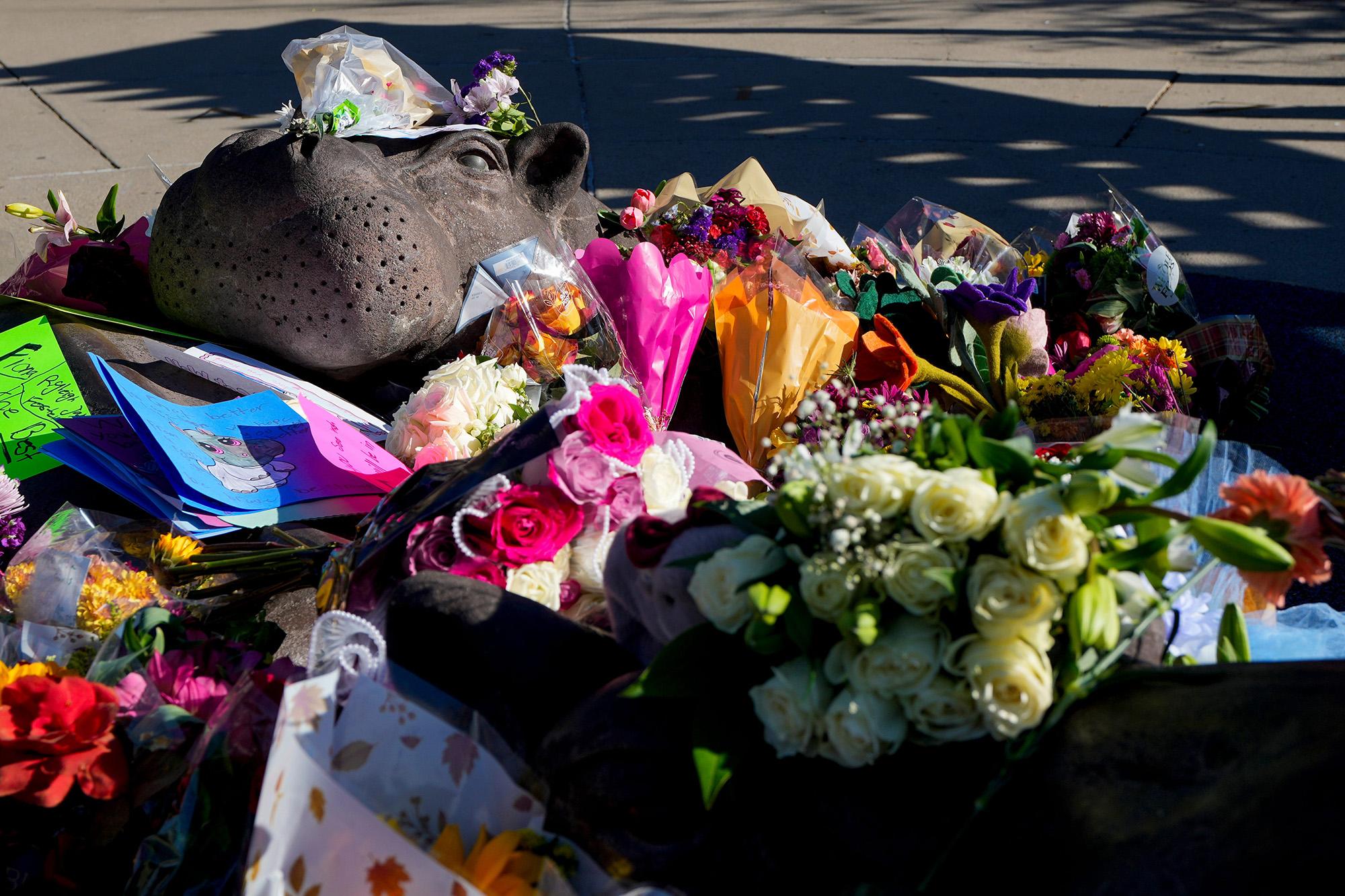
Visitors at the Cincinnati Zoo & Botanical Garden gathered to mourn the beloved hippo, Fiona, who passed away on November 20, 2026. This tragic event occurred after a child inadvertently threw a knit cap into Fiona’s enclosure.
The incident happened when a child tossed a hat into the air, which was then caught by a ceiling fan and flung through a small gap in the enclosure’s glass. Fiona swallowed the hat, leading to her untimely death, despite efforts to help her. This unusual accident led to a strong reaction online.
Many online users expressed outrage, with some suggesting legal action against the child’s family. Social media comments reflected a widespread sentiment of holding the family accountable for the veterinary costs associated with Fiona’s demise.
The family of the child who killed Fiona the hippo should AT THE VERY LEAST be held legally responsible for the veterinary expenses,read one post widely praised on X.
Rumors circulated about the specifics of the accident, but the zoo described the event as an unfortunate accident, stating, “We probably couldn’t make that happen again if we tried.”
Comments also surfaced questioning parental supervision at zoos. Suggestions included implementing a one-to-one adult-to-child ratio, a proposal critiqued for its impracticality.
America’s attitude towards children in public spaces became a subject of discussion. Fewer American children and increasing intolerance in public spaces have led to debates about children’s behavior and parental discipline.
Fiona’s death highlighted not just the sorrow for the lost animal but also society’s challenges in accepting children’s unpredictable nature. The incident shed light on the broader issue of how children’s public behavior is perceived and the expectations placed upon parents.
Overall, the death of Fiona is a reminder of the complexity of parenting dynamics in a society increasingly less familiar with the nuances of raising children.