First Responders Still Grappling with 9/11 Health Impacts
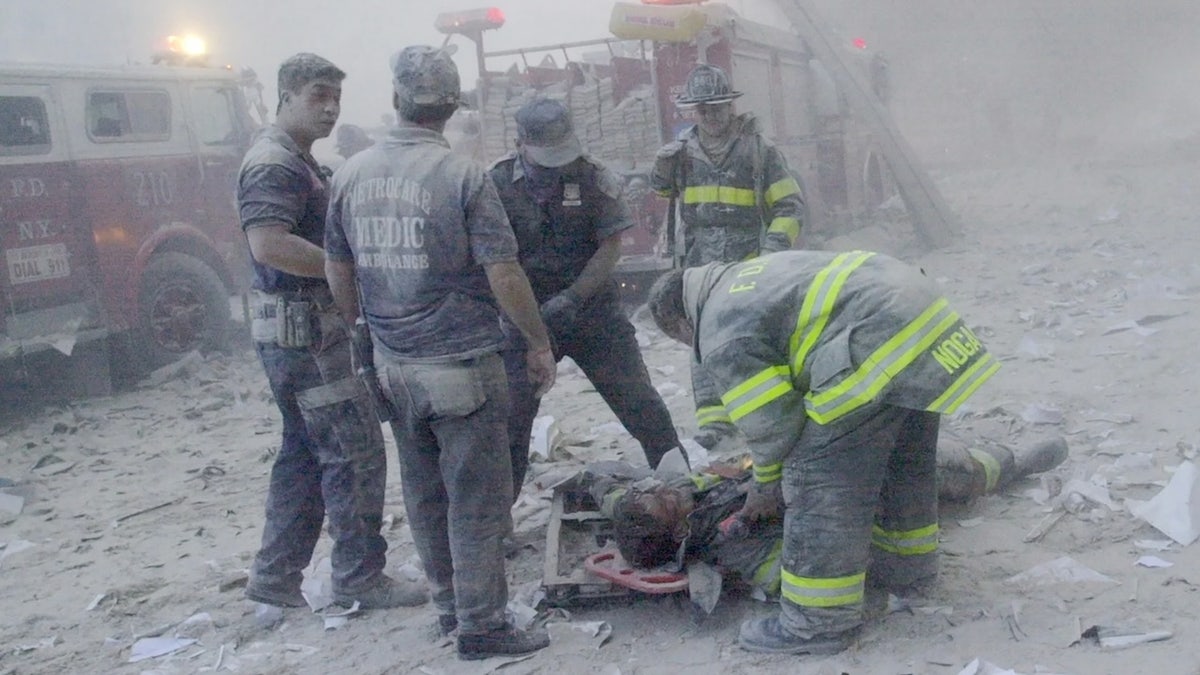
Those present at Ground Zero on September 11, 2001, continue to suffer from the physical effects of their exposure. Dust and debris from the collapsed towers engulfed Lower Manhattan, forcing first responders and survivors to inhale toxic air. The World Trade Center Health Program states over 400,000 individuals faced toxic contaminants, physical-injury risks, and stressful conditions following the attacks.
Exposure and Health Consequences
As of March 2025, the WTC Health Program recorded 8,215 deaths among its enrolled members, including 5,844 responders, as reported by the CDC. These figures account for all causes of death; there is no specific tracking for 9/11-related deaths.
Volunteer EMT Mordechai Shedrowitzky shared his experience of long-term health struggles post-9/11 with Fox News Digital. Living in Brooklyn at the time, Shedrowitzky offered aid in his local area before heading into Lower Manhattan later that day.
He described entering Manhattan from Brooklyn as haunting. “As we approached the tunnel, the lack of lights and electricity made the area pitch black,” he recalled.
“When we entered the tunnel, debris swirled around at unimaginable speeds.”
At South Street Seaport, Shedrowitzky and his team encountered overwhelming debris. “The engine even sputtered,” he noted, attributing it to high dust intake.
Shedrowitzky’s Battle with Health Issues
Years after leaving the scene, Shedrowitzky developed worsening symptoms. His asthma exacerbated, requiring oral steroids and frequent hospital stays due to respiratory infections. “Asthma symptoms worsened annually and led to frequent infections,” he explained. His condition was ultimately deemed 9/11-related by the WTC Health Program.
In 2019, Shedrowitzky’s condition further deteriorated despite aggressive treatments. Diagnosed with tracheobronchomalacia, where airway walls weaken and collapse, he underwent a tracheobronchoplasty in 2024 to strengthen his trachea.
Two years post-surgery, Shedrowitzky feels “much better,” hopeful to resume work as a physical therapist soon. “Previously, speaking for extended periods was impossible,” he shared. As a father and grandfather, health issues previously affected his ability to spend time with family.
Tackling 9/11-related Health Challenges
Dr. Denise Harrison, of the NYU Grossman School of Medicine WTC Health Program, has supported post-9/11 healthcare since 2002. The program provides screening, monitoring, and treatment for those affected. Harrison mentioned the highly alkaline dust of 9/11, irritating the airways and digestive tract.
Common health issues include sinus problems, asthma, COPD, and gastroesophageal reflux disease. These conditions can complicate diagnosis and treatment due to overlapping symptoms.
Harrison stressed the importance of patience, noting health effects remain persistent and research is ongoing.
“Symptoms and research continue, urging patience and monitoring,” she emphasized.
Shedrowitzky urged responders to seek help and consider potential links to 9/11 exposure.
The WTC Health Program, with over 130,000 enrolled members as of March 2025, operates through multiple health systems, and continues to address the persistent health impacts affecting responders.