Fiscal Challenges and Policy Implications in the U.S.
The recent conclusion of the 2026 midterm elections brought with it a record-breaking expenditure of $11.9 billion on campaign ads, according to OpenSecrets. This figure starkly contrasts with the $2.9 billion allocated by the EPA earlier this year for replacing lead pipes, highlighting the significant investment in political campaigns.
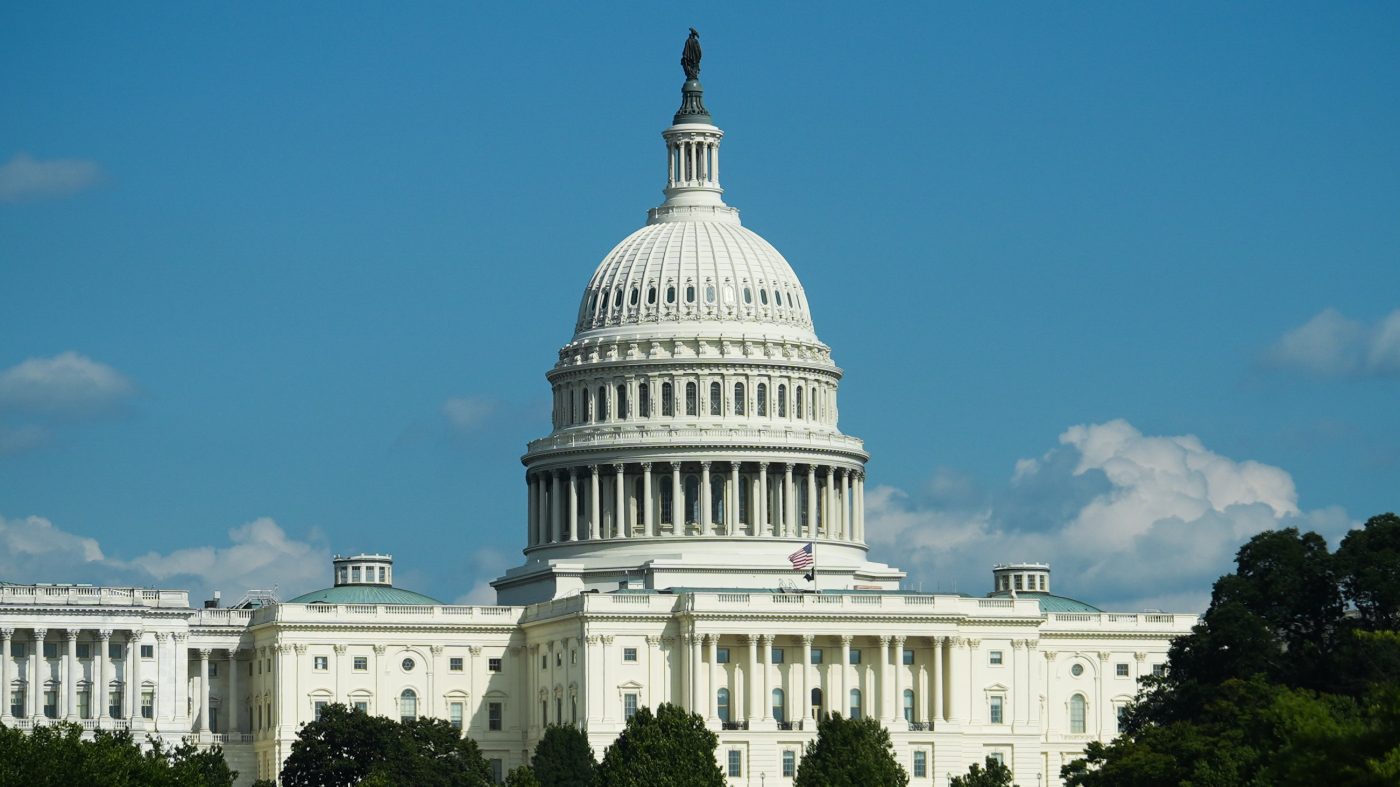
As Congress reconvenes on November 9, the focus turns to the upcoming expiration of government funding on December 11. Historically, the term ‘lame duck’, originating from 18th-century London, referred to traders who defaulted on debts. This term aptly describes the government, which has been running a deficit for 25 consecutive fiscal years. In fiscal 2026, the deficit reached $1.99 trillion, with interest payments exceeding $1 trillion, now ranking third after Social Security and Medicare. These interest payments alone consumed 19 percent of total federal revenue.
This persistent deficit underscores the ongoing national debt issue, surpassing $40 trillion. The government’s current approach effectively involves only servicing interest on this growing debt. Both Democratic and Republican parties are contributors to this spending trend.
Addressing this debt problem requires restraint in spending coupled with economic growth. A positive sign of growth is evident from the Bureau of Economic Analysis, which reported $232.2 billion in foreign investments into U.S. businesses in 2025, marking a 49.5 percent increase from 2024. Manufacturing received $121.8 billion of this, with Japan being the largest investor at $50.5 billion.
Despite promises of relief from rising living costs, policies like the $1.9 trillion American Rescue Plan have influenced inflation. The San Francisco Fed estimated its contribution to inflation at about 0.3 percentage points annually through 2022. Economists generally agree on this inflation impact.
California presents an example of state-level policies impacting costs. A 12-cent gas tax increase from 2017 and low-carbon fuel standards have significantly raised fuel prices. AAA placed the average gas price in California at $5.94 per gallon compared to the national average of $4.22. Moreover, the $20 fast-food wage in California has elevated restaurant prices by 3.3 to 3.6 percent.
Federal immigration policies further strain local budgets. The Congressional Budget Office noted a migration surge starting in 2021 cost state and local governments $9.2 billion net by 2023, with major expenses in education, shelter, and border security.
“There are no solutions, only tradeoffs.” — Thomas Sowell
This resonates with the fiscal decisions faced by Congress. Critics argue spending cuts hurt vulnerable populations, but excessive interest payments restrict beneficial programs. The Congressional Budget Office predicts net interest to reach $2.5 trillion annually by 2036.
To address these fiscal issues, some suggestions include passing full-year appropriations below this year’s levels and enforcing spending caps tied to any debt limit increase. New programs should identify funding offsets pre-vote, aligning with household and business financial practices.
Now is a critical moment for politically challenging but necessary fiscal decisions. Both parties managed to fund $11.9 billion in campaign ads, indicating the capacity to also prioritize fiscal responsibility. Future generations will evaluate today’s fiscal management.