Florida’s Education Choice Scholarships: Expanding Opportunities for Students and Teachers
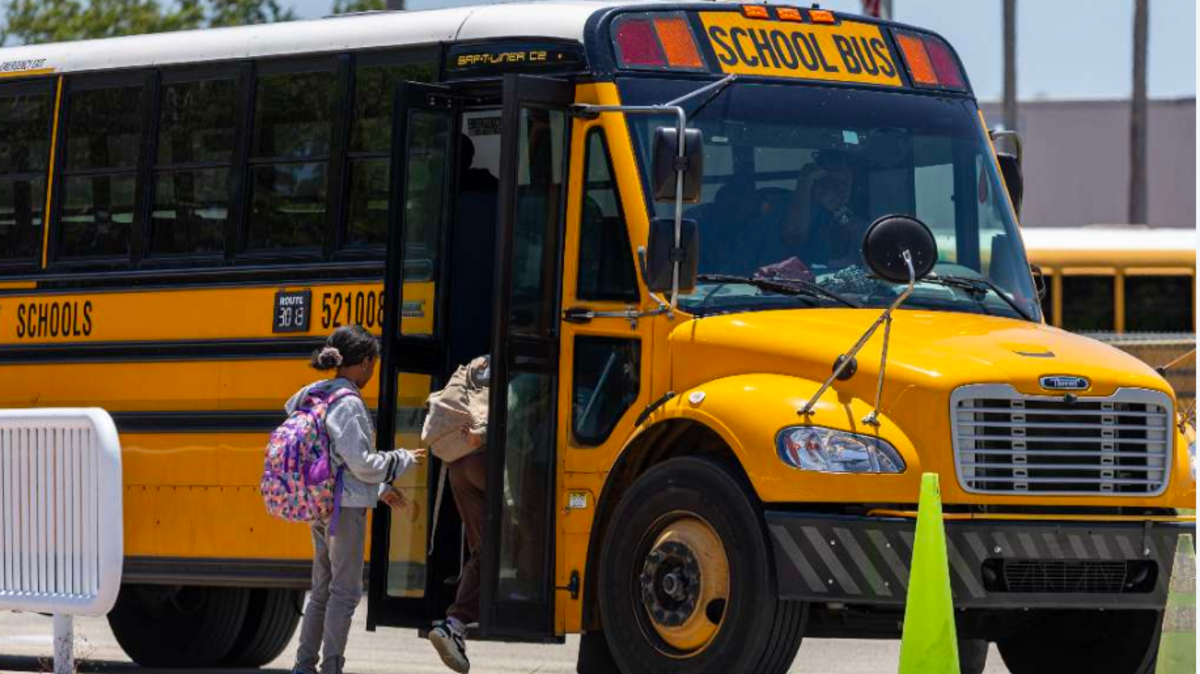
More students in Florida are attending schools outside their attendance zones. This shift allows families to explore educational choices that fit their children’s needs better than traditional district schools.
Karen Moreland-Alford, a former educator from Broward County, transformed Moreland’s Alternative Educational Academy in Pompano Beach into a thriving Christian K-12 school. The school has nearly 200 students, many of whom have transitioned from underperforming environments to considering college for the first time. Parents report their children are now thriving in a safe and supportive environment. Moreland-Alford attributes the success of her school to Florida’s education choice scholarships, stating the school wouldn’t exist without them.
These scholarships do more than offer options; they empower educators to establish new schools. By safeguarding these scholarships and facilitating the process, Florida can pave the way for more educators to follow suit. Suggestions include allowing new schools to use public buildings, providing start-up support, and reducing bureaucratic hurdles.
Over two decades, many public school teachers and principals in Florida have opened their own schools, particularly in low-income and rural areas. Some prefer faith-based education, while others focus on specific disabilities. The concept is simple: funding follows the student. Educators can start schools in poorer neighborhoods with the assurance of financial support through state scholarships, approximately $9,000 per student and more for those with disabilities.
However, a significant barrier remains: finding a suitable location. Without access to taxpayer dollars for facilities, many start with small student numbers in church classrooms or retail spaces. Critics often see these spaces as indicators of low quality, but parents choose them based on trust in the educators and the quality of instruction rather than infrastructure. Opening vacant public buildings to new schools would enable faster growth of successful models.
Research supports this. The Urban Institute found that low-income students using Florida’s tax credit scholarship enrolled in college at higher rates compared to their peers in district schools. Unlike district schools, these new schools face a continuous test as parents can leave if dissatisfied.
Even school districts are recognizing the benefits of this competition. In a notable example, after teachers launched Wonderhere, a Montessori-based micro-school, parent demand led to expansion and collaboration with local districts. The district proposed opening a Wonderhere within a Title I school, showcasing innovation driven by competition.
According to the James Madison Institute, over half of Florida’s K-12 students funded by taxpayers attend schools outside their districts. Education choice is increasingly integral to public education in Florida.
However, this progress faces challenges from opposition to choice scholarships. Eliminating them would reduce options for low-income families and hinder teachers with innovative ideas. For twenty years, Florida has demonstrated the positive impact of trusting parents and empowering educators. Now is the time to expand on this foundation.
Ask the young students at Moreland’s Alternative Educational Academy in Pompano Beach; they already recognize their own potential.
Erika Donalds is a former Collier County School Board member, an education entrepreneur, and CEO of the Education Freedom Foundation. She is married to Republican gubernatorial candidate Byron Donalds.