Florida’s Milestone Inspections Reveal Structural Concerns in High-Rise Condos
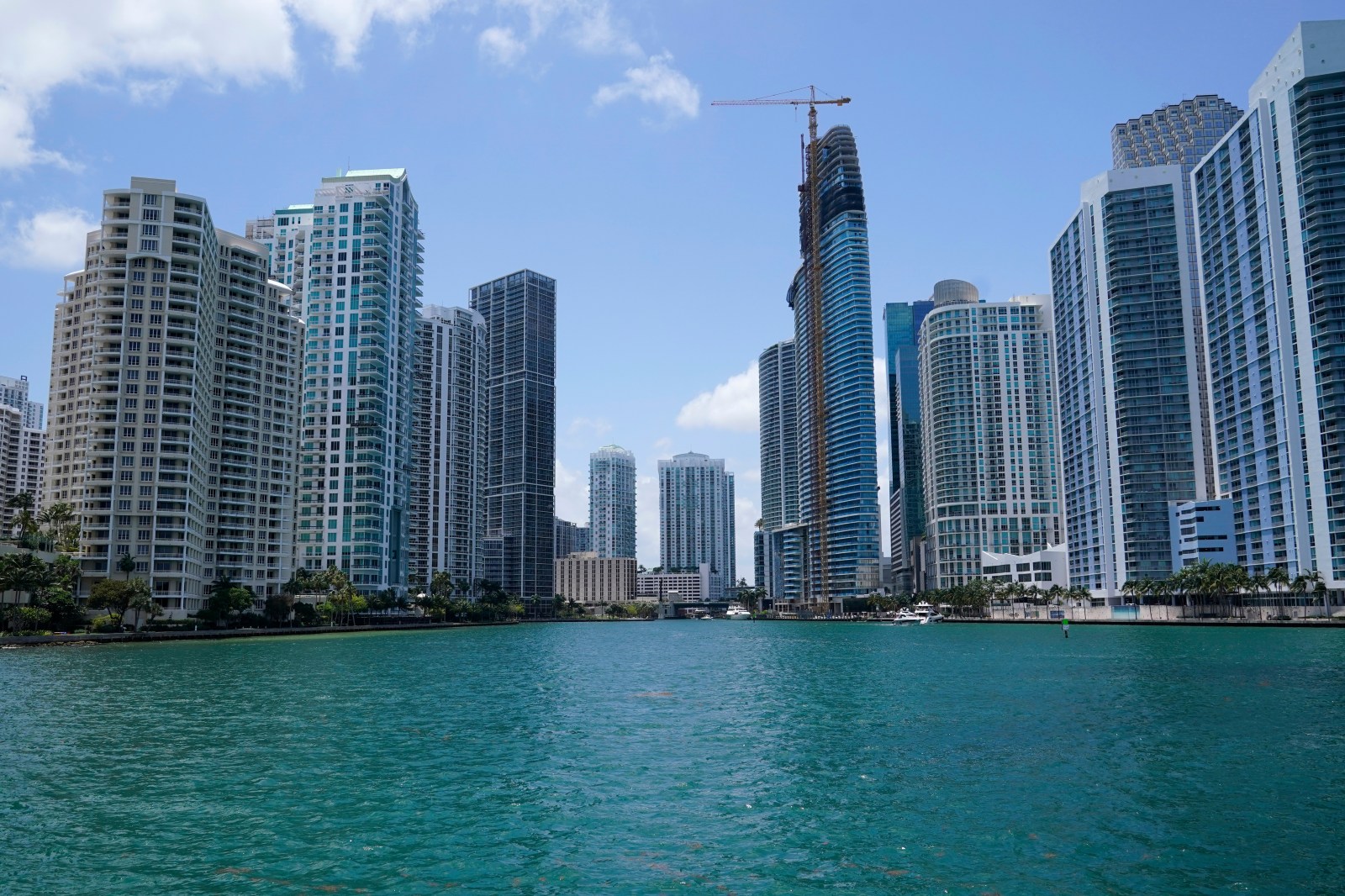
More than 2,500 condominium and cooperative buildings in Florida are slated for Phase Two milestone inspections in 2024 and 2025, according to a report from Florida’s Office of Program Policy Analysis and Government Accountability (OPPAGA). Structural deterioration prompted these inspections, highlighting significant building concerns.
In 2024 and 2025, officials flagged 54 buildings as ‘unsafe or uninhabitable,’ with evacuations occurring in five buildings. Florida law mandates milestone inspections for three-story or taller aging buildings. Substantial structural deterioration identified during Phase One triggers more detailed Phase Two inspections by engineers who assess defects and recommend repairs.
The timing of this report follows the Champlain Towers South collapse in Surfside, Florida, five years ago, which caused 98 deaths and led to extensive modifications in building inspection laws. Note that the data presented in the report covers inspection findings from 71 percent of jurisdictions for 2024 and 64 percent for 2025.
Building authorities revealed 8,777 buildings were required to undergo Phase One inspections in 2024, with 6,952 inspections successfully completed. A significant portion—8,132 buildings—are located in coastal regions. During this period, 1,899 buildings required Phase Two inspections, with engineers completing 1,301.
In 2025, 2,880 buildings were reported for Phase One inspections, and 1,784 were completed. Phase Two inspections were required for 636 buildings, but only 274 were finalised. Over both years, officials completed 8,736 Phase One inspections and 1,575 Phase Two inspections overall.
South Florida’s coastal counties—Miami-Dade, Broward, and Palm Beach—reported a high number of buildings requiring Phase Two evaluations, due to their aging inventory. In 2024, these counties reported between 218-543 evaluations, and in 2025, Miami-Dade and Broward noted 155-308 buildings requiring Phase Two inspections. This inspection concentration reflects the region’s dated condo buildings and a shortage in housing, as indicated by a lack of 90,000 affordable units.
Inspections labeled 54 buildings across both years as ‘unsafe or uninhabitable.’ Five of these buildings were evacuated in 2024, but none in 2025. Miami-Dade accounted for 23 ‘unsafe or uninhabitable’ buildings in 2025.
South Florida’s growth in population and business continues. Miami-Dade, Broward, and Palm Beach remain key players in attracting residents and corporates, like Citadel, adding to the largest condominium markets in the state. President Donald Trump frequently visits his Mar-a-Lago estate in Palm Beach, a region gaining prominence in national political and business arenas.
On June 24, 2021, part of the Champlain Towers South condominium collapsed, marking one of modern America’s deadliest structural failures. Investigations showed long-term structural deterioration. In reaction, Florida legislators enacted reforms for condo safety, instituting inspection mandates and stringent reserve funding for repair projects.
The federal inquiry suggested the collapse began weeks before, as structural integrity failed at the column-to-slab junctions below the pool deck. This led to concrete deformation and eventual collapse.
Lawmakers reintroduced condo legislation last month aiming to ease payment for major repairs. The Making Condos Safer and Affordable Act, introduced by Representatives Debbie Wasserman Schultz and María Elvira Salazar, aims to increase financing options for critical repairs. It seeks to broaden access to HUD loans, expand the FHA’s 203(k) program to allow individual condo owners to cover special assessments, and enable federal loan insurance for private lenders.
The proposal would facilitate broader FHA-backed loan coverage, including repairs and improvements to shared condo infrastructure and common areas. Lawmakers argue the legislation could help alleviate challenges exposed by inspections, highlighting ongoing significant structural concerns in old buildings.