Food Insecurity Challenges in Texas
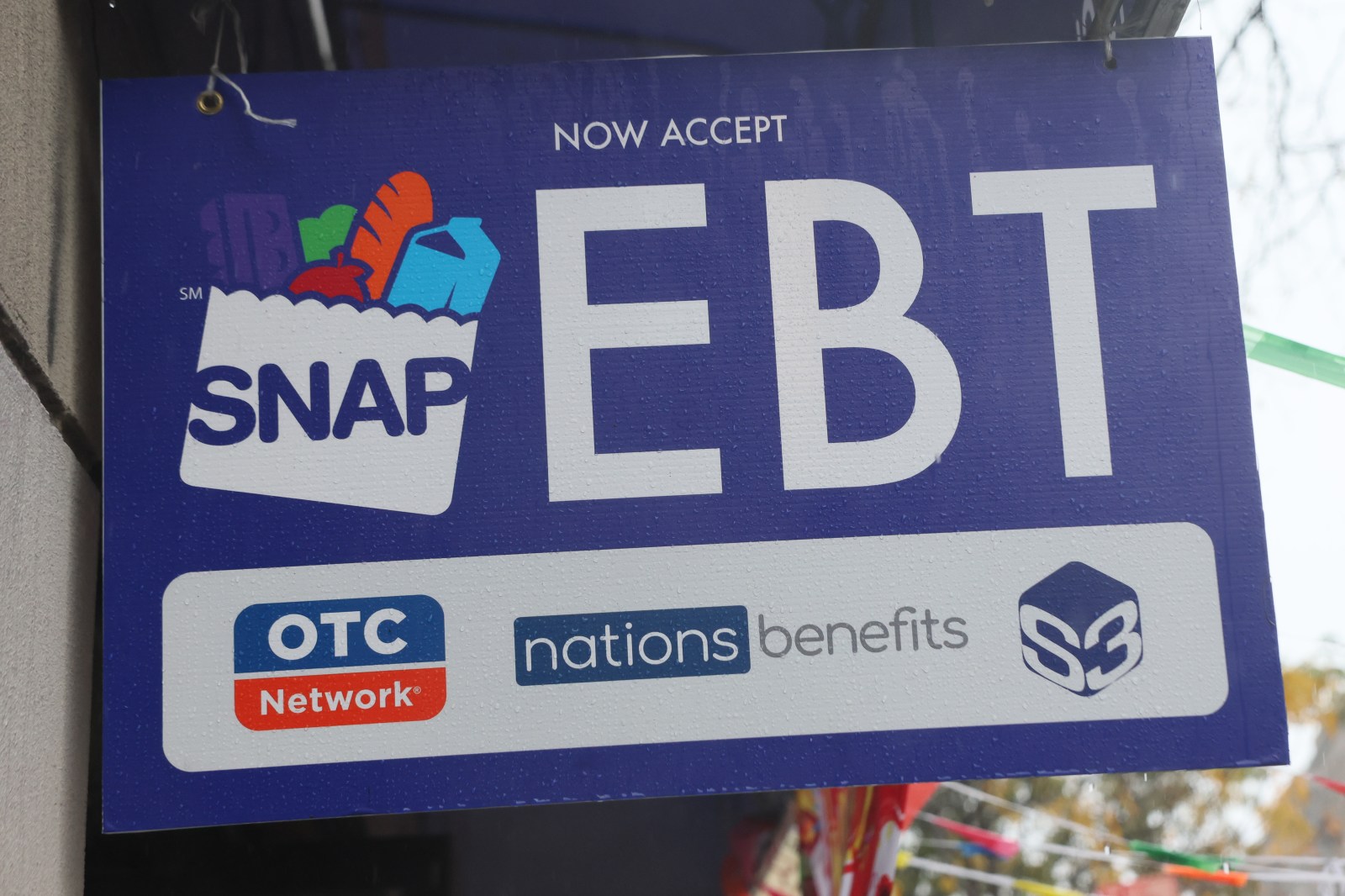
More than 6 million Texans are facing difficulties in securing food, with food banks alerting a higher risk of food insecurity. This arises from a significant drop in enrollment for the Supplemental Nutrition Assistance Program (SNAP). As of now, 6,062,890 residents are experiencing food insecurity, which is about 19.4% of the population. Texas leads in this statistic among U.S. states, as per Feeding Texas and the Feeding America’s Map the Meal Gap study. This figure encompasses nearly 2 million children who are disadvantaged by changes in SNAP.
Celia Cole, CEO of Feeding Texas, stresses the importance of postponing the cost-share requirement for two years. This would provide states with adequate time to implement improvements without facing financial penalties. She emphasizes the need for effective policy implementation to ensure eligible families have access to food assistance.
Current SNAP Participation and Food Bank Demand
As of September, SNAP enrollment in Texas was at 2.8 million, reflecting a decrease of 738,000 from the previous year—a 20.8% drop over the year marking a two-decade low. Consequently, food banks are experiencing unprecedented demand as they distribute over 700 million pounds of food annually across more than 4,000 community partners. However, for each meal provided by food banks, SNAP offers nine, highlighting the critical role of SNAP in bridging the food gap. Celia Cole emphasized, “SNAP is close to 10 times the size of what food banks can do, so it is not a gap we are prepared to make up for.”
2026 Map the Meal Gap Study
The 2026 study utilizing 2024 data indicates an increase in Texas’s food insecurity rate from 17.6% to 19.4%. The number of food insecure Texans rose from around 5.4 million to over 6 million, with children particularly affected. Approximately 1,995,810 Texas children, or 26.1%, face food insecurity. Furthermore, around one in seven seniors are food insecure.
Alex Beene, a financial literacy instructor, highlighted, “The growing strain on food banks reflects a complex mix of higher grocery prices and significant changes to SNAP.” The significant concerns relate to food banks being unable to replace SNAP and families choosing between essential expenses. Referrals to food banks increased by nearly 37%, and loss of SNAP benefits exacerbated the situation.
Changes in SNAP Benefits and Eligibility
The One Big Beautiful Bill Act introduced major changes to SNAP, including expanded requirements and narrowing exemptions. The bill now requires certain adults to work or train for a minimum of 80 hours monthly to be eligible for over three months within a span of three years. Additionally, the age limit increased from 54 to 64, with narrowed exemptions for parents and vulnerable groups.
SNAP participation in Texas dropped by 550,000 people from July 2025 to June 2026, affecting mainly children. Additionally, processing delays compounded the issue, with only 64% of September applications processed within the obligatory 30-day period, compared to 91% in the previous year.
Impact on Families and Future Outlook
Families face financial strains beyond groceries when they lose food aid, often resorting to rent, utilities, or credits. An impending food drive centralizes focus on addressing this shortfall, although food banks may not compensate for the comprehensive SNAP benefit loss statewide. Kevin Thompson, CEO of 9i Capital Group, holds optimism for a reversal of SNAP cuts under new Congressional Democrat leadership, pointing to how vital these programs are for people and industries alike.