Foreign Espionage Targets US Tech Executives
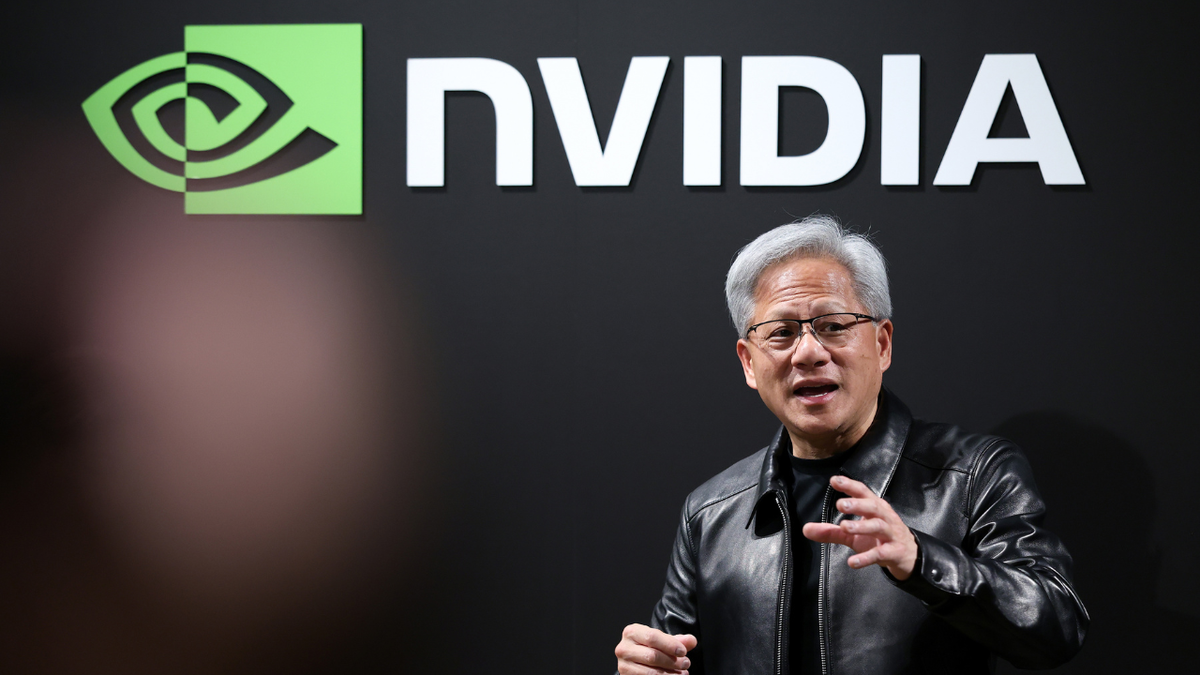
US tech executives face increasing threats from foreign intelligence services. These adversaries employ various tactics, including ‘honeytraps,’ to infiltrate sensitive areas like expert controls and supply chains. This development emphasizes the need for vigilance among American leaders.
Recent reports highlight a case involving NVIDIA’s CEO, Jensen Huang, and a foreign intelligence asset, Alice Huang. US intelligence identified Alice as operating under the guise of a Megaspeed executive, suggesting coordinated foreign efforts to undermine US interests.
Ira Winkler, a former National Security Agency analyst, explains that targeting high-profile figures is a long-term strategy by foreign adversaries. It involves exploiting business environments rather than isolated incidents. Winkler notes that such practices have ancient roots.
Unlike traditional espionage, tech leaders are often targeted in legitimate business settings. Winkler explains that tech events present opportunities for spies to meet executives when their defenses are down. Routine business interactions, not public engagements, become the focal point for espionage activities.
The NVIDIA case illustrates this tactics, with Alice Huang using her professional role to bypass export restrictions. Winkler emphasizes that spies are skilled at navigating social situations to exploit opportunities and gather intelligence.
The intersection of artificial intelligence and foreign espionage prompts increased scrutiny on Silicon Valley’s leadership. Experts warn executives to treat networking events as potential entry points for foreign intelligence operatives. Human vulnerabilities remain a key avenue for undermining US technological advantages.
While media often dramatizes ‘honeytraps’ as immediate extortion schemes, modern espionage strategies prefer sustained access. Long-term relationships allow foreign agents to influence decision-making, accumulating valuable insights over time.
This specific case involving NVIDIA and Alice Huang raises questions about the depth of foreign influence in US tech. How long-term relationships are maintained without obvious coercion remains a significant concern.