Francesca Hong’s Impact on Wisconsin’s Gubernatorial Race
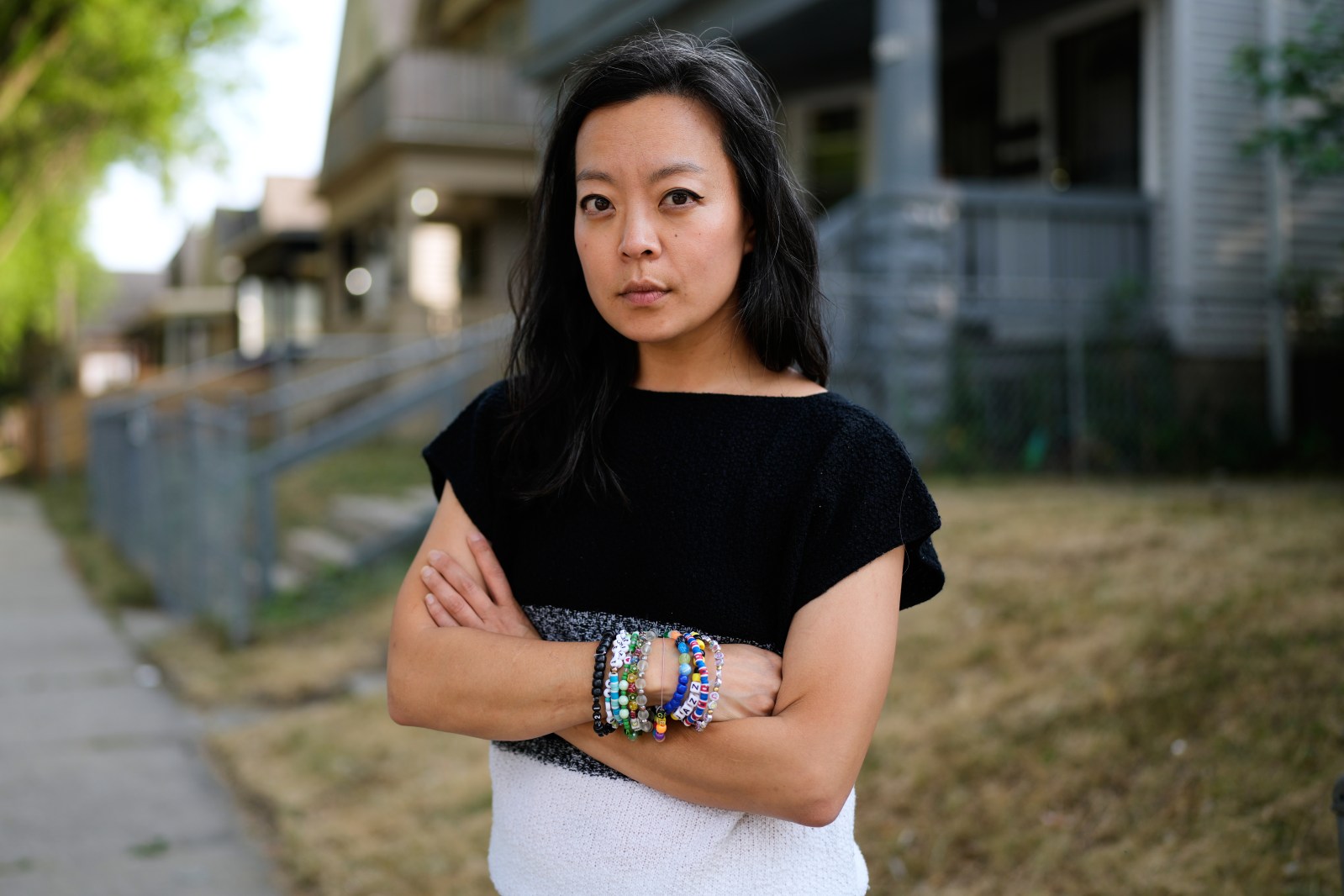
Democratic socialist Francesca Hong has invigorated Wisconsin’s gubernatorial race, notably boosting her profile in the Democratic primary. Her candidacy marks a significant challenge for the Democratic Socialists of America (DSA), which has traditionally found success in reliably Democratic areas like New York City and Philadelphia.
Hong’s potential primary win would test the DSA’s broader electability in a key battleground state. Wisconsin’s political landscape has fluctuated, backing both Democratic and Republican candidates in recent years. In 2024, the state narrowly supported President Donald Trump, exemplifying its divided political stance.
The prospect of a Democratic socialist like Hong leading the ticket has elicited concern among the party’s establishment. While Democrats expect a favorable national climate due to Trump’s diminishing approval ratings, Hong’s progressive views may challenge centrist voter appeal. The Wisconsin primary will occur on August 11, 2026.
Francesca Hong Leads in Recent Polls
According to a recent poll by State Navigate, Hong is currently leading with 44 percent, while Milwaukee County Executive David Crowley stands at 15 percent. Former Lieutenant Governor Mandela Barnes garnered 14 percent, with the remaining candidates in single digits. The poll, conducted with 1,085 likely voters between July 23-26, 2026, carries a 3-percentage-point margin of error.
Anthony Chergosky, a political science professor at the University of Wisconsin-La Crosse, expressed surprise at Hong’s lead. He noted that her grassroots campaign and democratic socialism bring a distinct element to the race. Chergosky also cited the divided field as a factor benefiting Hong.
Kathleen Dolan from the University of Wisconsin-Milwaukee highlighted concerns about the poll’s methodology, noting it was conducted via opt-in text messaging, potentially skewing results toward partisan respondents.
Other Polling Insights
Other surveys also indicate Hong’s lead, though many voters remain undecided. A Marquette Law School poll showed Hong at 26 percent, with significant undecided numbers, reflecting broader Democratic sentiment across Wisconsin.
A Public Policy Polling survey sponsored by Crowley’s campaign reported Hong at 35 percent, suggesting her lead might not require exceeding a 50 percent threshold to clinch the nomination.
Democratic Concerns over Hong’s Candidacy
Concerns abound among Democrats over Hong’s chances in the primary. Her DSA affiliation and progressive outlook raise risks of alienating moderate voters. David Axelrod and activist Shannon Watts highlighted potential down-ballot consequences due to the high stakes of the election.
Joe Wineke, former Wisconsin Democratic Party chair, warned about Hong’s far-left positioning, doubting its effectiveness in a general election. Chergosky also noted potential vulnerabilities, with Republican attacks likely focusing on her past statements supporting defunding the police.
Challenges Facing the Democratic Party
Earlier in July, moderate candidate Sara Rodriguez exited the race due to financial discrepancies, leaving an unsettled field. Crowley re-entered the fray, seeking centrist backing and gaining outgoing Governor Tony Evers’ endorsement.
Wisconsin’s electoral history reflects razor-thin margins, as seen in the 2016 and 2020 presidential elections. Obama previously won the state by more significant margins. The political landscape is shifting, with Republicans strengthening among rural voters and Democrats relying on urban and suburban support.
The DSA defines democratic socialism as empowering ordinary people in economic and societal domains, focusing on progressive initiatives like single-payer healthcare. Unlike authoritarian socialism, democratic socialism supports reforms via democratic processes, elections, and individual liberties.