Francesca Hong’s Stance on Police Abolition Questioned in Governor Race
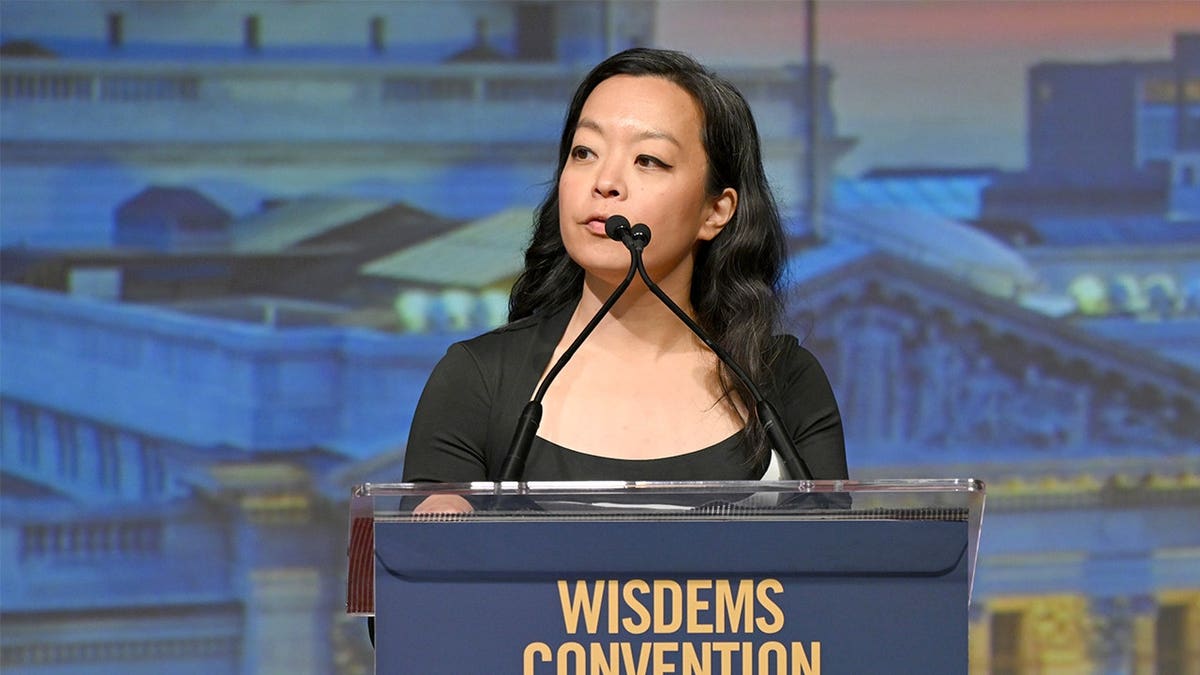
Wisconsin’s Democratic socialist state Representative Francesca Hong, the frontrunner in the Democratic primary for governor, faced scrutiny over her views on police abolition. At a recent event at Marquette University in Milwaukee, she avoided directly answering questions about her past stance on abolishing the police. Despite pledging to preserve law enforcement funding, she discussed redirecting criminal justice spending.
In a televised debate, Hong stated, “So this system is not working. If we want to be serious, we better be putting these billions into things we know prevent crime.” When asked if she still aimed to abolish the police, she spoke of “systems of care” and was guided away by a campaign aide before clarifying her position.
Hong emphasized her commitment to public safety, saying, “I believe that we have to be serious about public safety, and I’m going to be a governor that is more serious than anyone else in making sure that we are building systems of care.” Her communications director, Allison Geyer, explained to Fox News Digital that Hong’s values remain consistent, although her discussion about police and prison abolition now frames it as an aspirational goal.
When moderators asked Hong and her fellow Democratic candidates if they would sign a state budget cutting police funding, all affirmed they would not. Hong remarked, “The governor cannot defund police, and I am not here to govern by slogan. I am here to make sure I am the governor that’s most serious about public safety.”
Controversy surrounding Hong dates back to comments she made following the 2020 police shooting of Jacob Blake in Kenosha. In a 2021 social media post, Hong called for abolishing the police when no charges were filed against the officer involved in Blake’s shooting. She defended her stance in a statement to Fox News Digital, though she stopped short of expressing ongoing support for police abolition.
Hong’s campaign platform calls for state support of noncarceral crime-prevention programs, reentry services, red flag laws, universal background checks, and safe-storage requirements. Importantly, her platform does not advocate for eliminating police departments or reducing their budgets.
A recent Marquette Law School poll showed Hong leading among Democratic primary voters with 38%, an increase from 26% the previous week. This surge in support has caused concern among Democrats about her viability in the November election against Republican candidate Representative Tom Tiffany.
Joe Zepecki, a Democratic strategist unaffiliated with any primary candidate, criticized Republican attempts to influence the election outcome. He described these efforts as an underhanded move to alter the democratic process. Joel Brennan, another Democratic contender, argued in a WisPolitics memo that Republicans view Hong as an easily defeatable candidate due to her “extreme positions.”
The Republican Governors Association has reportedly spent close to $3.6 million on ads targeting Hong, branding her as dangerously liberal to appeal to progressive voters. This spending further illustrates the strategic attempts to influence the primary race.