G7 Foreign Ministers Discuss Global Crises in Paris Amid Uncertainties
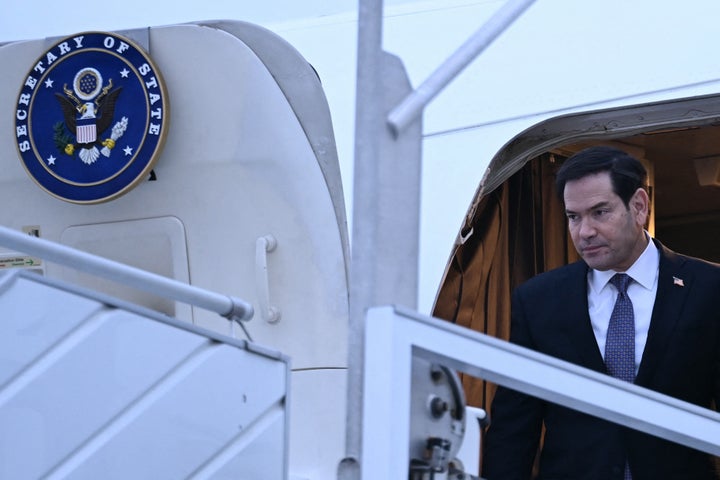
Foreign ministers from the Group of Seven (G7) industrialized democracies commenced two days of discussions in Paris on Monday, confronting ongoing global crises. This gathering occurs as questions loom about U.S. President Donald Trump’s diplomatic direction following significant Republican losses in the recent midterm elections.
U.S. Secretary of State Marco Rubio is anticipated to address queries regarding potential shifts in U.S. positions on the Russia-Ukraine conflict, Iran, energy security, and artificial intelligence. These issues will dominate conversations among diplomats from the U.S., Britain, Canada, France, Germany, Italy, and Japan during Monday and Tuesday.
Rubio’s trip marks his first international venture since the midterm elections, which resulted in heavy losses for Republicans, partly due to unpopular policies, including the war in Iran. These discussions coincide with widespread protests across Europe, including Paris.
US Politics at the Allies’ Meeting
Upon landing at Le Bourget airport near Paris on November 9, 2026, Secretary Rubio joined the G7 summit. When inquired by reporters about what steps might follow the elections, Rubio noted that the nations he is meeting understand U.S. politics, as they too have experienced governmental divisions.
Canadian Foreign Minister Anita Anand highlighted the uncertainty surrounding Washington’s future approach, stating that the outcome depends on the president’s executive powers and the recent change in congressional leadership. Despite Democrat gains, there’s limited indication of Trump’s strategy altering, with Stephen Miller, a hard-line advocate, appointed as chief of staff.
America’s lead diplomat, seen as a softer contrast to Trump, denies speculation of an early departure to prepare for a future presidential bid.
Focus on Iran and Ukraine Conflicts
Trump has suggested a potential partnership with Europe to end the Ukraine conflict. Envoys Steve Witkoff and Jared Kushner plan discussions with Ukrainian and Russian officials in the UAE, seeking potential compromises. Rubio emphasized that security guarantees for Ukraine and Europe are top concerns, with progress on post-conflict arrangements sought.
German Foreign Minister Johann Wadephul welcomed these talks in Abu Dhabi yet stressed including Europe in any resolution framework. Canadian Foreign Minister Anand also noted the importance of clarifying peace proposal aspects during these discussions.
Qatari and other mediators suggest interim resolutions to the persistent conflict with Iran, affecting key shipping lanes. Rubio observed that diplomatic results remain elusive, citing Iran’s impractical demands.
Uncertain Consensus Among Allies
France has invited Brazil, Egypt, Saudi Arabia, and Ukraine to partake in some deliberations, focusing also on Africa, China, Cuba, and Haiti. The French Foreign Ministry planned discussions on artificial intelligence and Ukraine aid. Upon arrival in Paris, Rubio voiced his priority of seeking accountability at the UN, implying continued U.S. reform demands.
The U.S. administration’s stance on matters like NATO support, the ICC opposition, and withdrawing from various multilateral entities has unsettled G7 partners. This includes pressuring the dismantling of the ICC, which the U.S. opposes despite all G7 peers, except Japan, holding membership.