Gen Z’s Impact on the Alcohol Industry
The alcohol industry has relied on young adults to become regular drinkers. Currently, Generation Z is prompting the industry to adapt as they explore ‘sober-curious’ lifestyles and seek beverages of higher quality. A 2025 Gallup poll showed a drop to 54% in the percentage of U.S. adults who consume alcohol, marking the lowest rate in 90 years. Historically, from 1997 to 2023, at least 60% of Americans reported drinking alcohol, but it declined to 58% in 2024 and 54% in 2025.
The Industry’s New Challenge
The alcohol industry faces a new challenge: convincing young adults that their products are worth purchasing. Rather than just aiming to make them lifelong customers, the industry must cater to their evolving preferences.
Gen Z and the ‘Daycap’ Trend
Bartesian CEO Ryan Close highlights how consumers are now searching for premium experiences, offering fresh opportunities for the at-home cocktail market. Consumers prefer quality over quantity in their drinking habits. Close observes that while they might drink less, they demand better quality beverages.
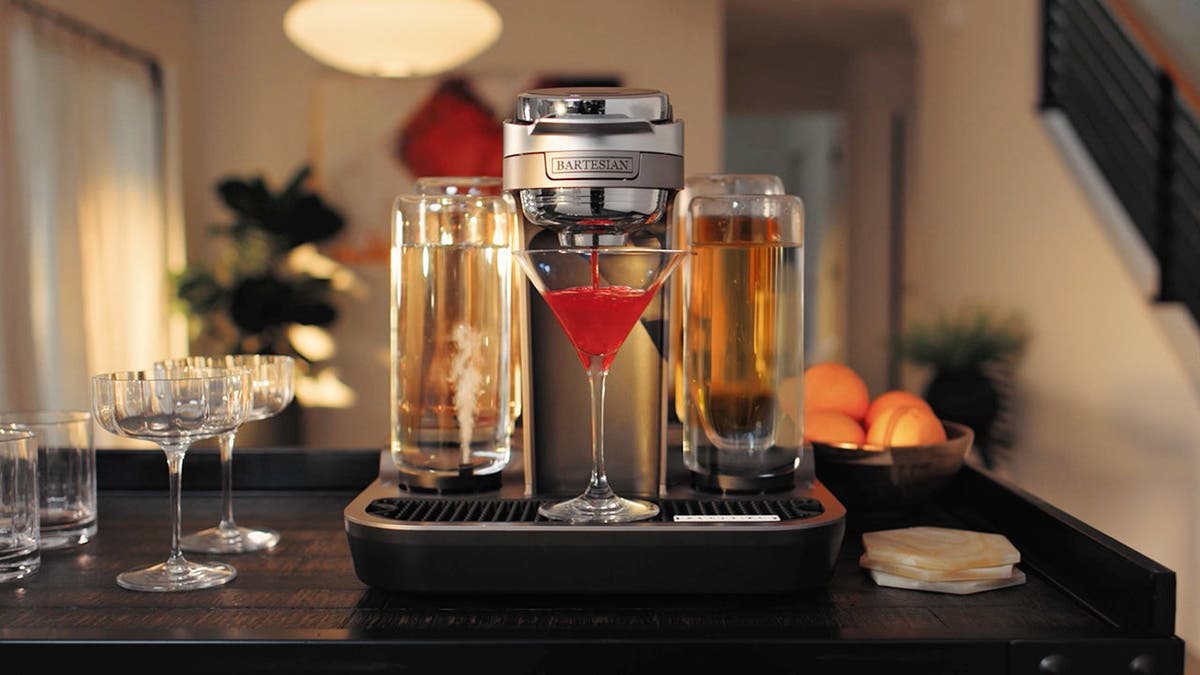
Bartesian offers an automated cocktail machine, allowing users to create drinks with flavor capsules and their own spirits. Close noted that before founding Bartesian, many people drank wine and beer at home, while ordering cocktails at bars. The perceived difficulty of making cocktails at home could deter them from trying. Even for him, with bartending experience, creating a classic drink like the Old Fashioned posed challenges. Bartesian aims to simplify this process, providing users with premium cocktails using real, fresh ingredients.
Research and Consumer Preferences
The trend towards quality is not unique to Close’s observations. A report from NielsenIQ, released on January 2, outlined five consumer trends in the alcohol industry. It noted 67% of spirits drinkers and about 52% of average drinkers expressing willingness to pay more for higher quality drinks. While NIQ focused on on-premises drinking patterns, not at-home habits, the insight remains valuable.
Close argues that Gen Z is redefining why they drink. They seek shared experiences rather than drinking merely for the sake of it. Bartesian supports this by offering customizable cocktails, varying in flavor, spirit type, and alcohol content. Close emphasizes the younger generation’s intentionality, focusing on better quality, less frequent drinking experiences.
Changing Habits Post-Pandemic
Many Gen Z individuals reached drinking age during the COVID-19 pandemic. With restaurants and bars operating under restrictions, the home became an alternative venue for premium cocktails. Close notes that as cocktail prices rise, consumers choose carefully where and what to drink. On a trip to New York City, he experienced paying $24 for a martini, missing blue cheese olives. He noted how he could make the same drink for significantly less at home.
The trend is not about replacing bars and restaurants but meeting consumers’ demand for intentional and valuable experiences. Close emphasizes that it’s not about avoiding alcohol entirely but making more conscious decisions about drinking.
Rachel Wolf covers media and culture for Fox News Digital.