German Political Landscape Shifts Following Regional Elections
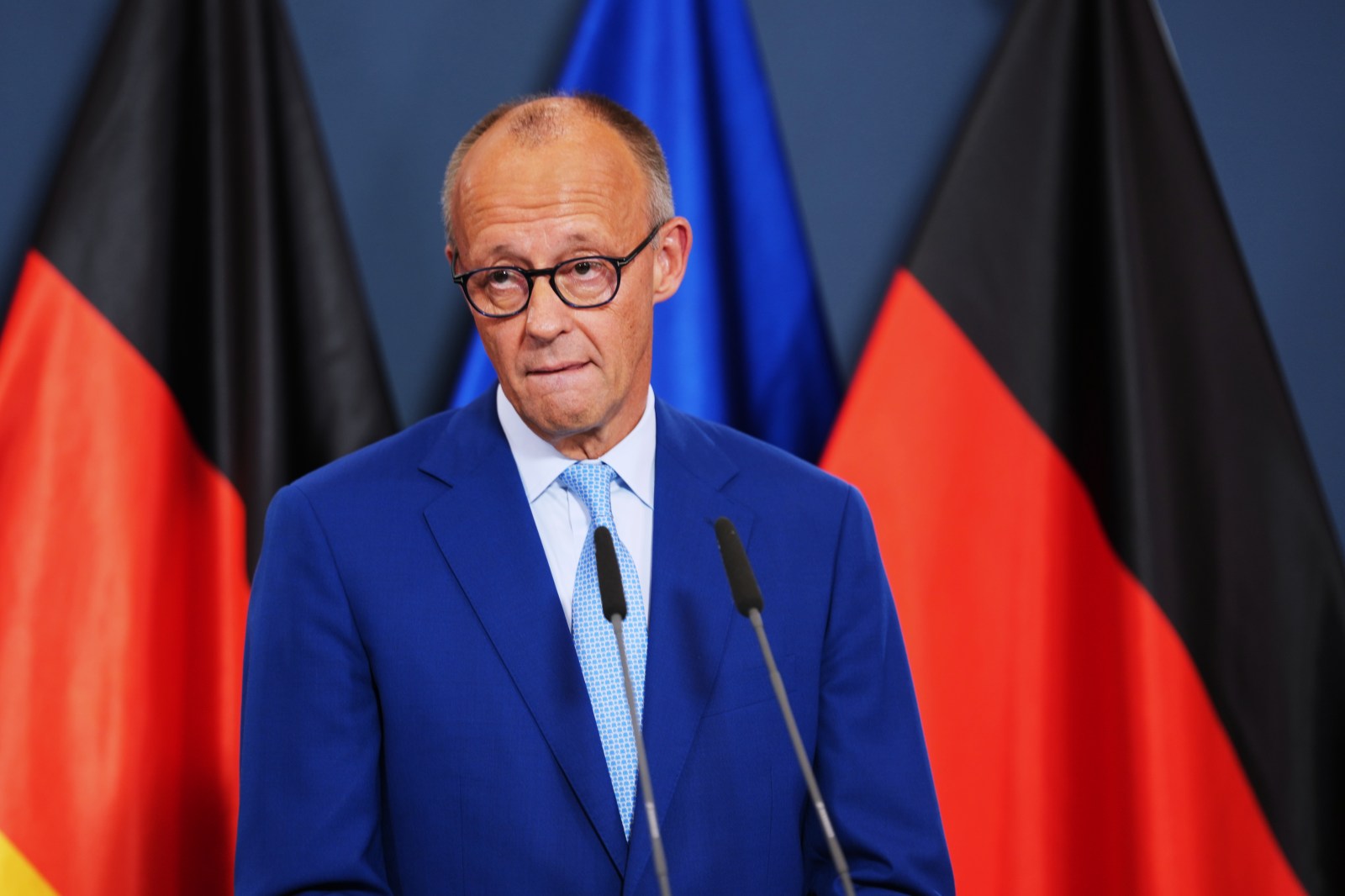
A Shift in German Politics
German Chancellor Friedrich Merz has pledged to maintain his position despite significant setbacks for his conservative bloc in regional elections. The far-right Alternative for Germany (AfD) has continued to gain momentum, securing a second consecutive victory on the state level. According to exit polling from ARD, the AfD claimed 37 percent of the votes in Mecklenburg-Western Pomerania and 15.7 percent in Berlin.
In contrast, Merz’s Christian Democratic Union (CDU) garnered only 5.5 percent in Mecklenburg-Western Pomerania and fell to second place with 20 percent of the votes in Berlin. The socialist Left Party (Die Linke) triumphed in Berlin, securing 24.5 percent of the votes.
Political Turmoil and Leadership Response
Merz referred to the election outcomes as a “disaster,” yet rejected calls for him to resign, insisting on his commitment to lead the government amidst criticism from opponents and concern among coalition members, as reported by the Associated Press.
“What needs to be done now requires backbone, steadfastness, and patience,” Merz stated, affirming his intention to continue guiding the CDU and, most importantly, his role as Chancellor.
Newsweek has reached out to AfD, CDU, and political analysts for comments.
Implications of Rising Far-Right Influence
The election results underline the growing influence of the AfD, drawing support from voters dissatisfied with traditional parties amid economic challenges, immigration debates, and dissatisfaction with mainstream political entities.
Previously, the AfD achieved historic success in Saxony-Anhalt on September 6, winning 43.8 percent of the vote. This was more than double the CDU’s support at 17.2 percent, marking the strongest showing by a far-right party in a German state election since World War II.
Despite its rising popularity, mainstream German parties have generally refused to collaborate with the AfD, raising questions about the governance dynamics in regions where the party has significant influence.
Future Political Implications
The growing momentum of the AfD could significantly influence Germany’s political landscape in upcoming elections. Observers are closely monitoring whether the party’s regional successes might translate into national achievements.