Gina Hinojosa’s Challenges as Incoming Texas Governor
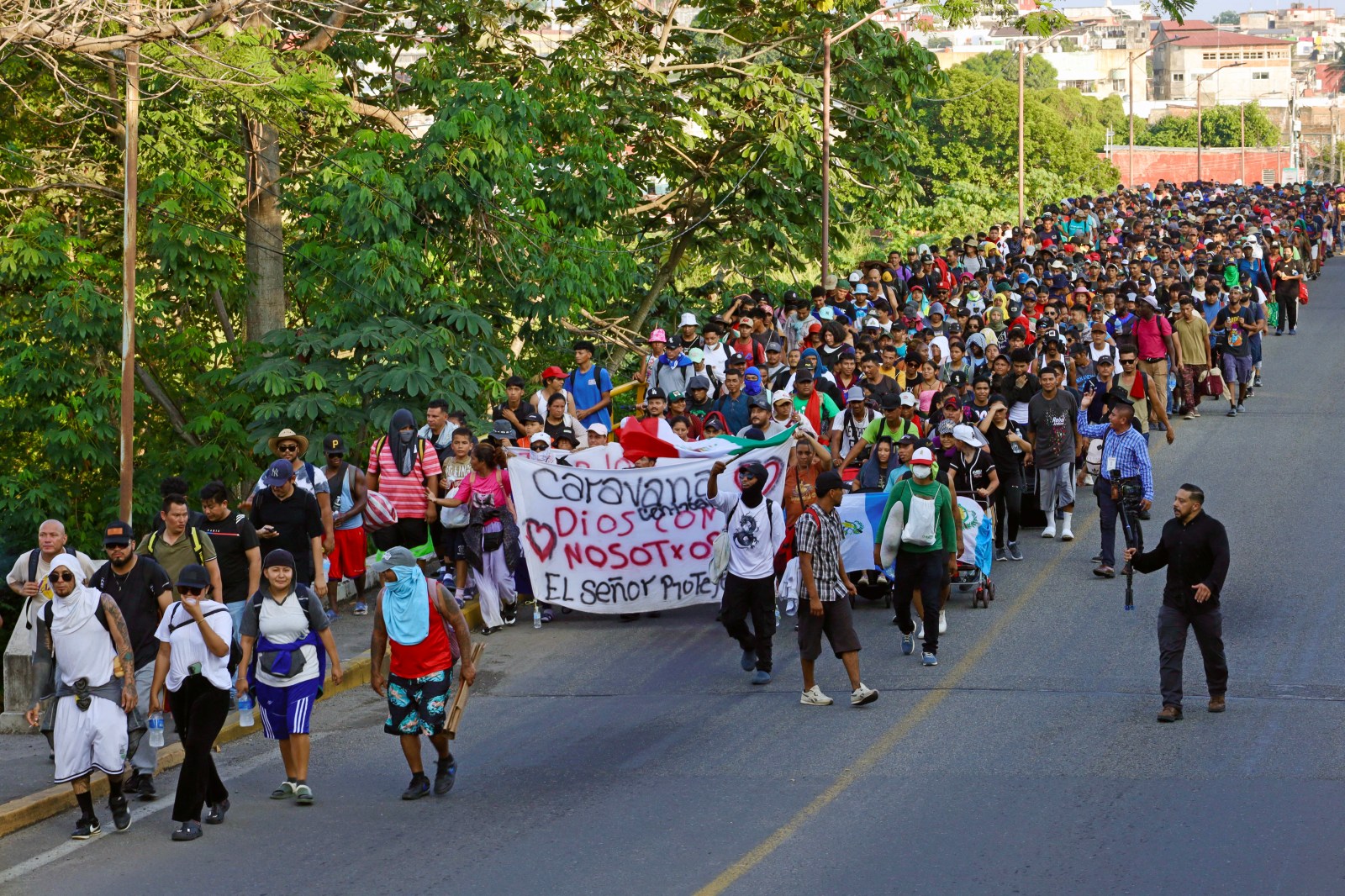
Gina Hinojosa, after her significant win in the midterm elections, will assume the role of Texas governor on January 19. Before taking office, she faces considerable decisions, particularly surrounding border security. A week post-election, a caravan of approximately 2,000 migrants from Central American countries including Honduras, El Salvador, Guatemala, and Nicaragua began traveling north.
The migrants in Tapachula anticipated that President Donald Trump’s stringent immigration policies might ease following the elections. Narciso Aparicio, 73, expressed to Noticias Telemundo, “The word is that since Congress has changed, the border has to be open.”
Border Security Measures
Hinojosa inherits policies implemented by Greg Abbott for previous migrant surges such as deploying the National Guard, involving Department of Public Safety troopers, and enacting a border disaster proclamation on multiple occasions. She views the costly $11 billion Operation Lone Star as more “political theater” than effective security and intends to reassess it.
Though Mexican authorities dissipate caravans, travelers often continue via permits allowing them to transit through Mexico. One member of the current caravan plans to reach northern Mexico, find work, and wait for a shift in U.S. policy. Hinojosa’s first decisions on these policies will occur with these dynamics in mind.
Immigration Concerns
Many believe the caravans pose minimal threat since they cannot easily breach the firmly secured U.S. border. Border Patrol recorded 98,708 apprehensions at the southwest border in fiscal 2026, significantly fewer compared to over 1.8 million annually during President Joe Biden’s term. According to the Department of Homeland Security, there have been no releases into the U.S. for 17 months.
Immigration lawyer Kathia Quirós assured Telemundo that migrants reaching the border face detention and processing, with most receiving deportation orders. Hinojosa’s focus is on state spending related to border security, considering the affordability issues that were central during her campaign. Texas Legislature allocated $3.4 billion to border security which will require legislative renewal beyond the current budget cycle.
Policy Evaluation
Hinojosa recognizes the need for secure borders, expressing that resources devoted to immigrant detention shouldn’t substitute for genuine safety plans. Meanwhile, Mexico’s handling of caravans involves transporting individuals with transit documents to northern areas, shifting them closer to the U.S. border but not necessarily facilitating entry.
Álvaro José Vanegas Estrada, a Nicaraguan farmworker within the caravan, detailed his intent to work and send money home from northern Mexico as he waits for potential changes in U.S. policy. This sentiment, coupled with possible procedural shifts, considerably pressures Hinojosa’s upcoming administrative decisions.
Upcoming Decisions
The timing is crucial for Hinojosa, as disaster declarations expire after 30 days unless renewed, meaning she’ll soon decide on Abbott’s current border measures. Democrats tend toward ending such declarations, aligning with Nathan Johnson’s previous comments about Abbott’s misuse of emergency powers. Former President Trump has indicated readiness to influence Texas policies should Hinojosa relax them.
Border regions that switched political alignment during prior surges add complexity to Hinojosa’s policy decisions. Although immigration enforcement remains a divisive issue nationally, she must consider balancing constituency safety with cost and resource allocation. Updates from the Customs and Border Protection’s recent statistics could further guide her approach to securing Texans effectively as governor.