Glenn Beck’s George A.I.: Reviving Founding Fathers Through Technology
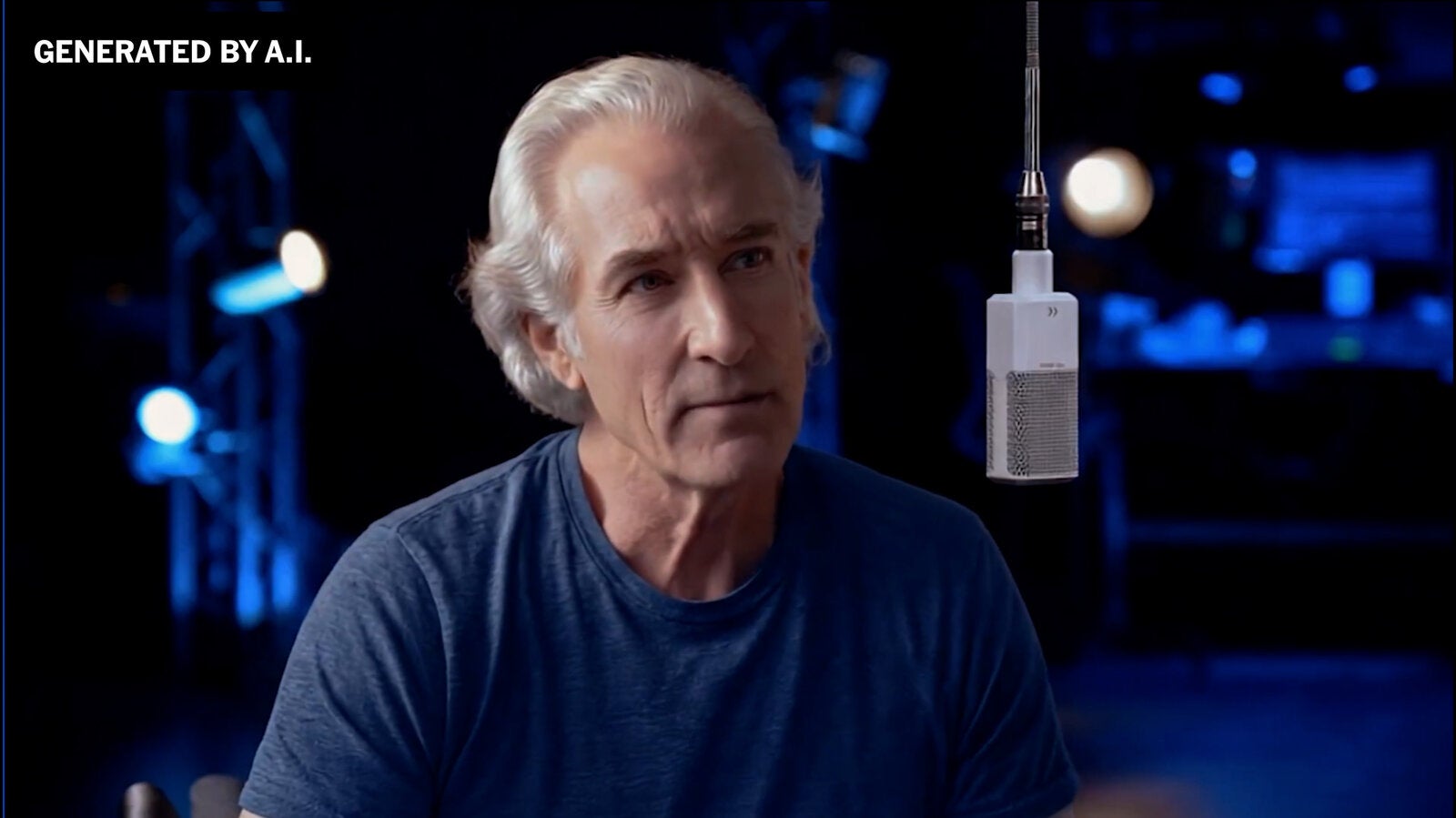
In late 2022, conservative commentator Glenn Beck unveiled a new project that captivated right-wing enthusiasts. He introduced George A.I., a digital representation of George Washington, designed to engage in discussions and provide insight into various topics. This digital version of Washington differed from his traditional portrayals. He appeared in a modern setting, reminiscent of a podcast studio, with an updated look. The project showcased a technology-driven interpretation of historical figures.
George A.I. represents a form of intelligence derived from Beck’s extensive collection of founding documents. According to Beck, his library ranks as the third largest of its kind globally. The A.I. model blends these historical sources with what Beck believes influenced the founders, ranging from biblical texts to Blackstone’s legal principles.
Beck portrays George A.I. as a guardian of this knowledge. However, its current focus is primarily on creating content similar to educational documentaries, answering questions about America’s origins. In conversations about today’s issues, George A.I. highlights perceived moral shortcomings, such as wastefulness and distrust in truth. These themes align with narratives found in Blaze Media, a part of Beck’s media ventures.
In early March, shortly after the U.S. engaged in military actions against Iran, Beck released a video probing George A.I.’s stance on foreign policy. He questioned Washington’s historical caution against foreign entanglements, suggesting a need for strength in preventing conflicts. George A.I.’s response echoed Beck’s perspectives, drawing parallels to historical conflicts, like Thomas Jefferson’s actions against Barbary pirates, emphasizing a perceived continuity of challenges.
In modern political discourse, references to the founding fathers are commonplace, serving as ideological benchmarks. Figures like Candace Owens and Ben Shapiro often invoke them in cultural and legal discussions, underscoring their enduring influence as moral and constitutional guides.