Graduation Speeches Prompt Booing Over AI Discussions
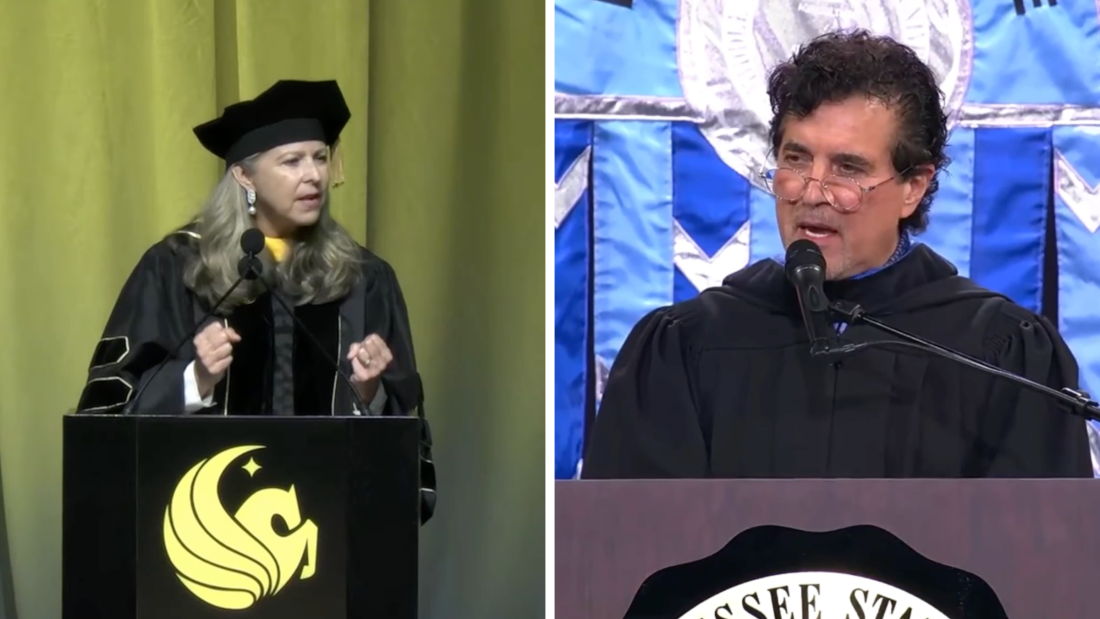
During recent graduation ceremonies, speeches discussing artificial intelligence (AI) led to boos from students at several universities. Gloria Caulfield, a real estate executive, and Scott Borchetta, CEO of Big Machine Records, faced negative reactions while addressing graduates at the University of Central Florida and Middle Tennessee State University, respectively. Both speakers mentioned AI, eliciting immediate disapproval.
At Glendale Community College near Phoenix, AI caused complications when a new system misread student names during commencement. College president Tiffany Hernandez reported technical issues, which led to further audience discontent.
Some speakers, including former Google CEO Eric Schmidt, also experienced boos. Schmidt emphasized the inevitability of AI’s impact, asserting that the challenge is to shape AI’s future.
The release of ChatGPT in 2022, a time when many undergraduates began their college education, has influenced students’ perceptions of AI. While some have leveraged AI for positive outcomes like business development, concerns persist. Maggie Simmons, a University of Denver student, worries about AI’s environmental impact and systemic issues. She believes the focus should remain on the graduates entering the workforce, not technology possibly limiting their job opportunities without regulation.
Kareen Gill, an American University graduate, notes her generation’s growing skepticism about AI. Initially intrigued by AI’s capabilities, many now worry about its potential to diminish job prospects. Gill observes reductions in internships and entry-level roles, as AI begins to replace tasks like phone handling.
A Quinnipiac University poll highlights generational differences in AI-related concerns. Professor Chetan Jaiswal explains that younger generations, despite familiarity with AI, hold pessimistic views about job opportunities. The poll indicates that 81% of Gen Z participants fear AI’s potential to reduce these opportunities.
The sentiment that AI development is not aligned with the public’s interests is prominent, with only 5% of Americans feeling represented by those leading AI advancements. For recent graduates like Gill, issues extend beyond employment, critiquing how AI amplifies wealth disparity and environmental challenges.