Hakeem Jeffries Faces Criticism from Progressives Over Israel Policy
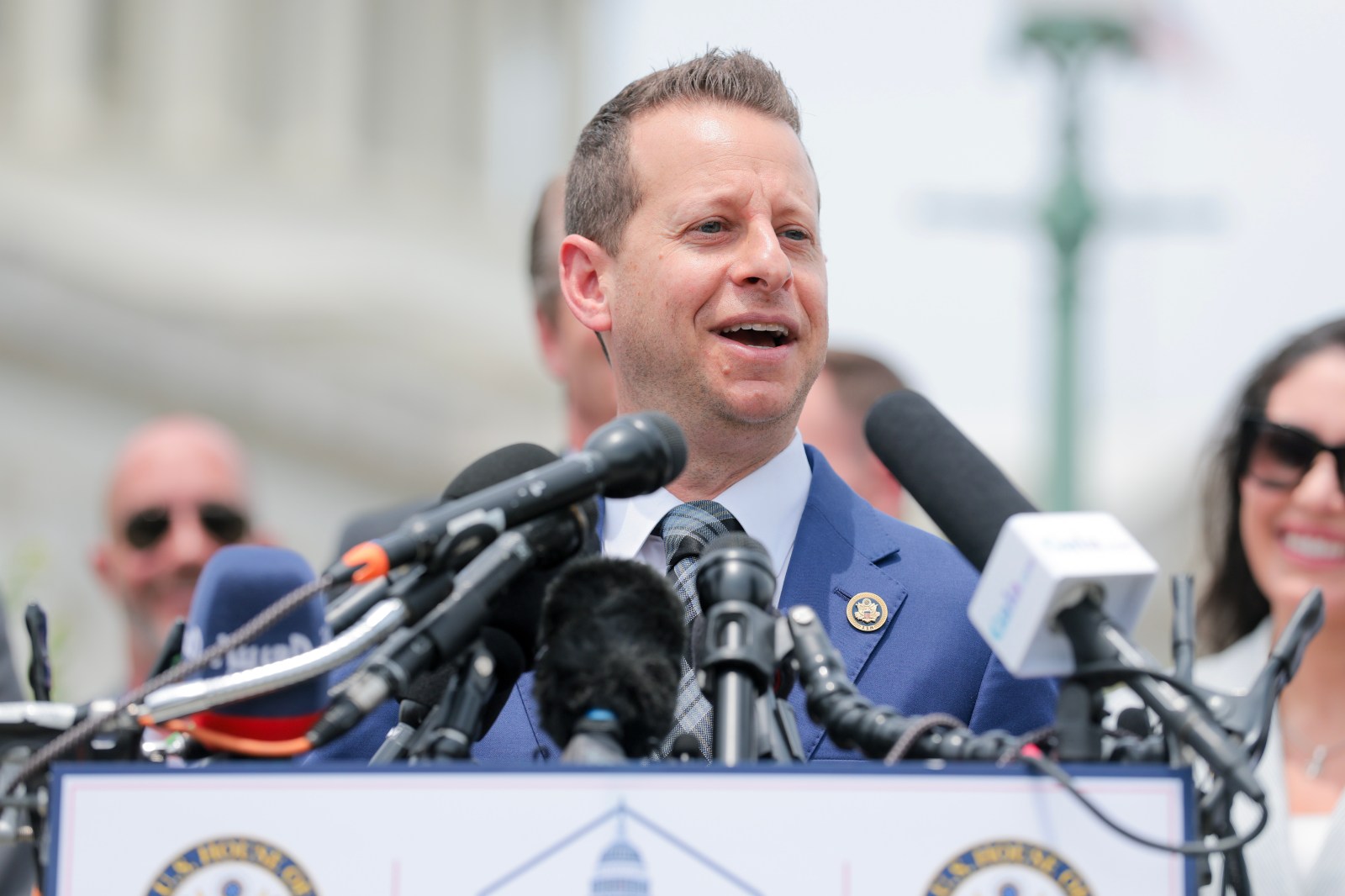
House Minority Leader Hakeem Jeffries is encountering renewed scrutiny from progressives following the appointment of Florida Representative Jared Moskowitz. He has been named ranking member of the House Foreign Affairs Committee’s Subcommittee on the Middle East and North Africa. This decision, announced by New York Representative Gregory Meeks, comes at a time when many Democratic voters are becoming increasingly critical of Israel’s actions in Gaza.
While Meeks holds the position of the committee’s ranking member, Jeffries has received significant backlash. Progressives see this pick as indicative of the Democratic leadership’s reluctance to adapt its stance on Israel, even as the party’s voters express differing views.
Moskowitz confirmed his appointment on X, expressing gratitude to Jeffries and Meeks. He described the role as an honor and committed to enhancing ties between the U.S., Israel, and Gulf allies amid significant changes in the region.
Democratic Reaction to Moskowitz Appointment
The appointment swiftly drew criticism from several quarters, including progressive media figures and a former official from Obama’s administration. Ben Rhodes, Obama’s former deputy national security adviser, voiced strong disapproval on X. He interpreted the decision as a dismissive gesture from Democratic leadership toward its voters.
Cenk Uygur from The Young Turks argued that donor influences affect lawmakers’ positions on Israel and other issues like pharmaceutical companies and defense contractors.
Journalist Prem Thakker highlighted polling data showing Democratic voter support for sanctions against Israel and halting weapons transfers. Prominent critic Kyle Kulinski labeled Moskowitz as a “diet MAGA” Democrat on foreign policy, suggesting Jeffries should resign. Hasan Piker, known as HasanAbi, accused Democratic leaders of disregarding voter concerns on Israel.
Wally Rashid, a Palestinian-American journalist, speculated connections between Jeffries’ meeting with Jared Kushner and Moskowitz’s elevation, though he provided no evidence.
Jeffries’ Approval Ratings: Mixed Reviews
Jeffries faces mixed popularity among voters. A Civiqs national tracking poll found that 26 percent viewed Jeffries positively as of August 12, while 54 percent held an unfavorable view. Uncertainty was expressed by 20 percent of respondents.
A CNN poll by SSRS showed Jeffries’ unfavorable ratings were at notable levels. Conducted July 23-27, the poll recorded a 13-point gap in unfavorable ratings, marking a significant increase compared to previous ratings.
YouGov’s tracker ranks Jeffries 22nd in popularity among national Democrats, highlighting challenges for him within the party.
Overall, the Democratic Party experiences broader voter dissatisfaction. A recent Fox News poll showed only 41 percent viewing the party favorably, compared to 56 percent unfavorably. Republican favorability surpassed Democrats in this survey for the first time in ten years.
A notable drop in Democratic self-identified voters viewing their party favorably occurred—down to 77 percent from 87 percent a year ago, according to Fox News.
Democratic Shift Away from Israel
Polls present a clear picture of Democratic voters increasingly siding against Israel. The IMEU Policy Project commissioned a survey in key states projecting that voters see Israel as committing genocide in Gaza. Specific numbers show stark opposition to arms sales and military assistance to Israel.
Hamid Bendaas from IMEU emphasized major shifts in Democratic support, indicating growing backing for sanctions among party electorate choosing the next presidential nominee.
A Gallup poll exposed deeper sympathy among Democrats for Palestinians over Israelis. Republican support for Israel also reaches low levels, according to polling data.
Jeffries’ Pro-Israel Stance Under Criticism
Jeffries remains a staunch defender of the U.S.-Israel relationship in the House, a stance aligning him with Senate Minority Leader Chuck Schumer. However, this persistence increasingly conflicts with the Democratic base.
Recently, more than 100 House Democrats opposed an Israel weapons transfer, a measure Jeffries and Schumer did not support.
This issue’s prominence grows within Democratic primaries, evidenced by Abdul El-Sayed’s victory over pro-Israel Haley Stevens in Michigan’s Senate nomination contest.
Bendaas argues for leadership willing to diverge from the established view, aligning party positions closer to voter sentiments.