Hamas and the Ripple Effect on Israel-U.S. Relations
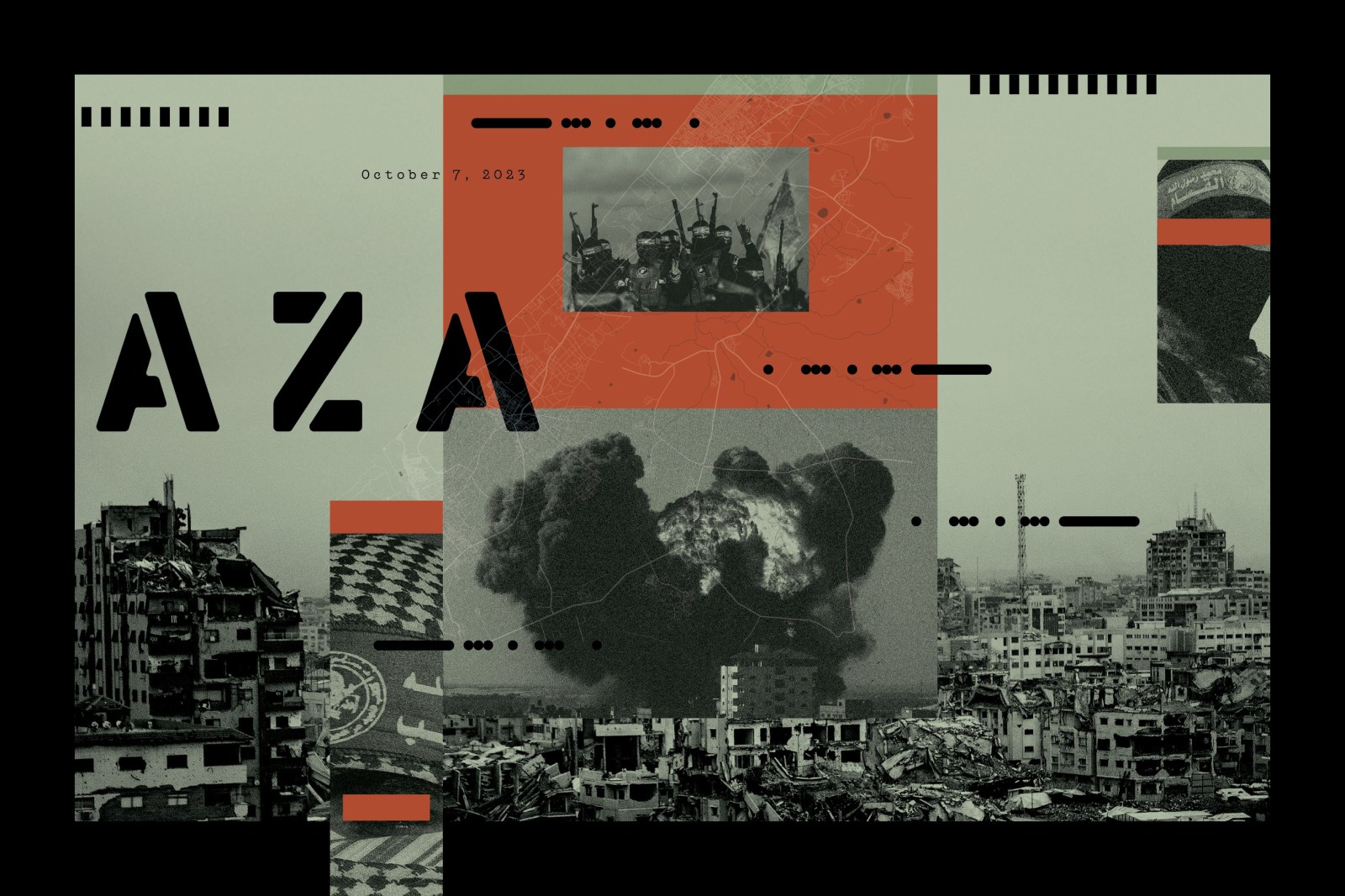
The final moments of Bernard Cowan’s life were recorded by a body camera worn by one of the gunmen who killed him. On the morning of October 7, 2023, Hamas militants advanced through Kibbutz Sufa, near the Gaza border. Cowan, a 57-year-old British-Israeli grandfather, left his family’s safe room due to claustrophobia. His wife, Margaret, stayed inside. A gunman spotted Cowan through a window, shooting him twice. The camera continued to record as the attackers moved through the area, shooting at homes and an ambulance’s tires. In another house, the camera captured the quiet sound of a phone ringing on a kitchen table.
Cowan was one of about 1,200 people killed on October 7 in Israel. The raw number reflects a profound impact for a nation the size of Israel. Comparing it to America’s 9/11, which killed 2,977 people, an equivalent scale attack on the U.S. would result in roughly 40,000 deaths. This illustrates the magnitude of national trauma inflicted by Hamas, leading to an Israeli response that was inevitable politically and psychologically.
Dov Waxman, an expert from UCLA on Israel and U.S.-Israel relations, notes that Hamas might have calculated the impact of Israel’s response to further its own aims. This echoes the strategy of Osama bin Laden on 9/11. By broadcasting their actions, Hamas sought to change the political environment despite being a weaker force.
In terms of military objectives, three years after the attack, Hamas saw its leadership decimated and military capacities severely damaged. The onslaught resulted in a humanitarian crisis in Gaza, leading to tens of thousands of lives lost and mass displacement. Politically, the Palestinian issue has re-entered international discourse, with Israel’s global reputation significantly tarnished.
Hamas’ Ambitions and Reality
Questions continue over what Hamas sought on October 7. Daniel Sobelman, a diplomacy professor at the Hebrew University of Jerusalem, suggests Hamas ambitiously aimed for Israel’s fall. Their documented objective was the annihilation of Israel and Palestine’s liberation. During the invasion, Hamas quickly reached out to allies, including Hezbollah, urging participation.
The fall of Israeli military positions early on reflected this ambition. However, despite substantial initial success, the wider regional uprising Hamas anticipated failed to materialize. Within a year, key Hamas figures were killed, and the expected widespread mobilization never occurred.
The war’s toll extended to Gaza’s civilians, with an estimated 75,000 Palestinians dead and nearly $30 billion in infrastructure damage reported. The humanitarian crisis continued, as evidenced by a building collapse in Gaza in 2026, killing over 20 people.
Hamas’ Miscalculations and Intentions
Gershon Baskin, a peace activist with insights into Hamas, notes that the organization underestimated the Israeli military’s response. Contrary to expectations of wider regional support, Hamas faced solitary consequences.
Baskin describes the surviving Hamas leadership as confused, with internal divisions around their future direction. Hamas initially aimed to take Israeli hostages and induce a larger prisoner exchange, reflecting leader Yahya Sinwar’s focus on freeing Palestinian prisoners.
Shibley Telhami, a professor at the University of Maryland, doubts Hamas believed it could eliminate Israel altogether. Instead, Telhami sees the attack as an effort to alter a stagnating political landscape with continued occupation and Arab-Israeli normalization progressing without Palestinian resolution.
The Shifting Global Landscape
Hamas achieved a shift in global opinion. By 2026, American views of Israel had turned more unfavorable, with a significant portion holding a negative perception. Global reputation indices likewise show a sharp decline in Israel’s standing internationally.
David Makovsky, from the Washington Institute for Near East Policy, however, warns against assuming a permanent downward trend in U.S.-Israel relations. The outcome may be seen as an anomaly linked to politically divisive Israeli leadership.
Conversely, Waxman highlights the influence of events in Gaza on young Americans, suggesting a lasting change in perception tied to social media exposure, which could affect future U.S. policies once these individuals rise to leadership.
Overall, Israel’s relationship with the U.S. youth differs considerably from the past. Once bipartisan, support for Israel now faces scrutiny, signaling a fundamental shift in American political dynamics. Both progressive and isolationist sentiments contribute to this re-evaluation of U.S. foreign policy priorities.
The question remains whether Israel can adapt to this changing landscape, preserving its strategic alliance with the U.S. amidst growing internal and external challenges.