Hanoi’s Transformation: Balancing Modernization with Heritage
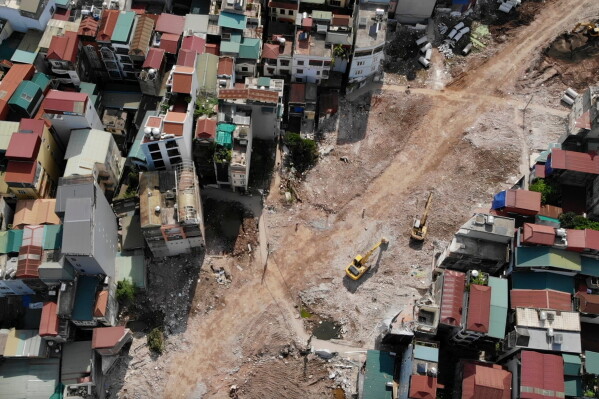
Rising Sounds of Construction
The bustling city of Hanoi is alive with the sounds of construction. You can hear the clamor of hydraulic breakers, the rumble of excavators, and the crunching of materials as buildings are dismantled. Vietnam is striving for rapid economic growth, and its capital, Hanoi, is focusing on an ambitious redevelopment vision for the coming century.
In the first half of 2026, the city allocated $2.4 billion to clear land for nearly 1,500 projects. This transformation is significant for one of the oldest continuously inhabited capitals in the world. Officials assert that the redevelopment includes essential flood controls and initiatives to reduce air pollution, addressing the challenges of extreme weather due to climate change. Vietnam frequently faces severe weather events, including typhoons, floods, and intense heat, making these measures crucial.
The Cost of Progress
Hanoi’s modernization isn’t without a price. Many residents face the loss of their homes, livelihoods, and familiar environments. Nguyen Thi Nhan, a fruit vendor whose home was demolished for road construction, now rents accommodation without receiving any compensation for her previous property.
Ambitious billboards around the city illustrate future skylines of modern steel and glass towers, broad boulevards, and scenic waterfronts. However, these plans involve demolishing colonial villas, traditional shophouses, and compact low-rise buildings. A standout project is the $28 billion redevelopment along the Red River, covering 11,400 hectares and incorporating new roads, parks, and critical flood defenses.
Another noteworthy initiative is a $35.2 billion Olympic sports area led by Vingroup, projected to include one of the world’s largest soccer stadiums. This stadium, designed in a drum shape, will accommodate 135,000 spectators. These modern infrastructures aim to attract foreign investment and create new opportunities for Hanoi’s residents.
Economic Opportunities and Challenges
Nguyen Khac Giang from the ISEAS–Yusof Ishak Institute highlights the economic possibilities arising from these projects. Nonetheless, he warns that this building surge may divert funds from the high-tech industries Vietnam wishes to cultivate. Rapidly rising property prices also risk creating bad loans if the market weakens.
Real estate represents approximately 3.5% of Vietnam’s GDP and about a quarter of bank lending. Yet the industry’s debt levels surpass those in other Southeast Asian countries, potentially leading to economic risks alongside opportunities.
Community Displacement and Concerns
As the city undergoes rapid transformation, residents are concerned about the loss of communities and memories tied to their familiar surroundings. The city’s crackdown on illegal parking and street vendors has disrupted traditional street life, impacting people like Thuy, a noodle soup vendor, struggling to maintain her livelihood.
In a rare public protest, the Bac Cau community near the Red River hung banners urging authorities to allow thousands of families to remain in their homes, emphasizing the community’s longstanding history in the area.
Compensation and Modernization Challenges
While Hanoi has set compensation rules for redevelopment projects, residents like those displaced have not always received the promised payments, leaving them uncertain about future accommodations and prospects.
Linh Nguyen of Control Risks notes that the challenge is not modernization itself, but its rapid pace and insufficient consultation with those affected. This redevelopment involves reshaping existing neighborhoods rather than expanding outward, demanding coordination across various government sectors.
For Hanoi, the challenge over the next two decades will be rebuilding within its existing framework, preserving history while managing extensive redevelopment goals.